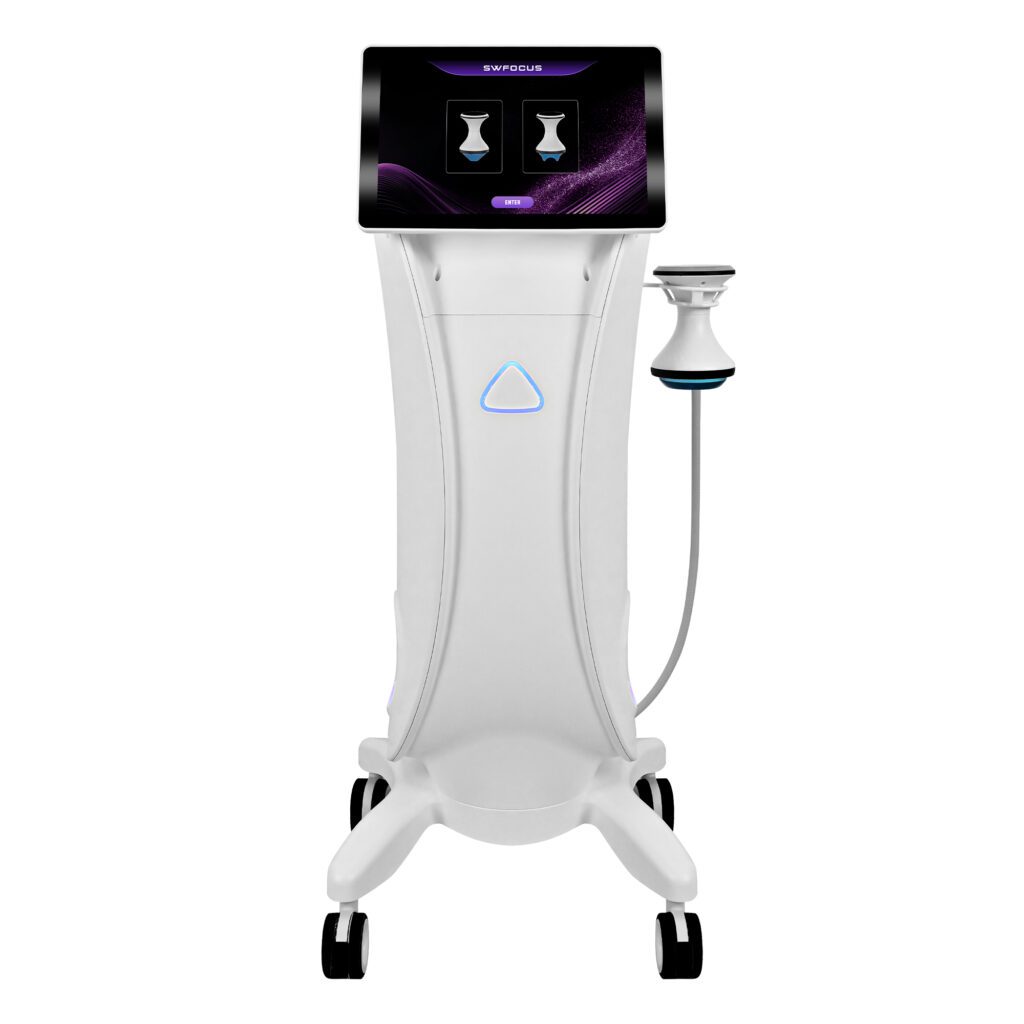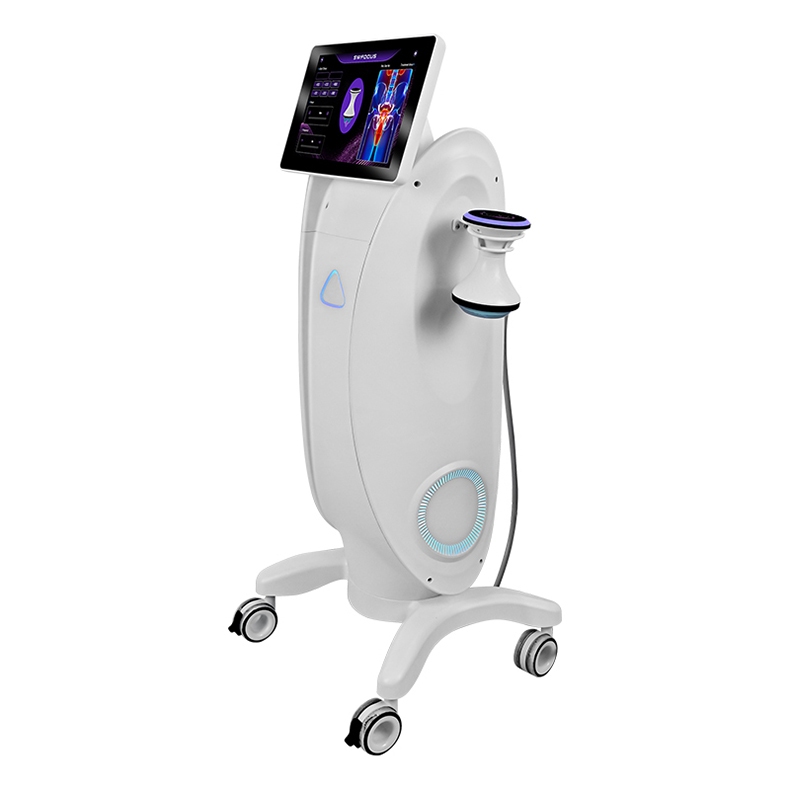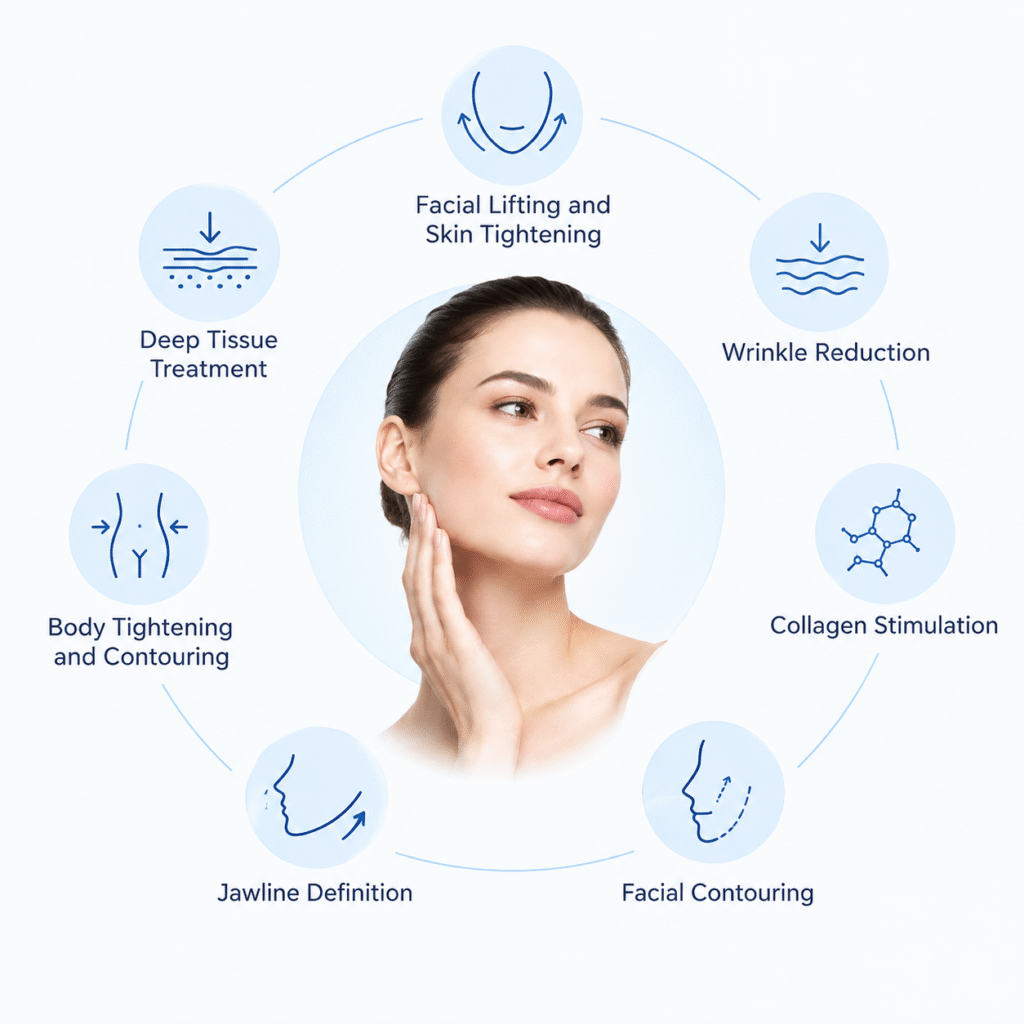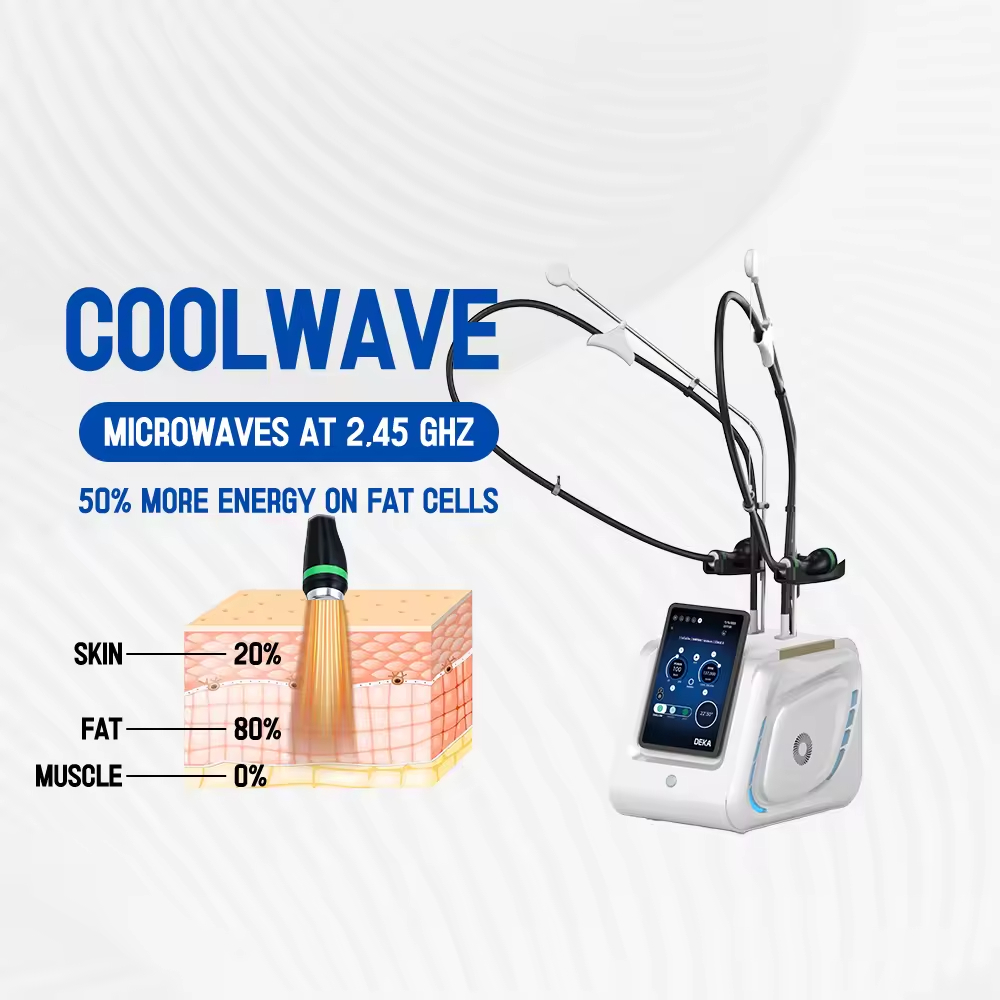










Da nicht-chirurgische ästhetische Behandlungen immer beliebter werden, stellen sich viele Menschen, die eine Hautstraffung, Gesichtsverjüngung oder Anti-Aging-Behandlungen in Erwägung ziehen, oft dieselbe Frage: Welche Behandlung ist am schmerzhaftesten? Zu den heute am häufigsten verfügbaren Technologien gehören, Hochintensiver fokussierter Ultraschall (HIFU), Radiofrequenztherapie (RF) und Mikroneedling bieten jeweils einzigartige Vorteile, unterscheiden sich aber auch deutlich hinsichtlich des Behandlungsempfindens und des Patientenkomforts. Kenntnisse über die mit den einzelnen Verfahren verbundenen Schmerzintensitäten helfen Patienten, die Option zu wählen, die ihren Zielen, ihrer Schmerztoleranz und ihren Erwartungen an die Genesung am besten entspricht.
1. Warum ästhetische Behandlungen Unbehagen verursachen.
1.1 Die Beziehung zwischen Energie und Empfindung
Die meisten nicht-invasiven und minimal-invasiven ästhetischen Behandlungen basieren auf einer kontrollierten Gewebestimulation. Ob durch Wärme, Ultraschall oder feine Nadeln – das Ziel ist es, die natürlichen Heilungs- und Kollagenproduktionsprozesse des Körpers anzuregen. Da diese Behandlungen tieferliegende Hautschichten erreichen, ist ein gewisses Maß an Unbehagen oft unvermeidbar.
1.2 Die Schmerzwahrnehmung variiert zwischen Individuen
Schmerzempfinden ist sehr subjektiv. Faktoren wie Hautempfindlichkeit, Behandlungsbereich, Angstniveau und individuelle Schmerzschwelle können das Empfinden bei einer Behandlung erheblich beeinflussen. Daher können zwei Personen, die dieselbe Behandlung erhalten, sehr unterschiedliche Erfahrungen berichten.
2. HIFU: Oft als die intensivste Methode angesehen
2.1 Wie HIFU funktioniert
HIFU nutzt fokussierte Ultraschallenergie, um tiefer liegende Gewebeschichten unter der Haut gezielt zu behandeln. Die Energie erzeugt präzise thermische Koagulationspunkte in Tiefen, die bis zum oberflächlichen muskulären Aponeurosensystem (SMAS) reichen – derselben Schicht, die auch bei chirurgischen Facelifts behandelt wird. Diese tiefe Penetration ist einer der Gründe, warum HIFU so wirksam bei der Hautstraffung und -lifting ist.
2.2 Wie sich die Behandlung anfühlt
Viele Patienten beschreiben die Empfindungen nach der HIFU-Behandlung wie folgt:
- Stechendes Kribbeln
- Tiefstes Stechen
- Kurze, stromschlagartige Impulse
- Plötzliche Hitzegefühle
Da die Ultraschallenergie tieferliegende Strukturen erreicht, kann die Behandlung als unangenehmer empfunden werden als oberflächliche Behandlungen. Bereiche mit dünnerer Haut oder weniger Fettgewebe, wie beispielsweise die Kieferpartie, die Stirn und die Wangenknochen, werden häufig als empfindlicher empfunden.
2.3 Gesamtschmerzniveau
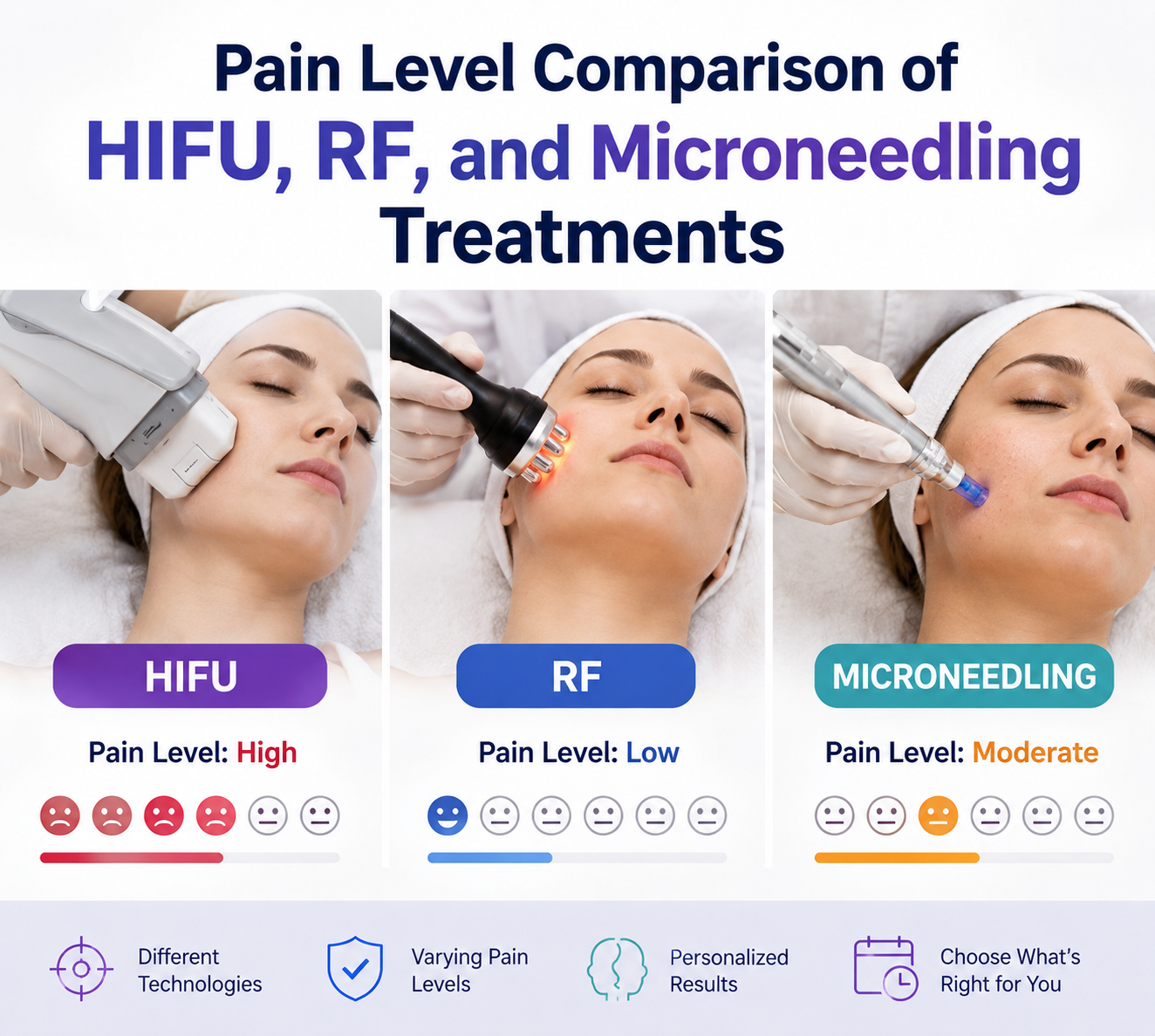
Auf einer typischen Schmerzskala von 1 bis 10 wird HIFU häufig mit folgenden Werten bewertet: 6 und 8, Die Schmerzen hängen von der Behandlungsintensität und der individuellen Verträglichkeit ab. Obwohl die Beschwerden in der Regel nur vorübergehend sind, empfinden viele Patienten HIFU als die schmerzhafteste der drei Behandlungsformen.

3. Radiofrequenzbehandlungen: Im Allgemeinen am angenehmsten
3.1 Funktionsweise der HF-Technologie
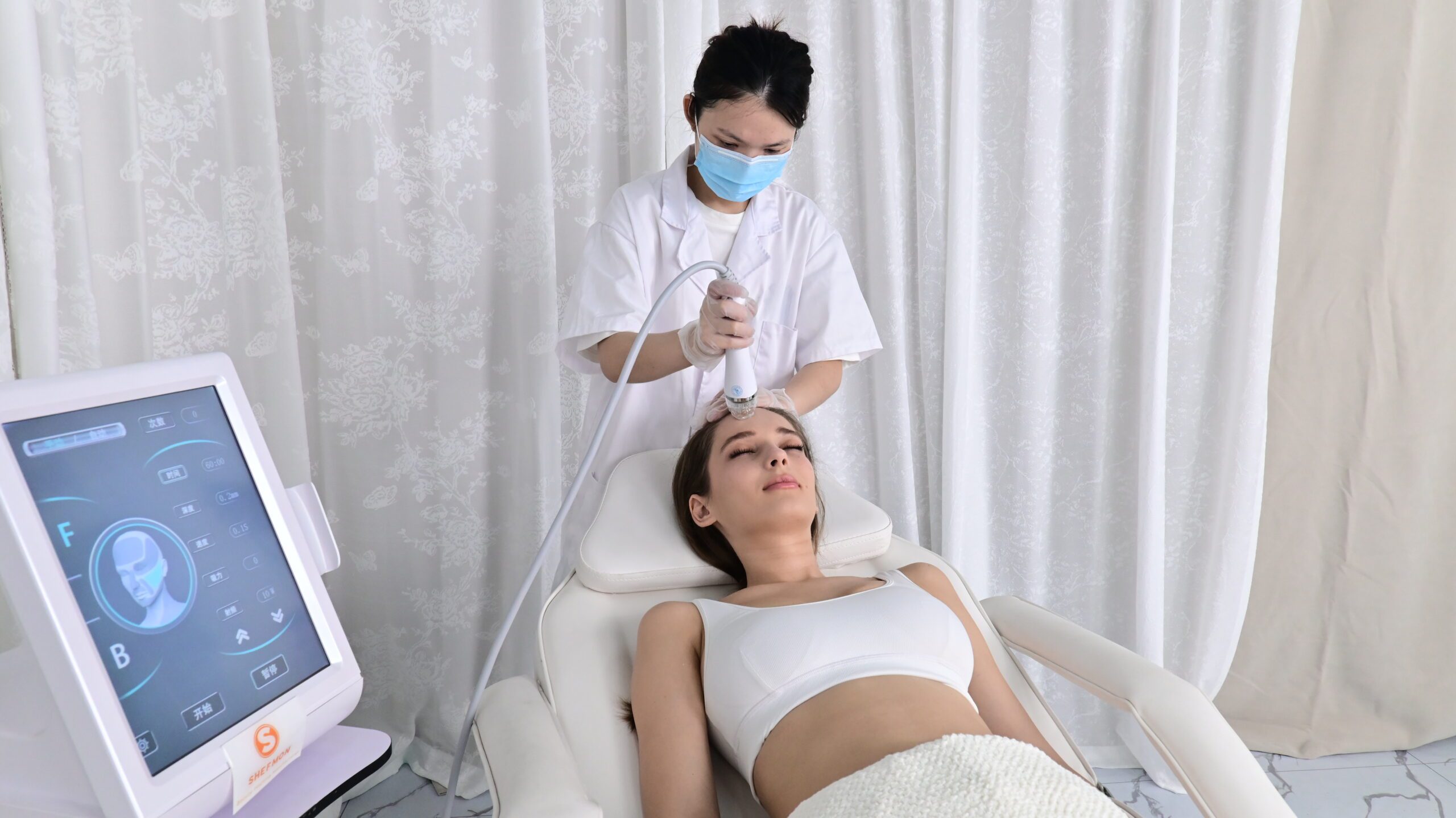
Radiofrequenzbehandlungen Es nutzt elektromagnetische Energie, um kontrollierte Wärme in der Dermis und im Unterhautgewebe zu erzeugen. Dieser Erwärmungsprozess regt die Kollagenneubildung an, verbessert die Hautelastizität und kann – je nach verwendetem Gerät – die Körperkonturierung unterstützen.
3.2 Typische Behandlungsempfindungen
Im Gegensatz zu HIFU wird die Radiofrequenzenergie allmählicher und gleichmäßiger abgegeben. Patienten beschreiben das Empfinden üblicherweise wie folgt:
- Wärme
- Sanfte Erwärmung
- Leichter Druck
- Wohlfühlmoment wie bei einer Hot-Stone-Massage
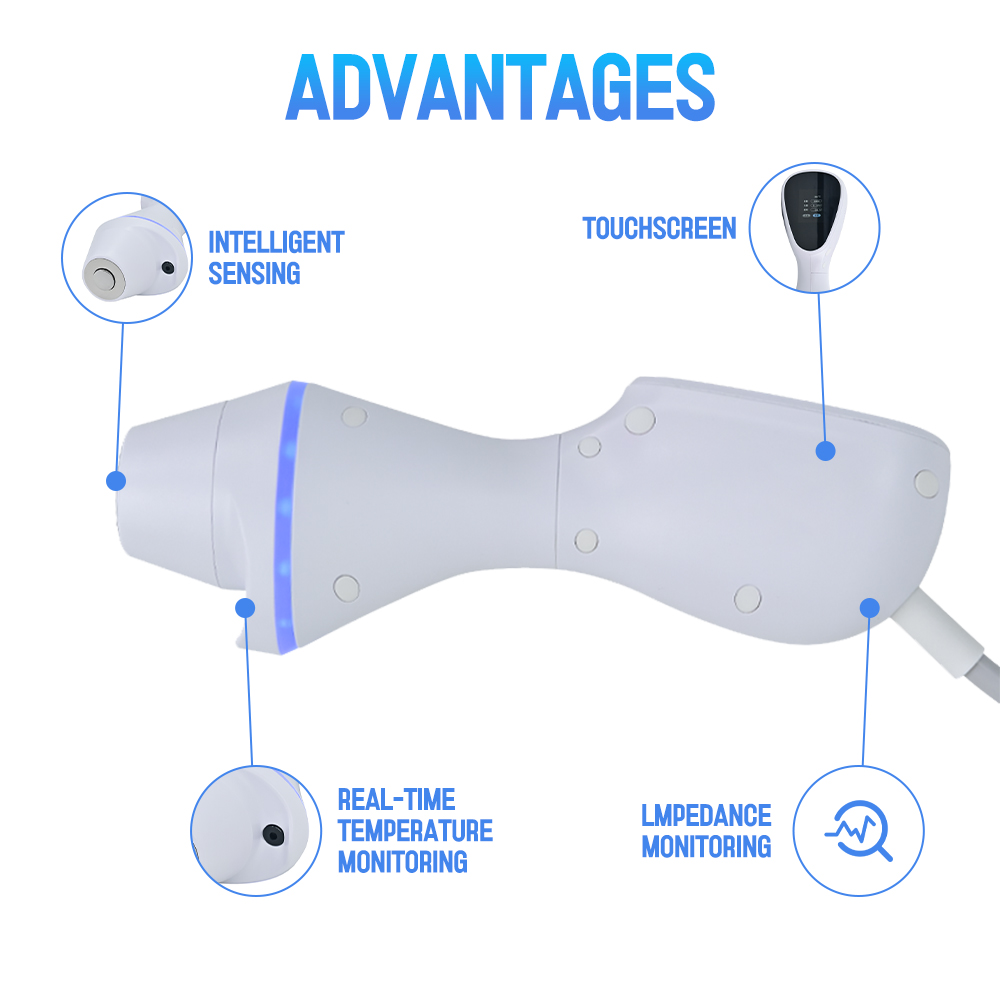
Moderne HF-Geräte verfügen häufig über Kühlsysteme und Temperaturüberwachungsfunktionen, die den Komfort während der Behandlung weiter verbessern.
3.3 Gesamtschmerzniveau
Radiofrequenzbehandlungen gelten im Allgemeinen als die schmerzärmste Option; die meisten Patienten geben einen Schmerzgrad zwischen 2 und 4 auf einer 10-Punkte-Skala. Für viele Menschen sind RF-Sitzungen so entspannend, dass eine Anästhesie nicht erforderlich ist.
4. Mikroneedling: Mäßige Schmerzen bei Oberflächenempfindlichkeit
4.1 Wie funktioniert Mikroneedling?
Beim Microneedling werden mit feinen, sterilen Nadeln Tausende kontrollierte Mikroverletzungen in der Haut erzeugt. Diese mikroskopisch kleinen Kanäle regen die Wundheilung an und führen so zu einer erhöhten Kollagen- und Elastinproduktion. Die Behandlung wird häufig bei Aknenarben, feinen Linien, vergrößerten Poren und zur allgemeinen Hautverjüngung eingesetzt.
4.2 Wie sich die Behandlung anfühlt
Das Empfinden beim Mikroneedling hängt maßgeblich von der Nadeltiefe und dem Behandlungsbereich ab. Patienten berichten häufig:
- Kratzgefühl
- Leichtes Stechen
- Hautstraffheit
- Vorübergehendes Brennen nach der Behandlung
Bei den meisten professionellen Mikroneedling-Behandlungen wird eine betäubende Creme aufgetragen, wodurch die Beschwerden während der Behandlung deutlich reduziert werden.
4.3 Gesamtschmerzniveau
Bei lokaler Betäubung wird die Mikronadelung typischerweise mit folgenden Werten bewertet: 3 und 6 auf einer Schmerzskala. Ohne Betäubungscreme können sich tiefergehende Behandlungen deutlich unangenehmer anfühlen, insbesondere in empfindlichen Gesichtspartien.
5. Vergleich der Schmerzintensität in den verschiedenen Behandlungsbereichen
5.1 Gesicht und Kieferpartie
Das Gesicht enthält zahlreiche Nervenenden und zählt daher zu den empfindlichsten Behandlungsregionen. HIFU-Behandlungen an Kieferpartie und Wangenknochen verursachen aufgrund der Energieabgabe in der Nähe von Knochenstrukturen oft die stärksten Beschwerden. Auch Microneedling kann sich im Bereich von Nase und Oberlippe intensiver anfühlen, während Radiofrequenzbehandlungen im Allgemeinen während der gesamten Gesichtsbehandlung angenehm bleiben.
5.2 Hals und Dekolleté
Die Haut am Hals ist dünner und das Gewebe weniger polstert. HIFU kann in diesem Bereich ein spürbares Stechen hervorrufen, während Radiofrequenzbehandlungen in der Regel nur ein leichtes Wärmegefühl erzeugen. Die Beschwerden beim Mikroneedling sind mäßig und hängen maßgeblich von der Nadeltiefe ab.
5.3 Körperbehandlungen
Bei größeren Körperregionen wie Bauch, Oberschenkeln und Armen ist der Schmerzpegel aufgrund der dickeren Gewebeschicht tendenziell niedriger. Viele Patienten empfinden die Radiofrequenz-Körperkonturierung als besonders angenehm, während HIFU-Behandlungen weiterhin gelegentlich tiefe Empfindungen hervorrufen können.
6. Faktoren, die den Behandlungskomfort beeinflussen
6.1 Gerätetechnologie
Moderne Geräte verfügen häufig über Funktionen, die den Patientenkomfort verbessern, wie zum Beispiel:
- Integrierte Kühlsysteme
- Temperaturüberwachung in Echtzeit
- Einstellbare Energieeinstellungen
- Schnellere Behandlungsdurchführung
Fortschrittliche Technologien können das Schmerzempfinden deutlich reduzieren, ohne die Wirksamkeit zu beeinträchtigen.
6.2 Erfahrung des Praktikers
Ein erfahrener Behandler weiß, wie er die Behandlungsparameter an Hauttyp, Behandlungsziele und Schmerztoleranz anpasst. Die richtige Technik trägt oft spürbar zum Wohlbefinden des Patienten bei.
6.3 Individuelle Empfindlichkeit
Faktoren wie Flüssigkeitszufuhr, Stressniveau, Hormonschwankungen und frühere Behandlungserfahrungen können die Schmerzwahrnehmung beeinflussen. Patienten mit einer niedrigeren Schmerzschwelle profitieren möglicherweise von betäubenden Cremes oder einer geringeren Anfangsenergieeinstellung.
7. Welche Behandlung ist die richtige für Sie?
7.1 Für alle, die Wert auf Komfort legen.
Radiofrequenzbehandlungen sind im Allgemeinen die beste Wahl für Personen, die eine effektive Hautstraffung mit minimalen Beschwerden und ohne Ausfallzeiten wünschen.
7.2 Für alle, die maximale Hebeergebnisse anstreben
HIFU kann zwar eine tiefere Gewebestraffung und Konturierung bewirken, Patienten sollten sich jedoch auf ein höheres Maß an vorübergehenden Beschwerden während der Behandlung einstellen.
7.3 Zur Verbesserung der Hautstruktur
Mikroneedling bietet ein optimales Verhältnis zwischen Ergebnis und Komfort, insbesondere bei Verwendung von Lokalanästhetika. Es ist nach wie vor eine beliebte Methode zur Behandlung von Narben, vergrößerten Poren und zur Verbesserung des allgemeinen Hautbildes.
Abschluss
Beim Vergleich der Schmerzintensität zwischen HIFU, RF und Mikroneedling-Behandlungen, Radiofrequenztherapie (RF) gilt allgemein als die angenehmste Behandlungsmethode, Mikroneedling liegt im mittleren Bereich, und HIFU wird aufgrund seiner Fähigkeit, tief in das Gewebe einzudringen, oft als die intensivste empfunden. Schmerzen sind jedoch nur ein Faktor bei der Wahl einer Behandlung. Gewünschte Ergebnisse, Hautprobleme, Erholungszeit und die individuelle Schmerztoleranz sollten ebenfalls berücksichtigt werden. Indem Patienten die mit den einzelnen Verfahren verbundenen Empfindungen verstehen, können sie fundiertere Entscheidungen treffen und ihre Behandlungen mit realistischen Erwartungen und mehr Zuversicht angehen.