Was ist IPL-Haarentfernung?
So funktioniert die IPL-Technologie
Falls Sie sich jemals gefragt haben, warum IPL-Haarentfernung IPL ist in der Schönheitsbranche zu einem echten Trend geworden, und Sie sind nicht allein. IPL, oder Intense Pulsed Light, ist eine dieser Technologien, die futuristisch klingt, aber eigentlich ganz einfach ist. Anstatt wie ein Laser einen einzelnen fokussierten Strahl zu verwenden, emittiert IPL ein breites Spektrum an Lichtwellenlängen – typischerweise im Bereich von etwa 400 bis 1400 Nanometern.
Wenn dieses Licht auf Ihre Haut trifft, zielt es auf das Melanin, das Pigment in Ihren Haarfollikeln. Die Energie wird absorbiert und in Wärme umgewandelt, wodurch der Follikel so stark geschädigt wird, dass das zukünftige Haarwachstum verlangsamt oder gestoppt wird. Stellen Sie sich das wie das Ausschalten des “Wachstumsschalters” Ihrer Haare vor – allerdings nicht dauerhaft und mit einem Schlag. Haare wachsen in Zyklen, und IPL kann die Follikel nur während der aktiven Wachstumsphase (Anagenphase) beeinflussen. Deshalb sind immer mehrere Sitzungen erforderlich.
Die Vielseitigkeit von IPL macht es so attraktiv. Es wird nicht nur zur Haarentfernung, sondern auch zur Hautverjüngung, Pigmentkorrektur und sogar zur Behandlung von Gefäßerkrankungen eingesetzt. Da das Licht jedoch gestreut und nicht gebündelt wird, ist es weniger präzise als die Lasertechnologie. Diesen wichtigen Punkt übersehen viele beim Vergleich der Ergebnisse.
Die Wissenschaft hinter der lichtbasierten Haarreduktion
Das Grundprinzip der IPL ist etwas, das man selektive PhotothermolyseIPL ist ein Fachbegriff, der einfach bedeutet, dass mit Licht gezielt Gewebe erhitzt und zerstört wird. In diesem Fall ist das “Ziel” der Haarfollikel. Die Herausforderung besteht jedoch darin, dass IPL die Energie über eine größere Fläche verteilt, wodurch ein Teil der Energie von der umliegenden Haut absorbiert wird, anstatt direkt in den Follikel zu gelangen.
Hier wird es interessant. Da IPL weniger konzentriert arbeitet, sind mehr Sitzungen nötig und die Behandlung ist bei dickerem oder kräftigerem Haar möglicherweise nicht so effektiv. Im Durchschnitt befinden sich nur etwa 15–201 TTP3T Ihrer Haare zu jedem Zeitpunkt in der aktiven Wachstumsphase. Deshalb sind Geduld und Kontinuität für sichtbare Ergebnisse unerlässlich.
IPL funktioniert zwar, ist aber keine Zauberei. Es ist eher ein allmählicher Prozess, bei dem das Haar mit der Zeit geschwächt wird, anstatt es komplett zu entfernen.
IPL-Haarentfernung vs. Laser-Haarentfernung: Was ist der wirkliche Unterschied?
Wesentliche technologische Unterschiede
Lassen Sie uns eines der größten Missverständnisse in der Branche ausräumen: IPL ist kein Laser.. Dieser Unterschied ist wichtiger, als die meisten Marketingmaterialien zugeben. IPL nutzt ein breites, gestreutes Lichtspektrum, während Lasergeräte eine einzelne, fokussierte Wellenlänge aussenden, die tiefer in die Haarfollikel eindringt und diese präziser behandelt.
Stellen Sie sich vor, Sie versuchen, eine Pflanze zu gießen. IPL ist wie eine Sprühflasche – Sie besprühen eine große Fläche, aber das Wasser ist nicht sehr konzentriert. Ein Laser hingegen ist wie ein Gartenschlauch mit einem fokussierten Wasserstrahl – er trifft genau dort, wo er gebraucht wird, und hat dabei deutlich mehr Kraft.
Dieser Unterschied wirkt sich direkt auf die Leistung aus. Lasersysteme, insbesondere Diodenlaser, sind so konstruiert, dass sie das oberflächliche Melanin umgehen und die Energie tiefer in den Haarfollikel abgeben. Das bedeutet schnellere Ergebnisse, weniger Behandlungen und eine höhere Konsistenz bei verschiedenen Hauttypen.
Welche Methode liefert bessere Ergebnisse?
Klinische Daten liefern ein eindeutiges Bild. Studien zeigen, dass IPL den Haarwuchs um etwa 53% nach einem Jahr, Während Diodenlaser etwa 69%-Reduzierung unter ähnlichen Bedingungen.
Das ist kein kleiner Unterschied – es ist der Unterschied zwischen einer spürbaren Verbesserung und nahezu dauerhafter Glätte. IPL gilt gemeinhin als “pflegeintensiv” und erfordert oft regelmäßige Nachbehandlungen. 10–12 Sitzungen oder mehr, Während Diodenlaserbehandlungen typischerweise Ergebnisse erzielen in 6–8 Sitzungen.
Aus diesem Grund bevorzugen professionelle Kliniken zunehmend Lasersysteme gegenüber IPL. Es geht nicht nur um bessere Ergebnisse, sondern auch um Effizienz, Kundenzufriedenheit und langfristigen Nutzen.
Wie effektiv ist die IPL-Haarentfernung im Jahr 2026?
Reale klinische Daten und Statistiken
Die Schönheitsbranche hat sich rasant weiterentwickelt, doch IPL hat nach wie vor einen bedeutenden Marktanteil – insbesondere bei Geräten für den Heimgebrauch und in kleineren Kliniken. Dennoch sollte man realistische Erwartungen haben. IPL ist zwar wirksam, aber nicht bei jedem gleich gut.
Daten aus aktuellen Studien zeigen, dass IPL-Behandlungen Folgendes erreichen können 42% Haarreduktion innerhalb von drei Monaten und in der Umgebung 53% nach einem Jahr bei konsequenter Durchführung.
Vergleichen Sie das mit dem breiteren Markt für Laserhaarentfernung, der sich mittlerweile durch Folgendes auszeichnet: über 90% Patientenzufriedenheitsraten global.
Was bedeutet das also für Sie? IPL funktioniert – ist aber eher ein Instrument zur schrittweisen Verbesserung als eine endgültige Lösung.
Faktoren, die die IPL-Ergebnisse beeinflussen
Mehrere Faktoren beeinflussen die Wirksamkeit der IPL-Behandlung, und genau hier scheitern viele Anwender. Hautton und Haarfarbe sind die wichtigsten Faktoren. IPL erzielt die besten Ergebnisse bei helle Haut mit dunklen Haaren weil der Kontrast es dem Licht ermöglicht, das Melanin effektiv zu erreichen.
Weitere Faktoren sind:
- Konstanz der Behandlungen
- Gerätequalität und Energieausbeute
- Hormonelle Einflüsse
- Haardicke und -tiefe
Wenn auch nur eine dieser Variablen nicht stimmt, können die Ergebnisse erheblich variieren. Deshalb schwören manche auf IPL, während andere enttäuscht sind – es ist eben nicht für jeden geeignet.
Vorteile der IPL-Haarentfernung
Komfort und Zugänglichkeit
Einer der größten Vorteile von IPL ist die Verfügbarkeit. IPL-Geräte sind fast überall erhältlich – von professionellen Kliniken bis hin zu Geräten für den Heimgebrauch. Diese einfache Handhabung macht IPL zu einer attraktiven Option für Einsteiger, die die langfristige Haarreduktion erst einmal ausprobieren möchten, ohne sich gleich einer Klinikbehandlung zu unterziehen.
Für viele Anwender ist die Möglichkeit, Behandlungen zu Hause – ganz nach eigenem Zeitplan – durchzuführen, ein entscheidender Vorteil. Termine, Anfahrt und Ausfallzeiten entfallen. Es ist, als hätte man eine kleine Schönheitsklinik im eigenen Badezimmer.
Kostenvorteile
Sprechen wir über die Kosten, denn sie sind oft ausschlaggebend. IPL-Geräte, insbesondere für den Heimgebrauch, sind in der Anschaffung deutlich günstiger als professionelle Laserbehandlungen. Während Behandlungen in einer Klinik mehrere Hundert Euro pro Sitzung kosten können, ist ein IPL-Gerät für zu Hause in der Regel eine einmalige Anschaffung.
Aber hier liegt der Haken: Geringere Kosten bedeuten oft geringere Leistung. Und geringere Leistung bedeutet langsamere und weniger effektive Ergebnisse. IPL mag zwar zunächst günstiger erscheinen, doch der langfristige Nutzen ist nicht immer so hoch – insbesondere, wenn eine kontinuierliche Wartung erforderlich ist.
Grenzen der IPL-Technologie
Einschränkungen hinsichtlich Hautton und Haartyp
IPL hat bei dunkleren Hauttönen Schwierigkeiten, da es nicht ohne Weiteres zwischen Melanin in der Haut und Melanin im Haar unterscheiden kann. Dadurch erhöht sich das Risiko von Nebenwirkungen wie Verbrennungen oder Pigmentveränderungen.
Bei hellen Haarfarben wie blondem, grauem oder rotem Haar ist es ebenfalls weniger wirksam, da nicht genügend Pigmente vorhanden sind, um die Lichtenergie zu absorbieren.
Warum mehrere Sitzungen erforderlich sind
Der Haarwachstumszyklus ist der Hauptgrund, warum IPL-Behandlungen wiederholte Sitzungen erfordern. Da nur ein Bruchteil der Haarfollikel zu einem bestimmten Zeitpunkt aktiv ist, wird bei jeder Behandlung nur ein kleiner Prozentsatz der Haare behandelt. Versäumte oder unregelmäßige Sitzungen können die Wirksamkeit deutlich verringern.
Wir stellen Ihnen die professionelle Diodenlaser-Haarentfernung vor.
Was macht Diodenlaser überlegen?
Wenn die IPL die einsteigerfreundliche Option ist, Diodenlasertechnologie ist das professionelle Kraftpaket. Es nutzt eine spezifische Wellenlänge – üblicherweise um die 810 nm –, die tiefer in die Haut eindringt und den Haarfollikel präzise anvisiert.
Dies führt zu Folgendem:
- Schnellere Behandlungen
- Weniger Sitzungen
- Bessere Ergebnisse bei einer größeren Bandbreite an Hauttypen
Im Gegensatz zu IPL können Diodenlaser effektiv behandeln Fitzpatrick-Hauttypen I–V, wodurch sie weitaus vielseitiger einsetzbar sind.
Mehrwellenlängentechnologie erklärt
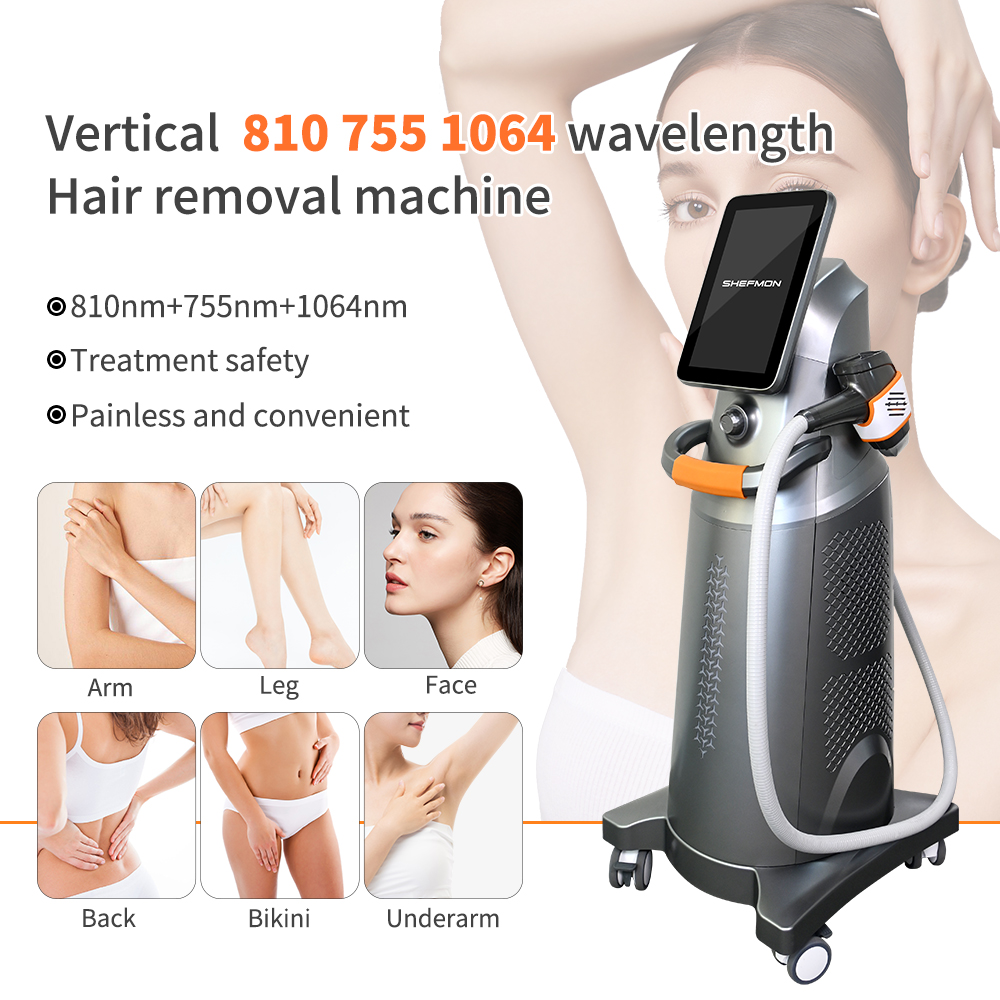
Moderne Geräte gehen sogar noch einen Schritt weiter, indem sie mehrere Wellenlängen kombinieren – typischerweise 755 nm, 810 nm und 1064 nmUm gleichzeitig unterschiedliche Haartiefen und Hauttypen zu behandeln, ist dieser Ansatz mit mehreren Wellenlängen bahnbrechend und ermöglicht es Behandlern, die Behandlungen individuell auf jeden Kunden abzustimmen.
SHEFMON Professionelles Haarentfernungsgerät – Übersicht
Produktmerkmale und Technologie
Wenn Sie es ernst meinen mit dem Aufstieg von der IPL zu professionellen Ergebnissen, SHEFMON Diodenlasersystem ist einen genaueren Blick wert:
👉 https://shefmon.com/product/a0426-755-1064-810-940nm-diode-laser-hair-removal-beauty-machine/
Dieses hochentwickelte Gerät integriert vier Wellenlängen (755 nm, 810 nm, 940 nm, 1064 nm), Dadurch eignet es sich für nahezu alle Haut- und Haartypen. Es kombiniert eine hohe Energieausbeute mit fortschrittlichen Kühlsystemen, um sowohl Wirksamkeit als auch Sicherheit zu gewährleisten.
Zu den wichtigsten Highlights gehören:
- Präzisionszielerfassung über mehrere Wellenlängen
- Hohe Energie für eine schnellere Follikelzerstörung
- Fortschrittliche Kühlung für schmerzfreie Behandlungen
- Geeignet für Ganzkörperanwendungen
Ideale Anwendungsbereiche für Kliniken und Spas
Für Kliniken und Kosmetikstudios ist diese Art von Ausrüstung nicht nur ein Werkzeug, sondern eine Investition. Der globale Markt für Haarentfernung wächst rasant (prognostizierte durchschnittliche jährliche Wachstumsrate von …). 14.1%Die Umstellung auf professionelle Lasersysteme kann den Umsatz und die Kundenzufriedenheit deutlich steigern.
IPL vs. SHEFMON-Diodenlaser: Eine Vergleichstabelle
| Besonderheit | IPL-Haarentfernung | SHEFMON Diodenlaser |
|---|---|---|
| Technologie | Breitbandlicht | Fokussierter Mehrwellenlängenlaser |
| Präzision | Niedrig | Hoch |
| Erforderliche Sitzungen | 10–12+ | 6–8 |
| Wirksamkeit | Mäßig | Hoch |
| Hautverträglichkeit | Beschränkt | Breites (I–V+) |
| Ergebnisse Dauer | Vorübergehende Reduzierung | Langfristige Reduzierung |
| Geschäftlicher ROI | Untere | Höher |
Sicherheit und Nebenwirkungen der IPL-Haarentfernung
Häufige Nebenwirkungen
IPL ist bei korrekter Anwendung im Allgemeinen sicher, es können jedoch Nebenwirkungen auftreten. Zu den häufigsten gehören:
- Rötung und leichte Schwellung
- Vorübergehende Pigmentierungsänderungen
- Seltene Verbrennungen oder Blasen
Diese Effekte sind in der Regel mild und von kurzer Dauer, insbesondere wenn die Behandlungen von geschulten Fachkräften durchgeführt werden.
Wie man Risiken minimiert
Sicherheit hängt von drei Dingen ab: der richtigen Geräteauswahl, den korrekten Einstellungen und der fachgerechten Bedienung. Die Verwendung professioneller Geräte reduziert die Risiken im Vergleich zu minderwertigen Heimgeräten deutlich.
Geschäftsmöglichkeiten in der Haarentfernungsbranche
Marktwachstum und Trends
Die Haarentfernungsbranche boomt: Jährlich werden Millionen von Behandlungen durchgeführt, und der Marktwert wird voraussichtlich über [Betrag einfügen] liegen. $3,4 Milliarden bis 2030.
Die Verbraucher suchen zunehmend nach langfristigen Lösungen anstatt nach vorübergehenden Maßnahmen wie Rasieren oder Wachsen.
Warum Kliniken auf Laser umsteigen
Kliniken verabschieden sich von IPL, da Kunden schnellere und zuverlässigere Ergebnisse fordern. Lasersysteme bieten genau das – und noch mehr. Sie verbessern die Kundenbindung, ermöglichen höhere Behandlungspreise und stärken den Markenruf.
Abschluss
Die IPL-Haarentfernung ebnete den Weg für die lichtbasierte Haarreduktion und machte sie zugänglich und weit verbreitet. Doch im Jahr 2026 ist der Unterschied zwischen IPL und professioneller Lasertechnologie nicht mehr zu übersehen. IPL bleibt zwar eine komfortable Einstiegsoption, kann aber in puncto Präzision, Effizienz und Langzeitergebnisse moderner Diodenlasersysteme einfach nicht mithalten.
Für Privatpersonen bedeutet dies bessere Ergebnisse mit weniger Sitzungen. Für Unternehmen bedeutet es einen höheren ROI und zufriedenere Kunden. Die Zukunft der Haarentfernung geht eindeutig in Richtung fortschrittlicher Laserlösungen – und Geräte wie das SHEFMON-System sind Vorreiter auf diesem Gebiet.
FAQs
1. Ist die IPL-Haarentfernung dauerhaft?
Nein, IPL sorgt zwar für eine langfristige Haarreduktion, aber nicht für eine dauerhafte Haarentfernung. Regelmäßige Auffrischungsbehandlungen sind daher notwendig.
2. Wie viele IPL-Sitzungen sind nötig?
Die meisten Menschen benötigen 10–12 Sitzungen oder mehr, um signifikante Ergebnisse zu erzielen.
3. Ist Diodenlaser besser als IPL?
Ja, Diodenlaser sind präziser, effektiver und für ein breiteres Spektrum an Hauttypen geeignet.
4. Ist IPL für alle Hauttöne geeignet?
Nein, IPL wirkt am besten bei heller Haut und dunklem Haar und ist möglicherweise nicht sicher für dunklere Hauttöne.
5. Lohnt sich eine professionelle Laserhaarentfernung?
Absolut. Es bietet schnellere Ergebnisse, weniger Sitzungen und eine höhere Zufriedenheitsrate im Vergleich zu IPL.