









Was ist Stoßwellenphysiotherapie?
Definition und medizinischer Hintergrund
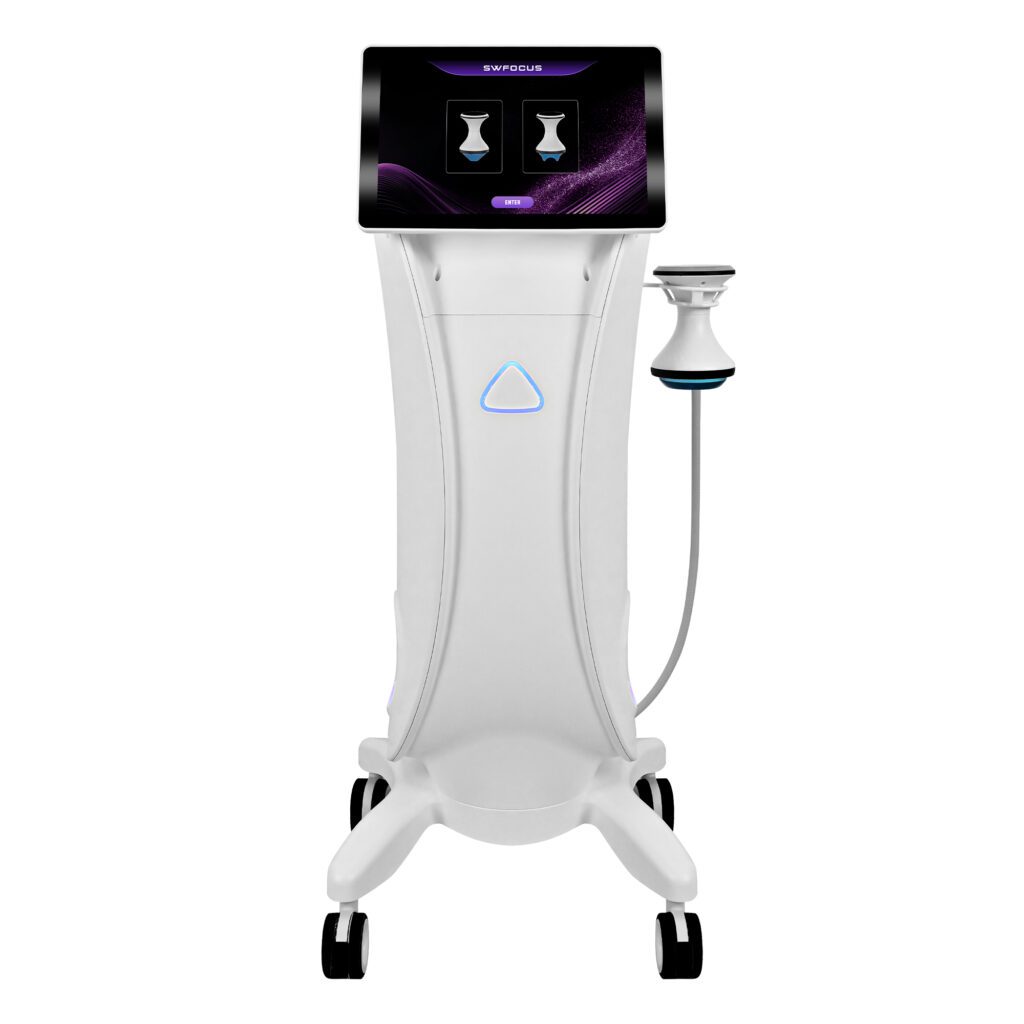
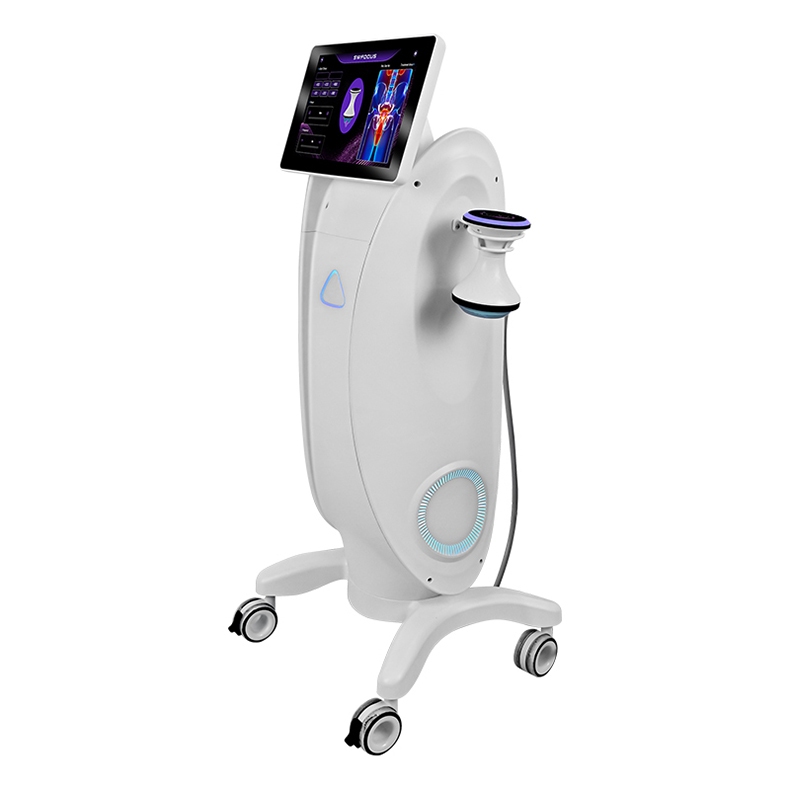
Stoßwellentherapie, auch bekannt als Extrakorporale Stoßwellentherapie (ESWT)Es handelt sich um eine moderne, nicht-invasive Behandlungsmethode, die hochenergetische Schallwellen nutzt, um die Heilung von verletztem oder schmerzhaftem Gewebe anzuregen. Ursprünglich in den frühen 1980er-Jahren zur Zertrümmerung von Nierensteinen eingeführt, hat sich diese Technologie seither zu einem wirkungsvollen Instrument in der Orthopädie und Rehabilitationsmedizin entwickelt.
Heute wird die ESWT in Kliniken, Sportrehabilitationszentren und Physiotherapiepraxen häufig eingesetzt, da sie eine einzigartige Kombination aus Schmerzlinderung, Geweberegeneration und verbesserte Beweglichkeit—ohne die Notwendigkeit einer Operation oder von Medikamenten.
Die Stoßwellentherapie zeichnet sich durch ihre Fähigkeit aus, tiefer liegende Gewebeschichten zu erreichen, die mit herkömmlichen Therapien oft nicht zugänglich sind. Man kann es sich wie kontrollierte „Mikroerdbeben“ vorstellen, die in geschädigtes Gewebe gesendet werden – diese Wellen regen Reparaturprozesse auf Zellebene an, was mit Massage oder Ultraschall nicht zu erreichen ist.
Entwicklung der ESWT-Technologie
Die Stoßwellentherapie hat in den letzten Jahrzehnten einen rasanten technologischen Fortschritt erlebt. War sie anfangs auf sperrige, in Krankenhäusern eingesetzte Geräte beschränkt, sind moderne Systeme heute kompakt, präzise und für verschiedene klinische Anwendungen individuell anpassbar.
Die Forschung hat den Einsatzbereich über die Urologie hinaus auf Bereiche wie die folgenden erweitert:
- Sehnenverletzungen
- Chronische Schmerzzustände
- Sportrehabilitation
- Orthopädische Erkrankungen
Diese Entwicklung hat die ESWT zu einer der weltweit gefragteste Physiotherapie-Technologieninsbesondere da Patienten zunehmend nach nicht-invasiven Alternativen zur Operation suchen.
Wie die Stoßwellentherapie funktioniert
Wissenschaftliche Prinzipien hinter Stoßwellen
Stoßwellen sind hochenergetische Schallwellen, die sich durch einen raschen Druckanstieg gefolgt von einer negativen Phase auszeichnen. Diese Wellen breiten sich durch Gewebe aus und übertragen mechanische Energie direkt auf die Zielbereiche.
Im Gegensatz zu herkömmlichem Ultraschall haben Stoßwellen bis zu 1000-fach höherer SpitzendruckDadurch sind sie weitaus effektiver bei der Anregung der Reparatur tieferliegender Gewebeschichten.
Wenn diese Wellen auf das betroffene Gebiet treffen, erzeugen sie Folgendes:
- Mechanische Beanspruchung
- Mikrotrauma (kontrolliert und vorteilhaft)
- Kavitation (Bildung und Zusammenfallen von Blasen)
Dieser Prozess löst die natürlichen Heilungsreaktionen des Körpers aus.
Biologische Auswirkungen auf menschliches Gewebe
Und jetzt wird es interessant. Die Stoßwellentherapie unterdrückt den Schmerz nicht nur – sie lindert ihn tatsächlich. behebt das zugrundeliegende Problem.
Wissenschaftliche Studien zeigen, dass ESWT Folgendes bewirken kann:
- Anregung der Neubildung von Blutgefäßen (Neovaskularisation)
- Steigerung der Kollagenproduktion
- Förderung der Zellregeneration
- Kalkablagerungen auflösen
Man kann es sich so vorstellen, als würde man das Reparatursystem des Körpers wieder in Gang setzen – insbesondere in Bereichen, in denen die Heilung aufgrund chronischer Entzündungen oder Überbeanspruchung ins Stocken geraten ist.
Arten von Stoßwellentherapiegeräten
Fokussierte Stoßwellentechnologie
Die fokussierte Stoßwellentherapie leitet Energie in eine präzise Tiefe des Körpers. Sie wird häufig bei tieferliegenden Erkrankungen wie beispielsweise folgenden eingesetzt:
- Hüftschmerzen
- Tiefe Sehnenverletzungen
- Kalzifizierungsprobleme der Schulter
Diese Methode ermöglicht es Ärzten, gezielt bestimmte Gewebe zu behandeln, ohne umliegende Bereiche zu beeinträchtigen.
Radiale Stoßwellentechnologie
Die radiale Stoßwellentherapie verteilt die Energie nach außen und ist daher ideal für:
- Oberflächenbedingungen
- Muskelverspannungen
- Große Behandlungsbereiche
Die meisten modernen Kliniken nutzen eine Kombination beider Technologien, um die Behandlungseffektivität zu maximieren.
Wichtigste Vorteile der Stoßwellentherapie
Schmerzlinderungsmechanismen
Einer der wichtigsten Gründe, warum sich Patienten für die Stoßwellentherapie entscheiden, ist schnelle und effektive SchmerzlinderungKlinische Studien belegen eine signifikante Schmerzlinderung innerhalb weniger Wochen nach Behandlungsbeginn.
Stoßwellen wirken folgendermaßen:
- Unterbrechende Schmerzsignale
- Entzündungen reduzieren
- Stimulierung der Endorphinfreisetzung
Patienten beschreiben den Effekt oft als „endlich Linderung nach monate- oder jahrelangen Beschwerden“.
Geweberegeneration und Heilung
Neben der Schmerzlinderung beschleunigt die ESWT die Heilung durch Aktivierung der körpereigenen Reparaturmechanismen. Dies ist besonders hilfreich bei chronischen Erkrankungen, bei denen der Heilungsprozess verlangsamt ist.
Bei Erkrankungen wie Plantarfasziitis oder Sehnenverletzungen haben Studien gezeigt Im Laufe der Zeit verbesserten sich die Funktion und die Schmerzen mäßig bis deutlich..
Dieser doppelte Nutzen – Schmerzlinderung und Heilung – macht die Stoßwellentherapie so wirkungsvoll.
Klinische Anwendungen und Behandlungsbereiche
Erkrankungen des Bewegungsapparates
Die Stoßwellentherapie wird häufig zur Behandlung folgender Behandlungen eingesetzt:
- Plantarfasziitis
- Tennisarm
- Schultersehnenentzündung
- Knieschmerzen
- Achillessehnenentzündung
Diese Erkrankungen sind oft resistent gegen herkömmliche Behandlungsmethoden, weshalb die ESWT eine bevorzugte Alternative darstellt.
Sportverletzungen und Rehabilitation
Sportler lieben die Stoßwellentherapie – und das aus gutem Grund.
Es hilft:
- Erholung beschleunigen
- Ausfallzeiten reduzieren
- Leistung verbessern
Von Profisportlern bis hin zu Wochenendläufern – ESWT entwickelt sich zu einem Standardlösung für das Verletzungsmanagement.
Stoßwellentherapie im Vergleich zu traditionellen Behandlungsmethoden
Vergleichstabelle der Behandlungsmethoden
| Behandlungsmethode | Invasivität | Erholungszeit | Wirksamkeit | Risikostufe |
|---|---|---|---|---|
| Stoßwellentherapie | Nicht-invasiv | Minimal | Hoch | Niedrig |
| Operation | Hochgradig invasiv | Lang | Hoch | Hoch |
| Medikamente | Nicht-invasiv | Kurzfristige Entlastung | Mäßig | Medium |
| Physiotherapie | Nicht-invasiv | Mäßig | Mäßig | Niedrig |
Warum Kliniken ESWT bevorzugen
Kliniken bevorzugen zunehmend die Stoßwellentherapie, weil sie Folgendes bietet:
- Schnellere Ergebnisse
- Höhere Patientenzufriedenheit
- Geringeres Risiko im Vergleich zur Operation
Es ist eine Win-Win-Situation für Ärzte und Patienten.
Behandlungsablauf erklärt
Was während einer Sitzung geschieht
Eine typische Sitzung dauert etwa 15–30 Minuten. Während der Behandlung:
- Ein Gel wird auf die Haut aufgetragen.
- Das Gerät erzeugt kontrollierte Stoßwellen.
- Der Therapeut passt die Intensität an das Wohlbefinden des Patienten an.
Die meisten Patienten beschreiben das Gefühl als leicht unangenehm, aber erträglich.
Wie viele Sitzungen sind erforderlich?
Die Behandlungspläne variieren, aber die meisten Patienten benötigen Folgendes:
- 3–6 Sitzungen
- Wöchentliche Intervalle
Oft sind bereits nach wenigen Behandlungen Verbesserungen erkennbar.
Sicherheit, Risiken und Nebenwirkungen
Wer sollte die Behandlung vermeiden?
Die Stoßwellentherapie ist zwar im Allgemeinen sicher, aber nicht für jeden geeignet.
Vermeiden Sie die ESWT, wenn Sie Folgendes haben:
- Schwangerschaft
- Blutgerinnungsstörungen
- Aktive Infektionen
- Tumore im Behandlungsbereich
Zu den häufig auftretenden Nebenwirkungen gehören leichte Schmerzen, Rötungen oder Blutergüsse, die in der Regel innerhalb weniger Tage wieder abklingen.
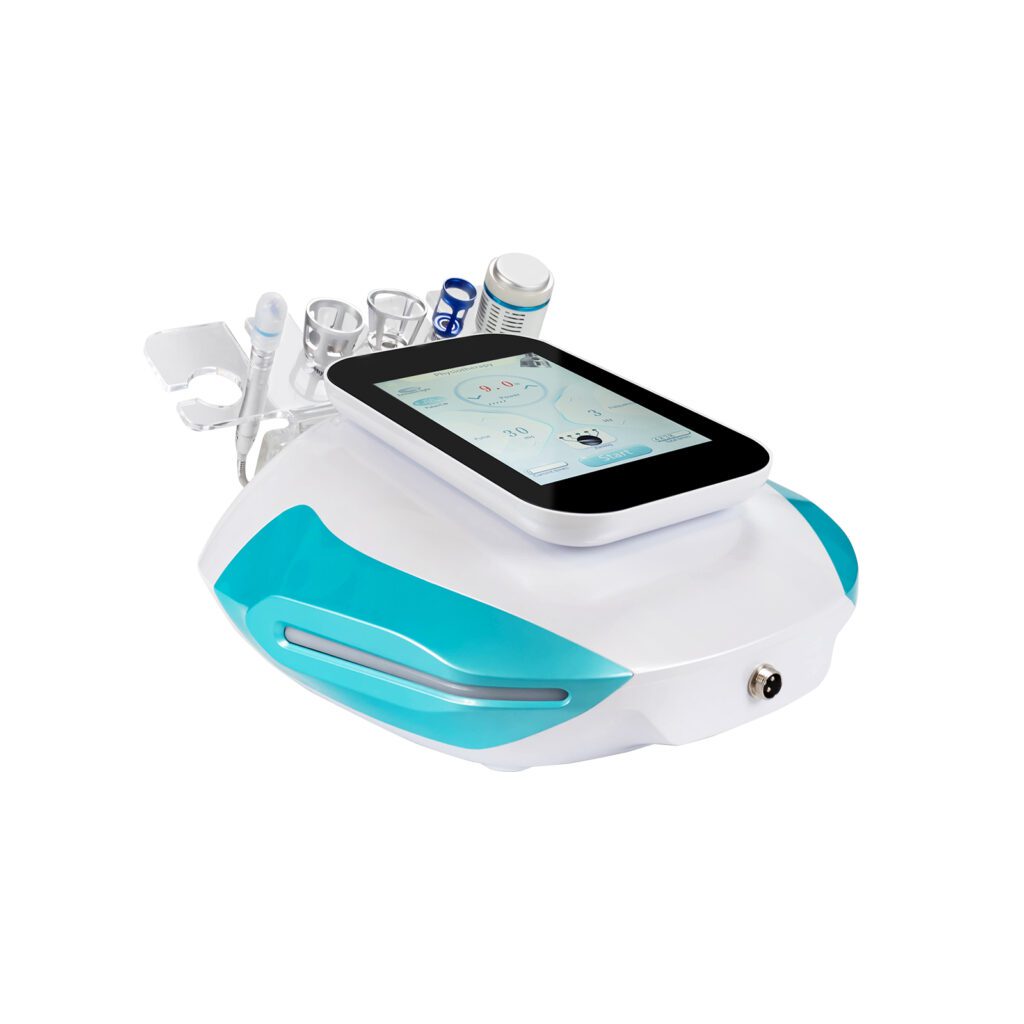
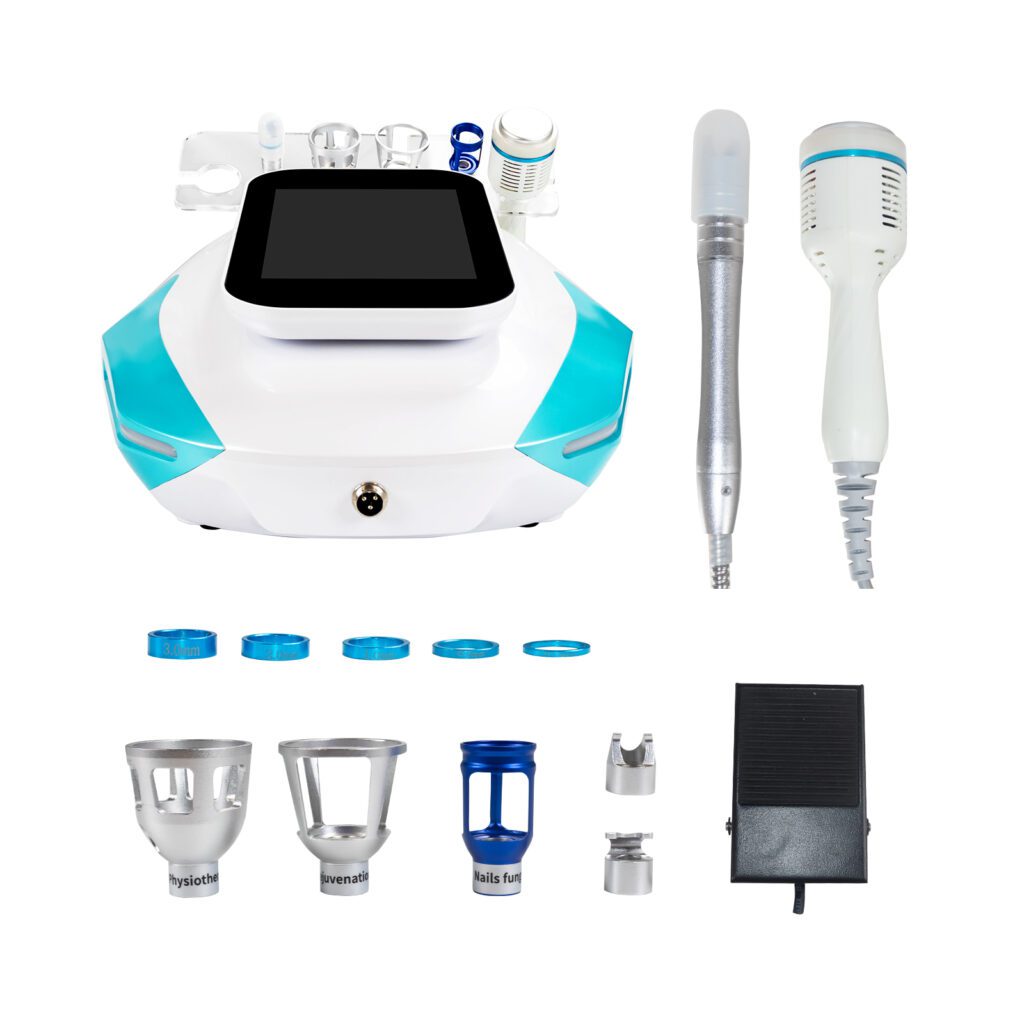
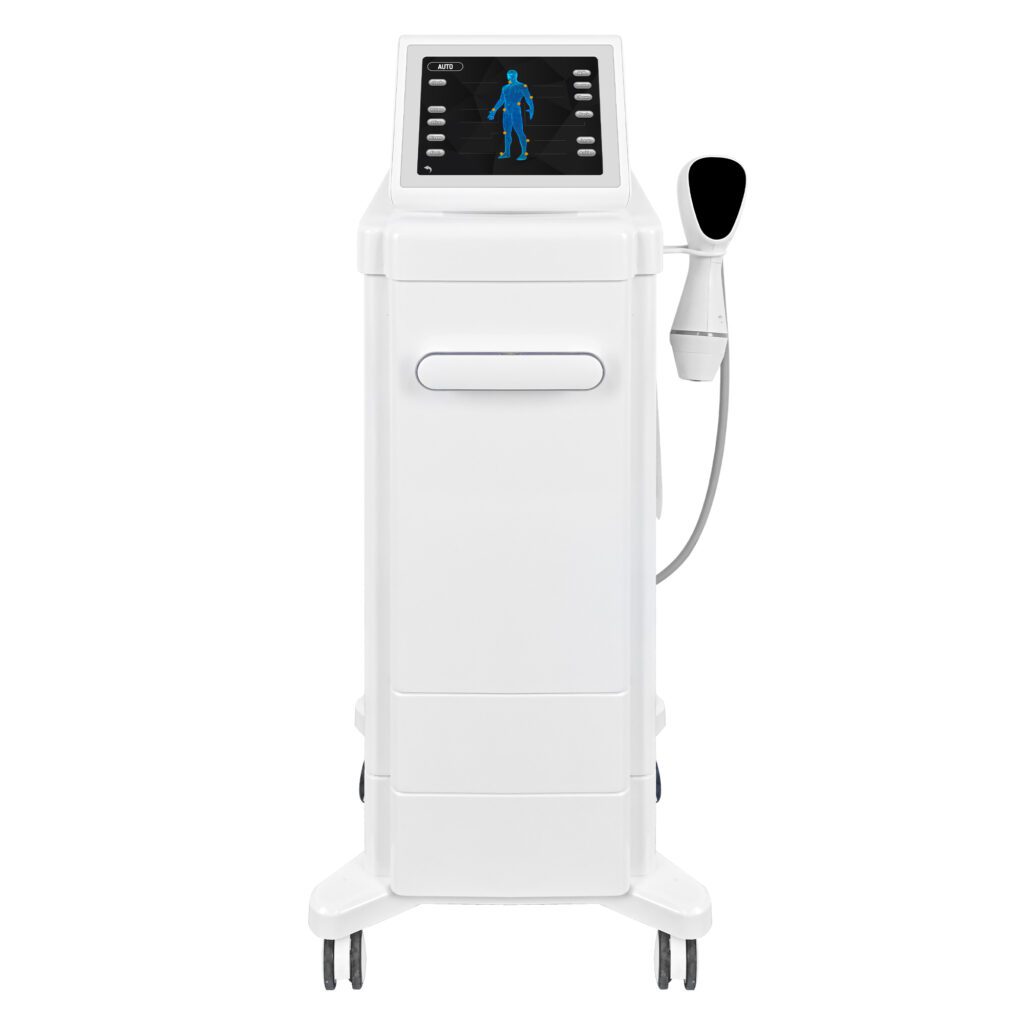
Die richtige Stoßwellenmaschine auswählen
Merkmale, auf die Sie bei professionellen Geräten achten sollten
Bei der Auswahl eines Stoßwellengeräts sollten Sie Folgendes beachten:
- Energieniveaus und Einstellbarkeit
- Applikatortypen
- Benutzeroberfläche
- Langlebigkeit und Design
Hochwertige Maschinen bieten bessere Ergebnisse und langfristige Zuverlässigkeit.
Warum in Stoßwellengeräte investieren? (Für Kliniken und Händler)
ROI und Marktnachfrage
Die Nachfrage nach nicht-invasiven Behandlungsmethoden steigt rasant, und die Stoßwellentherapie steht im Zentrum dieses Trends.
Kliniken, die in ESWT investieren, profitieren von:
- Hohe Behandlungsmargen
- Wiederholte Patientenbesuche
- Wachsende globale Nachfrage
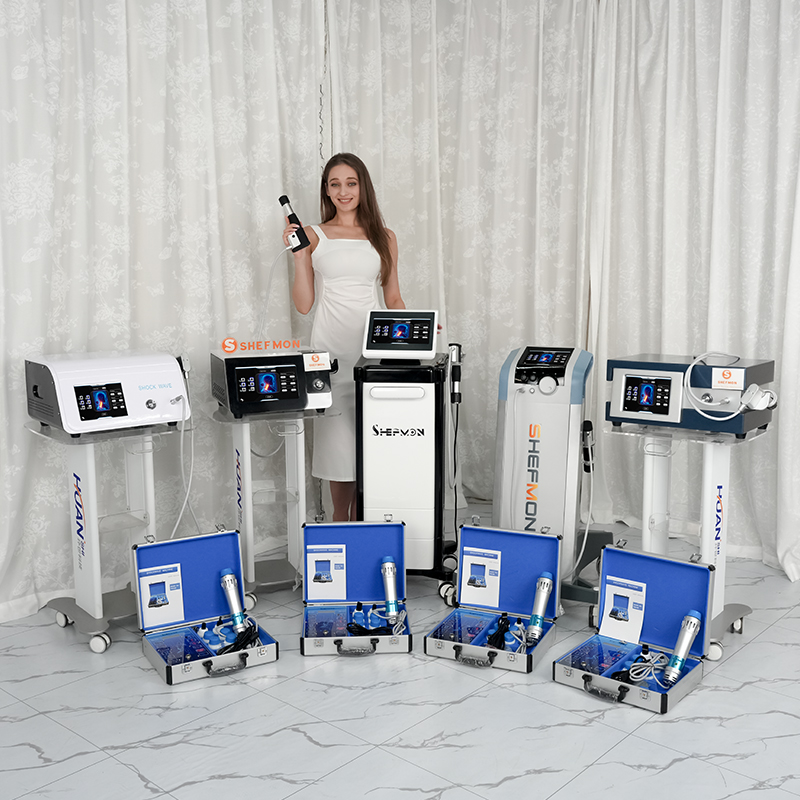
Für Distributoren und OEM/ODM-Partner wie SHEFMON BEAUTYDies stellt eine enorme Chance dar, im boomenden Markt für medizinische Ästhetik und Rehabilitation zu expandieren.
Abschluss
Stoßwellentherapie ist mehr als nur eine weitere Behandlungsmethode – es ist eine bahnbrechende Technologie Es definiert den Umgang mit Schmerztherapie und Rehabilitation neu. Durch die Kombination von Wissenschaft, Innovation und praktischer Wirksamkeit bietet es eine wirkungsvolle Alternative zu invasiven Eingriffen und langfristiger Medikamenteneinnahme.
Da sich die Patientennachfrage weiterhin in Richtung sichere, nicht-invasive und wirksame LösungenDie Stoßwellentherapie dürfte sich zu einem Eckpfeiler moderner Physiotherapie-Kliniken weltweit entwickeln.
FAQs
1. Ist die Stoßwellentherapie schmerzhaft?
Es kann während der Behandlung zu leichten Beschwerden führen, aber die meisten Patienten vertragen es gut und finden, dass sich die Behandlung lohnt.
2. Wie schnell wirkt die Stoßwellentherapie?
Viele Patienten bemerken bereits nach 1–3 Sitzungen eine Besserung, die sich über mehrere Wochen fortsetzt.
3. Ist die Stoßwellentherapie von der FDA zugelassen?
Ja, die Stoßwellentherapie ist von der FDA für verschiedene medizinische Zustände, insbesondere Erkrankungen des Bewegungsapparates, zugelassen.
4. Kann die Stoßwellentherapie eine Operation ersetzen?
In vielen Fällen ja. Es wird häufig als nicht-invasive Alternative eingesetzt, bevor operative Eingriffe in Betracht gezogen werden.
5. Wie lange hält das Ergebnis an?
Die Ergebnisse können von langer Dauer sein, insbesondere in Kombination mit einer angemessenen Rehabilitation und Anpassungen des Lebensstils.