Die Rolle der Beckenbodenmuskulatur für die menschliche Gesundheit
Wenn man an Muskeln denkt, die für Kraft und Gesundheit wichtig sind, hat man meist Bauchmuskeln, Bein- oder Armmuskulatur vor Augen. Doch verborgen unter der Oberfläche liegt eine kraftvolle Muskelgruppe, die im Stillen einige der wichtigsten Körperfunktionen unterstützt – die Bauchmuskulatur. BeckenbodenmuskulaturDiese Muskeln bilden eine stützende Schlinge, die Organe wie Blase, Gebärmutter und Rektum an ihrem Platz hält und gleichzeitig die Harn- und Darmfunktionen steuert.
Der Beckenboden ist eng mit der Rumpfstabilität, der Körperhaltung und sogar der sexuellen Gesundheit verbunden. Funktionieren diese Muskeln einwandfrei, gewährleisten sie die Kontinenz, stützen die inneren Organe und tragen zur reproduktiven Gesundheit bei. Schwächen sie sich jedoch, können die Folgen von leichten Beschwerden bis hin zu erheblichen Beeinträchtigungen des Alltags reichen.
Studien deuten darauf hin, dass Harninkontinenz betrifft bis zu 501.030.000 Frauen irgendwann in ihrem Leben., während auch Männer – insbesondere ältere Männer oder solche, die sich von einer Prostataoperation erholen – eine Funktionsstörung des Beckenbodens erleiden können.
Für viele Betroffene ist diese Erkrankung mit Scham, geringem Selbstvertrauen und sogar sozialem Rückzug verbunden. Stellen Sie sich vor, Sie müssten jedes Mal Angst haben, wenn Sie lachen, niesen oder Sport treiben, aus Furcht vor ungewolltem Harnverlust. Deshalb konzentrieren sich moderne ästhetische Medizin und Rehabilitationstechnologien zunehmend auf Lösungen, die die Beckenbodenmuskulatur effektiv stärken.
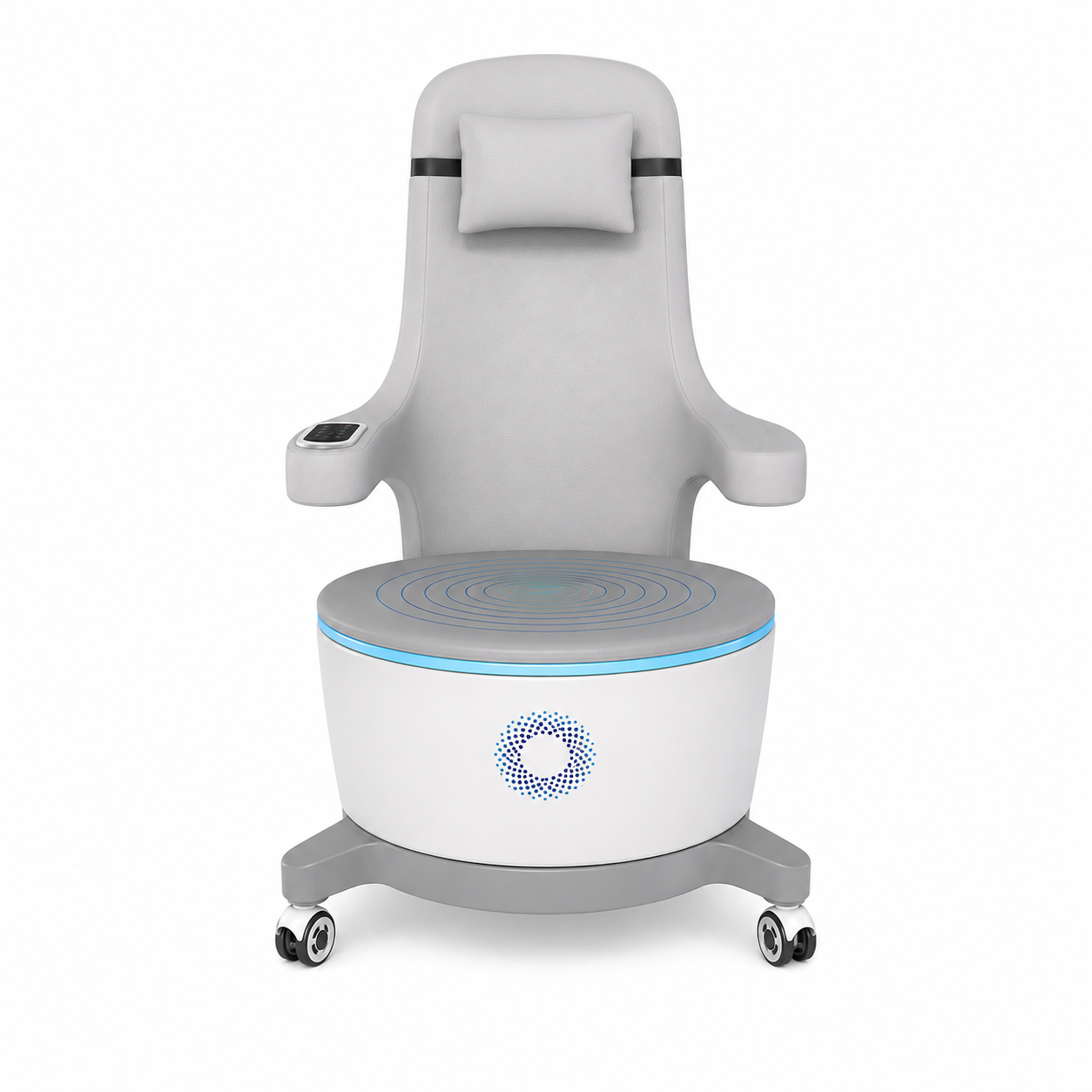
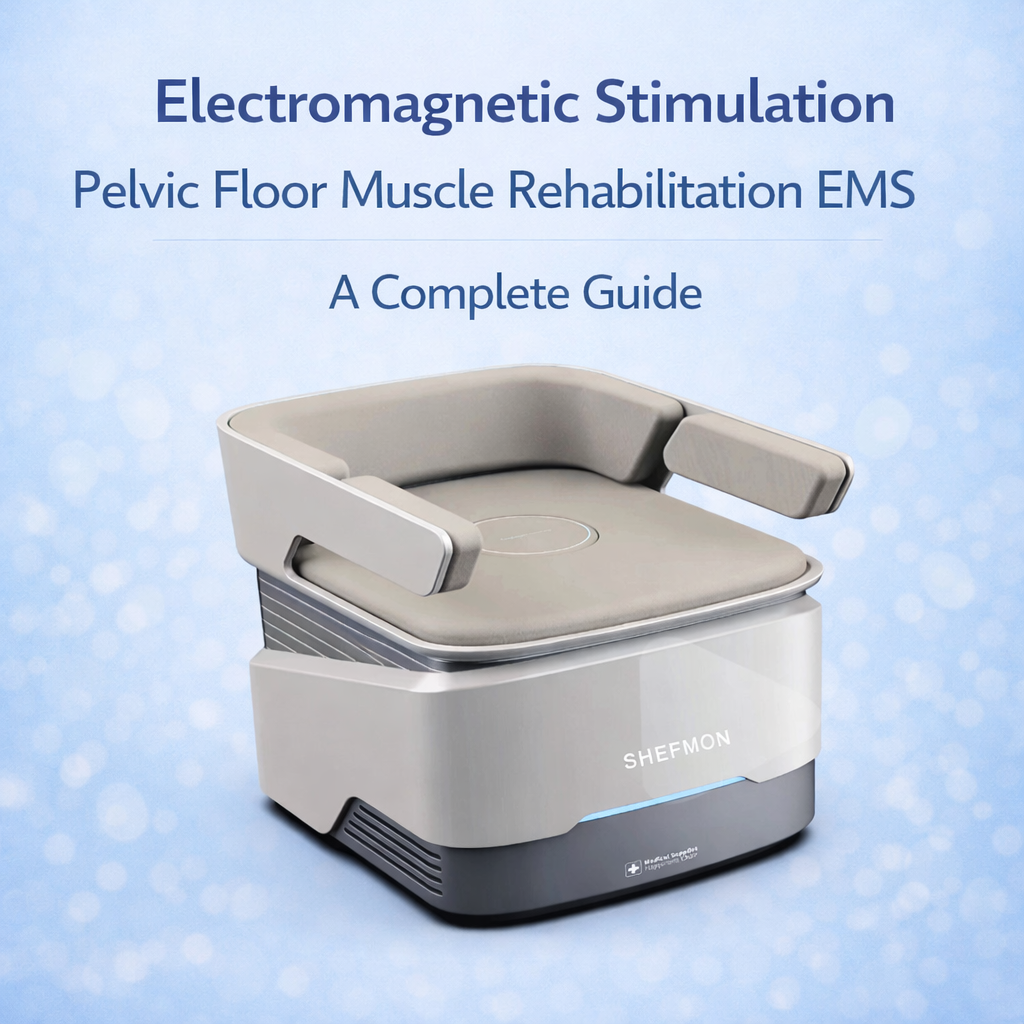
Die gute Nachricht? Innovative Technologien wie die Elektromagnetische Stimulation Beckenbodenmuskelrehabilitation EMS-Stuhl revolutioniert die Art und Weise, wie Kliniken diese Probleme behandeln – und bietet Patienten eine komfortable, nicht-invasive Lösung, die Muskelkraft und Selbstvertrauen wiederherstellt.
Häufige Ursachen für Beckenbodenschwäche
Eine Schwächung des Beckenbodens entsteht nicht über Nacht. Sie entwickelt sich meist allmählich durch körperliche Veränderungen, den Alterungsprozess oder Lebensstilfaktoren. Viele Menschen nehmen an, dass dieser Zustand unvermeidlich sei, insbesondere nach einer Geburt oder mit zunehmendem Alter. Tatsächlich verlieren die Muskeln jedoch mit der Zeit einfach an Kraft – genau wie jede andere Muskelgruppe.
Eine der häufigsten Ursachen ist Schwangerschaft und GeburtWährend der Geburt werden die Beckenbodenmuskeln stark gedehnt und erreichen manchmal nicht wieder ihre ursprüngliche Stärke. Hormonelle Veränderungen in den Wechseljahren spielen ebenfalls eine wichtige Rolle, da sie die Gewebeelastizität und den Muskeltonus verringern.
Weitere gemeinsame Faktoren sind:
Alterung und abnehmende Muskelmasse
Übergewicht oder erhöhter Bauchdruck
Prostataoperation bei Männern
Chronischer Husten oder schweres Heben
Bewegungsmangel oder sitzende Lebensweise
Mit der Zeit können geschwächte Beckenbodenmuskeln zu Beschwerden wie Belastungsinkontinenz, Dranginkontinenz, Gebärmutter- und Scheidensenkung sowie zu einer verminderten sexuellen Funktion führen. Traditionelle Behandlungsmethoden basieren häufig auf Kegelübungen oder Physiotherapie, doch vielen Menschen fällt es schwer, diese Übungen korrekt oder regelmäßig durchzuführen.
Diese Diskrepanz zwischen empfohlenen Übungen und realen Ergebnissen hat den Weg für fortschrittliche Lösungen geebnet wie elektromagnetische Beckenbodentherapie, wodurch eine hochgradig gezielte Muskelstimulation ohne Anstrengung seitens des Patienten ermöglicht wird.
Der Aufstieg der elektromagnetischen Beckenbodentherapie
Von Kegelübungen bis hin zu fortschrittlicher Technologie
Jahrzehntelang empfahlen Ärzte Kegel-Übungen Als primäre Lösung zur Stärkung des Beckenbodens gelten diese Übungen. Dabei werden die Beckenbodenmuskeln wiederholt angespannt und entspannt, um Ausdauer und Kontrolle aufzubauen. Obwohl sie in der Theorie wirksam sind, haben viele Patientinnen in der Praxis Schwierigkeiten damit.
Warum? Weil es gar nicht so einfach ist, die richtigen Muskeln zu identifizieren und anzuspannen. Manche spannen unbewusst umliegende Muskeln an, anstatt den Beckenboden, andere vergessen einfach, die Übungen regelmäßig durchzuführen. Die Folge sind unbeständige Fortschritte und Frustration.
Moderne Technologie bietet eine intelligentere Alternative. Elektromagnetische Beckenbodentherapie nutzt Hochintensive fokussierte elektromagnetische Energie (HIFEM) Um Muskelkontraktionen automatisch anzuregen. Anstatt auf willkürliche Kontraktionen angewiesen zu sein, löst das Gerät kraftvolle Muskelaktivierungen tief im Beckenboden aus.
Eine einzelne Sitzung kann generieren über 11.000 supramaximale Muskelkontraktionenund übertrifft bei Weitem das, was ein Mensch durch manuelle Übungen erreichen könnte.
Man kann es sich so vorstellen, als würde man den Beckenboden ins Fitnessstudio schicken – ohne dass der Patient einen Finger rühren muss.
Warum Kliniken in EMS-Beckenbodenstühle investieren
Kliniken für ästhetische Medizin und Rehabilitation setzen zunehmend auf EMS-Sessel zur Beckenbodenstimulation, da diese einer weit verbreiteten und stetig wachsenden Nachfrage gerecht werden. Millionen von Menschen leiden unter Beckenbodenproblemen, doch viele scheuen sich aus Scham oder aufgrund der invasiven Natur herkömmlicher Behandlungsmethoden vor einer Therapie.
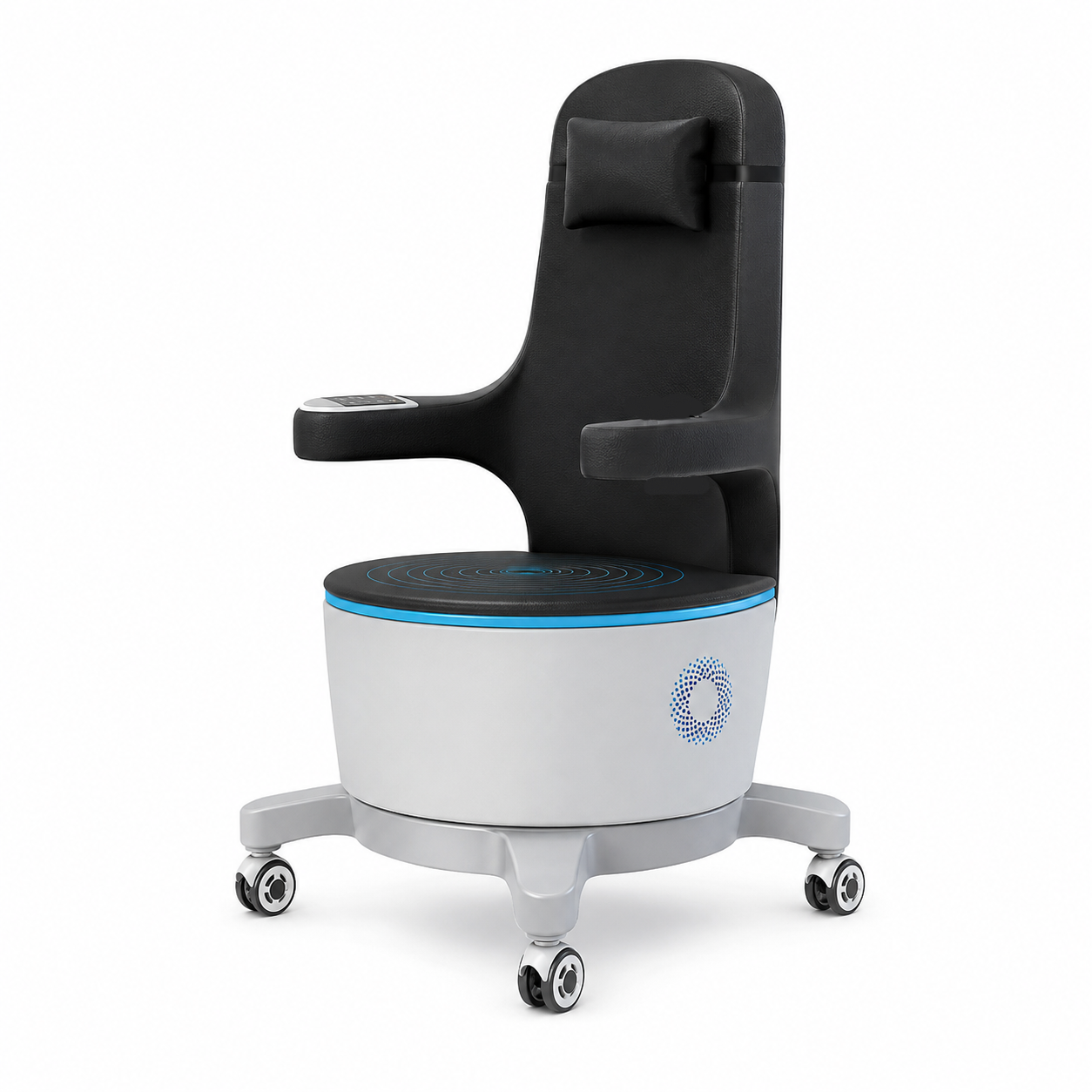
Der EMS-Stuhl revolutioniert das Behandlungserlebnis. Patienten sitzen einfach bekleidet auf dem Gerät, während elektromagnetische Impulse die Beckenbodenmuskulatur stimulieren. Die Behandlung ist schmerzfrei, schnell und erfordert keine Ausfallzeit.
Für Kliniken bietet die Technologie zahlreiche Vorteile:
Hohe Patientennachfrage in verschiedenen Bevölkerungsgruppen
Nicht-invasive Behandlungsmethode, geeignet für Männer und Frauen
Kurze Behandlungssitzungen (in der Regel 28–30 Minuten)
Hohe Patientenzufriedenheit und viele wiederholte Besuche
Da die Behandlung sowohl medizinische als auch ästhetische Anliegen – wie die Erholung nach der Geburt, die Blasenkontrolle und das sexuelle Wohlbefinden – berücksichtigt, passt sie perfekt in das moderne Wellness-Klinikmodell.
Was ist ein Stuhl zur elektromagnetischen Beckenbodenstimulation?
Kerntechnologie hinter EMS-Beckenbodenstühlen
Das Herzstück des EMS-Beckenbodenstuhls ist ein wirkungsvolles wissenschaftliches Prinzip: elektromagnetische Stimulation von MotoneuronenDiese Technologie erzeugt ein fokussiertes Magnetfeld, das tief in das Beckengewebe eindringt und die für die Muskelkontraktionen verantwortlichen Nerven aktiviert.
Im Gegensatz zu elektrischen Stimulationsgeräten, die Sonden oder Elektroden benötigen, funktioniert die elektromagnetische Technologie. völlig nicht-invasivDie Patienten bleiben vollständig bekleidet, während sie bequem auf dem Stuhl sitzen, was die Behandlung diskret und komfortabel macht.
Wenn das Magnetfeld den Beckenboden erreicht, stimuliert es die mit den Muskeln verbundenen motorischen Neuronen. Diese Neuronen senden Signale aus, die zu wiederholten Muskelkontraktionen mit einer willkürlich nicht erzielbaren Intensität führen.
Das Ergebnis nennen Wissenschaftler … supramaximale Kontraktionen—extrem kraftvolle Muskelaktivierungen, die die Muskelfasern stärken, die neuromuskuläre Koordination verbessern und die Ausdauer erhöhen.
Dieser Prozess fördert zudem eine verbesserte Durchblutung und Zellaktivität im Beckenbereich, was die Muskelregeneration und -kräftigung weiter beschleunigt.
Wie elektromagnetische Energie Muskelkontraktionen stimuliert
Stellen Sie sich die Beckenbodenmuskulatur wie ein Team von Arbeitern vor, die wichtige Körperstrukturen stützen. Mit der Zeit ermüden einige dieser Arbeiter oder vergessen ihre Aufgaben. Elektromagnetische Stimulation trainiert dieses Team quasi neu.
So läuft die Behandlung ab:
Ein Magnetfeld durchdringt das Gewebe im Beckenbereich.
Die Motoneuronen empfangen Stimulationssignale.
Die Muskeln kontrahieren schnell und wiederholt.
Muskelfasern werden gestärkt und regeneriert.
Neuromuskuläre Verbindungen verbessern sich.
Durch diese wiederholte Aktivierung werden die Muskeln trainiert, Kraft und Koordination wiederzuerlangen. Mit der Zeit wird der Beckenboden wieder besser in der Lage, die Organe zu stützen und die Blasenfunktion zu kontrollieren.
Im Wesentlichen verwandelt der EMS-Stuhl passives Sitzen in ein intensives Muskeltraining.
Wie der EMS-Beckenbodenstuhl in der Praxis funktioniert
Schritt-für-Schritt-Behandlungsprozess
Einer der Gründe für die große Beliebtheit der EMS-Beckenbodentherapie ist ihre Einfachheit. Im Gegensatz zu chirurgischen Eingriffen oder invasiven Behandlungen ist das Verfahren unkompliziert und angenehm.
Eine typische Behandlungssitzung läuft wie folgt ab:
Beratung und Beurteilung – Ein Therapeut beurteilt die Symptome des Patienten und entscheidet, ob eine Beckenbodentherapie angebracht ist.
Patientenlagerung – Der Patient sitzt vollständig bekleidet auf dem Rettungsstuhl.
Anpassung der Behandlungseinstellungen – Der Therapeut wählt die passende Intensität und das passende Programm aus.
Elektromagnetische Stimulation beginnt – Das Gerät erzeugt gezielte Impulse, die Muskelkontraktionen auslösen.
Sitzungsabschluss – Nach etwa 28–30 Minuten ist die Sitzung beendet und der Patient kann sofort wieder seinen normalen Aktivitäten nachgehen.
Die meisten Behandlungsprotokolle beinhalten sechs Sitzungen über mehrere Wochenwodurch die Muskeln allmählich ihre Kraft und Ausdauer wiedererlangen können.
Was Patienten während der Behandlung empfinden
Patienten beschreiben das Gefühl oft als eine Reihe schneller Muskelkontraktionen oder Vibrationen im Beckenbereich. Es ist anfangs ungewohnt, aber nicht schmerzhaft. Viele vergleichen es sogar mit dem Gefühl, intensive Beckenbodenübungen durchzuführen, ohne sich dabei anzustrengen.
Während der Behandlung ziehen sich die Muskeln wiederholt zusammen – manchmal tausende Male. Das mag zwar anstrengend klingen, doch die Technologie gewährleistet eine kontrollierte und therapeutische Stimulation der Muskeln.
Nach der Behandlung berichten einige Patienten von einem leichten Gefühl der Muskelermüdung, ähnlich dem, das man nach dem Training verspürt. Dies ist ein Zeichen dafür, dass die Beckenbodenmuskulatur aktiv beansprucht wurde.
Wichtigste Vorteile der EMS-Beckenbodenmuskelrehabilitation
Behandlung von Harninkontinenz
Harninkontinenz ist einer der häufigsten Gründe, warum Menschen eine Beckenbodentherapie in Anspruch nehmen. Sie tritt auf, wenn geschwächte Muskeln die Blase nicht mehr ausreichend stützen können, was zu unwillkürlichem Harnverlust bei Aktivitäten wie Husten, Niesen oder Sport führt.
Die elektromagnetische Beckenbodentherapie setzt genau hier an, indem sie die für die Blasenkontrolle verantwortlichen Muskeln stärkt. Durch die Stärkung der Muskeln wird eine bessere Unterstützung erreicht und die Kontinenz verbessert.
Klinische Berichte legen nahe, dass Bei bis zu 95% Patienten kommt es zu einer signifikanten Verbesserung der Symptome. nach Abschluss der Behandlungsprogramme.
Für viele Patienten kann diese Verbesserung ihre Lebensqualität deutlich steigern.
Erholung nach der Geburt und Beckenbodenmuskulatur
Schwangerschaft und Geburt belasten den Beckenboden enorm. Selbst nach der Genesung leiden viele Frauen unter anhaltender Schwäche, die zu Inkontinenz oder verminderter Rumpfstabilität führen kann.
Die EMS-Therapie bietet eine effektive Lösung zur Rückbildung nach der Geburt. Da die Behandlung nicht-invasiv und schmerzfrei ist, ermöglicht sie es jungen Müttern, ihre Beckenbodenmuskulatur ohne intensive Übungen wieder aufzubauen.
Die Stärkung des Beckenbodens trägt außerdem zur Wiederherstellung der Rumpfstabilität bei und verbessert das allgemeine körperliche Wohlbefinden.
Verbesserungen der sexuellen Gesundheit und der Lebensqualität
Ein starker Beckenboden unterstützt nicht nur die Blasenfunktion, sondern spielt auch eine wichtige Rolle für die sexuelle Gesundheit und Zufriedenheit. Bei einer Schwäche der Beckenbodenmuskulatur können die Durchblutung und die Nervenempfindlichkeit abnehmen, was sich negativ auf die Intimität auswirken kann.
Elektromagnetische Stimulation trägt zur Wiederherstellung des Muskeltonus und der neuromuskulären Funktion bei, was die Empfindsamkeit steigern und das sexuelle Wohlbefinden von Männern und Frauen verbessern kann.
In vielen Fällen berichten Patienten nach Abschluss der Therapie von einem gesteigerten Selbstvertrauen und einem verbesserten allgemeinen Wohlbefinden.
Klinische Evidenz zur Unterstützung der EMS-Beckenbodentherapie
Forschungsergebnisse und Behandlungsergebnisse
Die moderne EMS-Technologie für den Beckenboden wird durch eine wachsende Zahl klinischer Studien gestützt. Untersuchungen, die die elektromagnetische Stimulationstherapie mit traditionellen Beckenbodenübungen verglichen haben, zeigten signifikante Verbesserungen der Muskelkraft und eine Linderung der Symptome.
Eine randomisierte klinische Studie an Frauen nach der Geburt ergab beispielsweise, dass die elektromagnetische Therapie … Größere Steigerungen der Beckenbodenmuskelkraft im Vergleich zu traditionellen Kegelübungen.
Diese Ergebnisse unterstreichen den Vorteil der technologiegestützten Therapie, insbesondere für Patienten, denen es schwerfällt, die Übungen korrekt auszuführen.
Warum EMS-Technologie traditionellen Übungen überlegen ist
Traditionelle Übungen erfordern viel Disziplin und die richtige Technik des Patienten. Werden die Übungen falsch ausgeführt oder einfach vergessen, sind die Vorteile begrenzt.
Die EMS-Technologie beseitigt diese Einschränkungen vollständig. Das Gerät stimuliert die Muskeln automatisch mit einer Intensität, die willentlich nicht erreicht werden kann. Dies gewährleistet eine gleichmäßige Aktivierung und einen schnelleren Muskelaufbau.
Vereinfacht ausgedrückt: Die EMS-Therapie übernimmt die Arbeit für den Patienten und ist daher weitaus zuverlässiger als herkömmliche Trainingsmethoden.
Merkmale des elektromagnetischen Beckenbodenstuhls SHEFMON
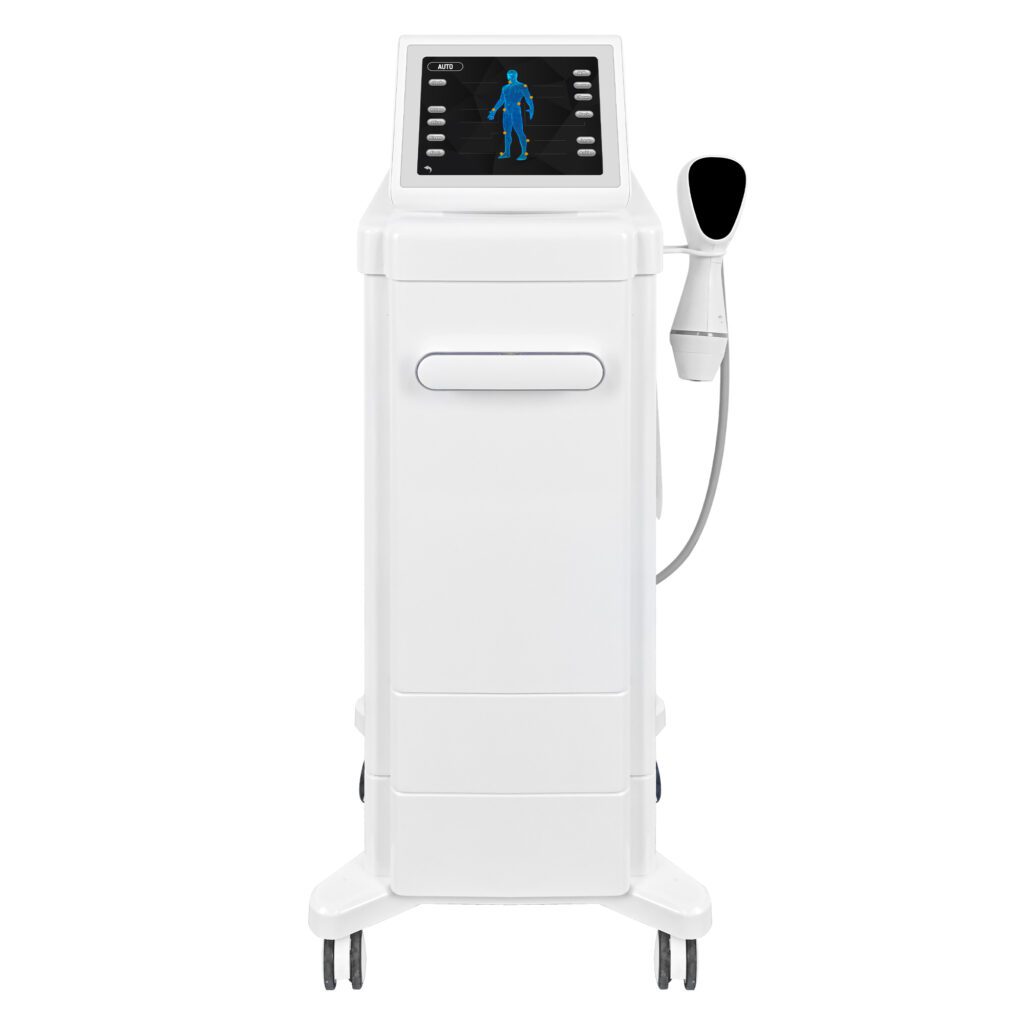
Für Kliniken, die fortschrittliche Technologien zur Rehabilitation des Beckenbodens suchen, SHEFMON EMS Beckenbodenstuhl bietet eine leistungsstarke und professionelle Lösung.
👉 Produktseite:
https://shefmon.com/product/e0436-electromagnetic-stimulation-pelvic-floor-muscle-rehabilitation-ems-chair/
Technologie- und Designvorteile
Das Gerät wurde speziell für Kliniken für medizinische Ästhetik und Rehabilitation entwickelt, die nicht-invasive Behandlungen der Beckengesundheit anbieten möchten.
Zu den wichtigsten Merkmalen gehören:
Hochintensive elektromagnetische Stimulationstechnologie
Nichtinvasive Behandlung ohne Sonden oder Operation
Anpassbare Behandlungsprogramme für männliche und weibliche Patienten
Komfortables Stuhldesign für mehr Patientenkomfort
Kurze Behandlungssitzungen, geeignet für stark frequentierte Kliniken
Anträge für medizinische und ästhetische Kliniken
Kliniken können diese Technologie zur Behandlung einer Vielzahl von Erkrankungen einsetzen, darunter:
Harninkontinenz
Beckenbodenschwäche nach der Geburt
Rehabilitation der Beckenbodenmuskulatur
Verbesserung der sexuellen Gesundheit
Verbesserung der Kernstabilität
Durch die Integration dieses Geräts in ihr Leistungsangebot können Kliniken in den schnell wachsenden Markt expandieren. Markt für Beckenboden-Wellness.
Wer ist der ideale Kandidat für die EMS-Beckenbodentherapie?
Patientinnen
Frauen sind die Hauptnutzerinnen von Geräten zur Beckenbodenrehabilitation. Die Therapie ist besonders vorteilhaft für Frauen mit folgenden Beschwerden:
Beckenbodenschwäche nach der Geburt
Belastungsinkontinenz
Muskelabbau im Zusammenhang mit den Wechseljahren
Verminderte sexuelle Empfindlichkeit
Die nicht-invasive Natur der Behandlung macht sie attraktiv für Frauen, die effektive Ergebnisse ohne Operation wünschen.
Männliche Patienten
Auch Männer können erheblich von einer Beckenbodentherapie profitieren, insbesondere nach einer Prostataoperation oder bei Problemen mit der Harnkontrolle.
Eine Stärkung der Beckenbodenmuskulatur trägt zur Verbesserung der Blasenkontrolle bei, unterstützt die Erektionsfähigkeit und erhöht die allgemeine Stabilität des Beckenbodens.
EMS-Stuhl vs. traditionelle Beckenbodentherapien
| Behandlungsmethode | Invasivität | Erforderlicher Aufwand | Wirksamkeit |
|---|---|---|---|
| Kegel-Übungen | Nicht-invasiv | Hoher Patienteneinsatz | Variable |
| Beckenbodenphysiotherapie | Nicht-invasiv | Mittlere Anstrengung | Mäßig |
| Operation | Invasiv | Keiner | Hoch, aber riskant |
| EMS-Beckenstuhl | Nicht-invasiv | Minimaler Aufwand | Hoch |
Der EMS-Stuhl zeichnet sich dadurch aus, dass er die Sicherheit einer nicht-invasiven Behandlung mit der Effektivität fortschrittlicher Technologie verbindet.
Geschäftsmöglichkeiten für Kliniken, die EMS-Beckenbodentherapie anbieten
Die Nachfrage nach Behandlungen von Beckenbodenproblemen steigt weltweit rasant. Mit zunehmendem Bewusstsein suchen immer mehr Patientinnen aktiv nach nicht-operativen Lösungen.
Die Aufnahme der EMS-Beckenbodentherapie in das Leistungsspektrum einer Klinik kann neue Einnahmequellen erschließen und gleichzeitig ein wichtiges Gesundheitsbedürfnis befriedigen.
Vorteile für Kliniken sind unter anderem:
Hohe Patientennachfrage
Schnelle Behandlungssitzungen
Hohe Kapitalrendite
Erweiterung des Angebots an Wellness-Dienstleistungen
Für ästhetische Kliniken, die bereits Leistungen in den Bereichen Körperformung, Hautstraffung oder Physiotherapie anbieten, ist die Beckenbodentherapie eine natürliche Erweiterung.
Abschluss
Die Gesundheit des Beckenbodens ist einer der am meisten vernachlässigten Aspekte des körperlichen Wohlbefindens, spielt aber eine entscheidende Rolle für das tägliche Wohlbefinden, das Selbstvertrauen und die Lebensqualität. Millionen von Menschen leiden unter Beschwerden wie Harninkontinenz, Beckenbodenmuskelschwäche und Problemen bei der Rückbildung nach der Geburt.
Der Elektromagnetische Stimulation Beckenbodenmuskelrehabilitation EMS-Stuhl Dies stellt einen Durchbruch in der nicht-invasiven Therapie dar. Durch die Abgabe starker elektromagnetischer Impulse, die Tausende von Muskelkontraktionen auslösen, stärkt diese Technologie die Beckenbodenmuskulatur effizienter als herkömmliche Übungen.
Für Kliniken bietet die Technologie eine hervorragende Möglichkeit, ihr Leistungsspektrum zu erweitern und einem weit verbreiteten medizinischen Bedarf zu begegnen. Für Patientinnen und Patienten bietet sie einen sicheren, komfortablen und effektiven Weg zur Wiederherstellung der Beckenbodenmuskulatur und des Selbstvertrauens.
FAQs
1. Wie lange dauert eine EMS-Beckenbodenbehandlung?
Die meisten EMS-Beckenbodentherapiesitzungen dauern etwa 28–30 MinutenDie Patienten bleiben während der Behandlung vollständig bekleidet, was die Behandlung schnell und bequem macht.
2. Wie viele Sitzungen sind erforderlich, um Ergebnisse zu erzielen?
Typische Behandlungsprotokolle umfassen sechs Sitzungen über mehrere WochenViele Patienten bemerken bereits nach den ersten Behandlungen eine Besserung.
3. Ist die EMS-Beckenbodentherapie schmerzhaft?
Nein. Die Behandlung ist im Allgemeinen schmerzfrei. Patienten verspüren üblicherweise rhythmische Muskelkontraktionen, ähnlich wie bei intensiven Kegelübungen.
4. Wer sollte die EMS-Therapie des Beckenbodens vermeiden?
Patienten mit bestimmten medizinischen Implantaten wie Herzschrittmachern oder Schwangere sollten vor einer Behandlung einen Arzt konsultieren.
5. Kann die EMS-Beckenbodentherapie auch Männern helfen?
Ja. Die Therapie ist sowohl für Männer als auch für Frauen wirksam. Sie kann bei männlichen Patienten die Blasenkontrolle, die Beckenbodenstabilität und die sexuelle Gesundheit verbessern.