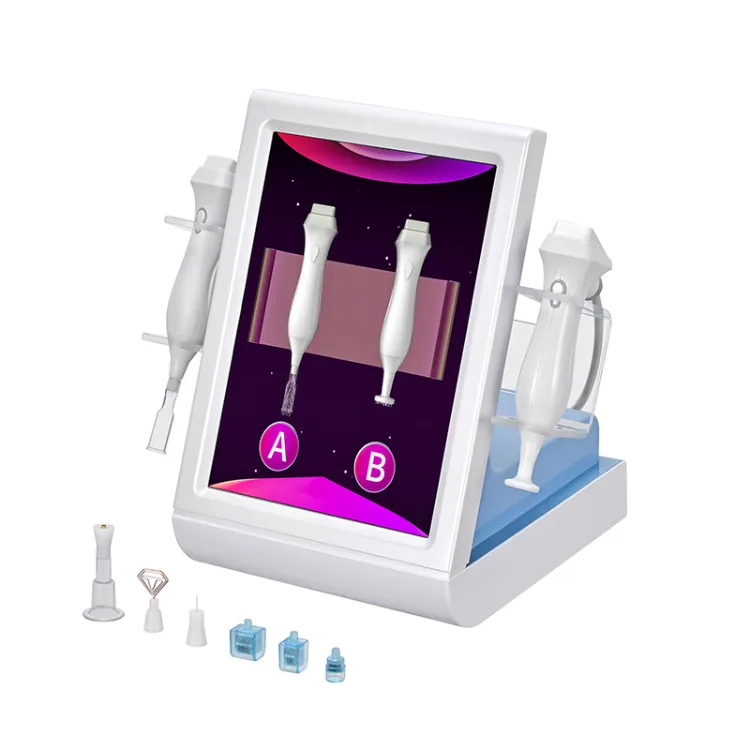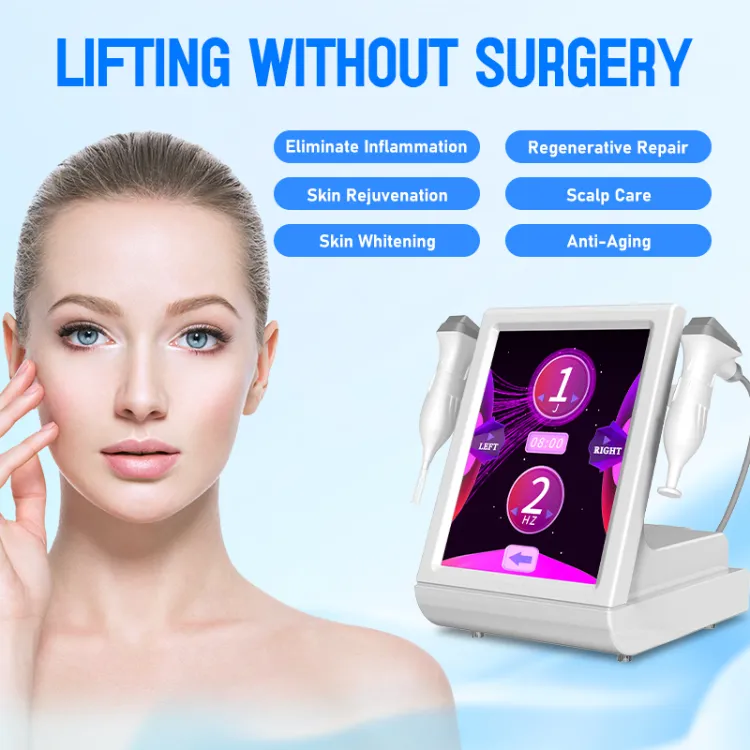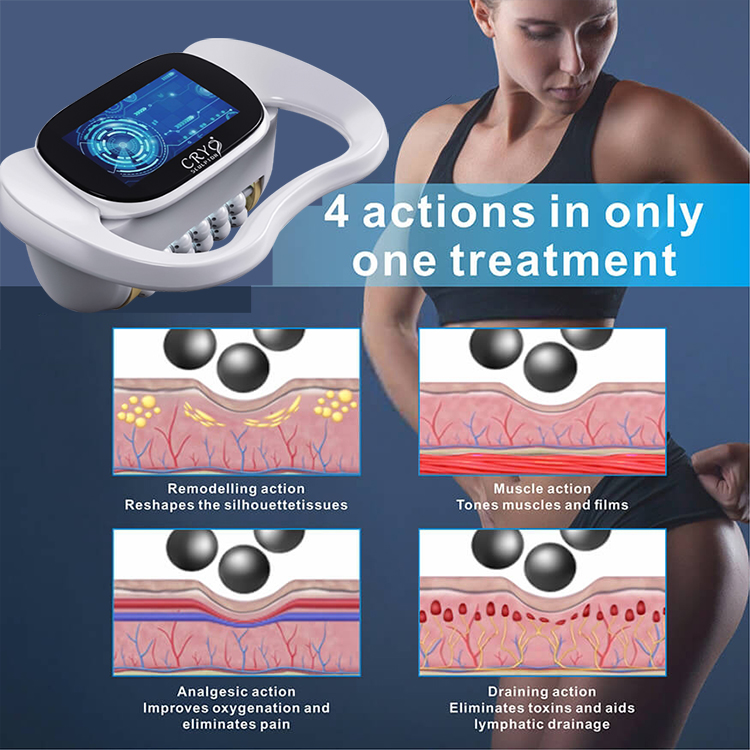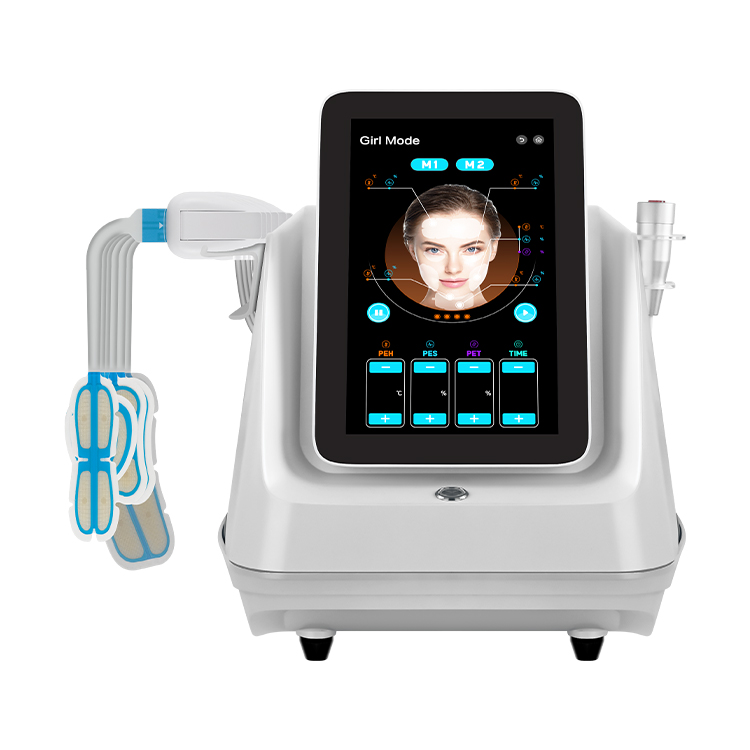














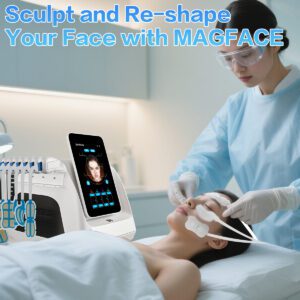

As demand grows for non-invasive aesthetic treatments, many clients and clinic owners are asking a critical question: can High Intensity Focused Ultrasound (HIFU) truly replace traditional surgical facelifts? HIFU has gained global recognition for skin tightening, wrinkle reduction, and facial lifting without incisions or downtime. To answer this question realistically, it is important to compare how HIFU works, what results it can deliver, and where its limitations lie compared to conventional facelift surgery.
1. Understanding How Traditional Facelifts Work
A traditional facelift is a surgical procedure that physically lifts and repositions facial tissues. By tightening the SMAS layer and removing excess skin, surgery delivers dramatic and immediate results, especially for severe sagging and deep wrinkles. However, it comes with significant drawbacks, including anesthesia risks, long recovery time, visible scars, and high costs. For many patients, these factors make surgery an intimidating option despite its effectiveness.
2. How HIFU Lifts and Tightens the Skin
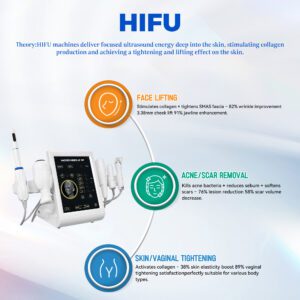
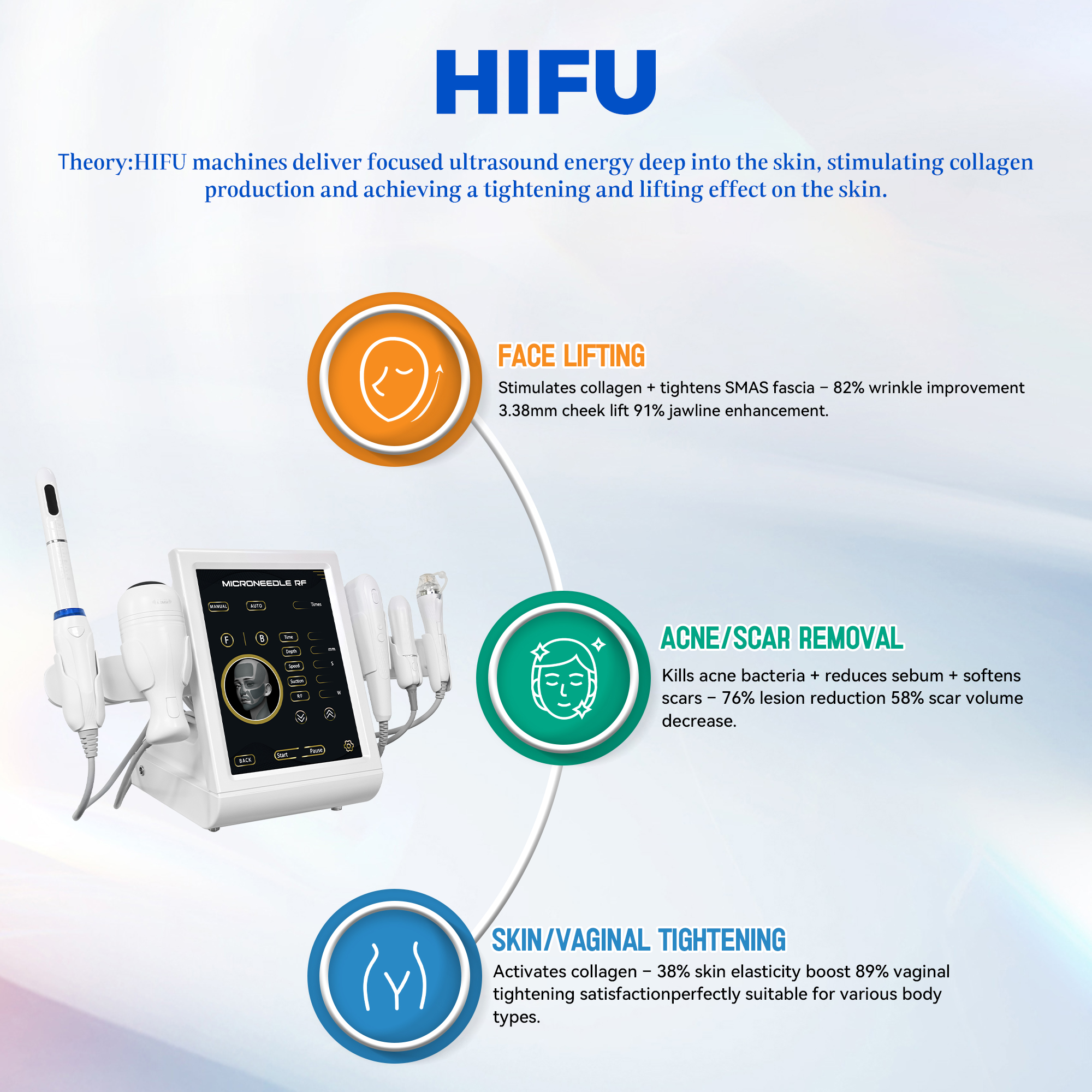
High Intensity Focused Ultrasound works in a fundamentally different way. Instead of cutting or pulling the skin, HIFU delivers focused ultrasound energy into precise depths of the skin, including the dermis and SMAS layer. This energy creates controlled thermal points that trigger collagen contraction and stimulate long-term collagen regeneration.
By strengthening the skin’s internal support structure, HIFU gradually lifts and tightens facial tissue in a natural way. This mechanism explains why HIFU results improve over time rather than appearing instantly like surgical outcomes.
3. Effectiveness of HIFU for Facial Lifting
3.1 Mild to Moderate Skin Sagging
HIFU is highly effective for mild to moderate skin laxity. Clients with early signs of aging—such as sagging cheeks, soft jawlines, and loose neck skin—often achieve noticeable lifting and firming after one session. The results are subtle but natural, making HIFU ideal for those who want rejuvenation without a “surgical look.”
3.2 Wrinkles and Loss of Facial Definition
While HIFU does not remove excess skin, it significantly improves wrinkles caused by collagen loss and gravity. Areas such as nasolabial folds, marionette lines, and forehead wrinkles respond well to focused ultrasound, especially when multiple treatment depths are used.
4. Advanced HIFU Technology vs Surgical Results
4.1 HIFU Combined with Radio Frequency
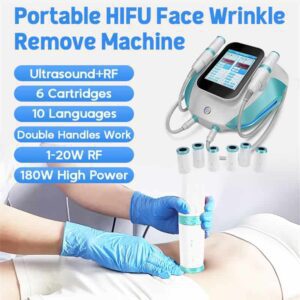
Modern HIFU systems often integrate radio frequency to enhance surface tightening and collagen remodeling. RF complements ultrasound by improving skin texture and elasticity, while HIFU works deeper for lifting. This combination creates a more comprehensive anti-aging effect, especially for the face, eyes, and neck.
https://shefmon.com/product/a0270-anti-aging-vmax-hifu-machine-with-radio-frequency/
For many clients, this dual-technology approach delivers results that feel comparable to a mild facelift, without surgical trauma.
4.2 Multi-Depth and 9D HIFU Systems
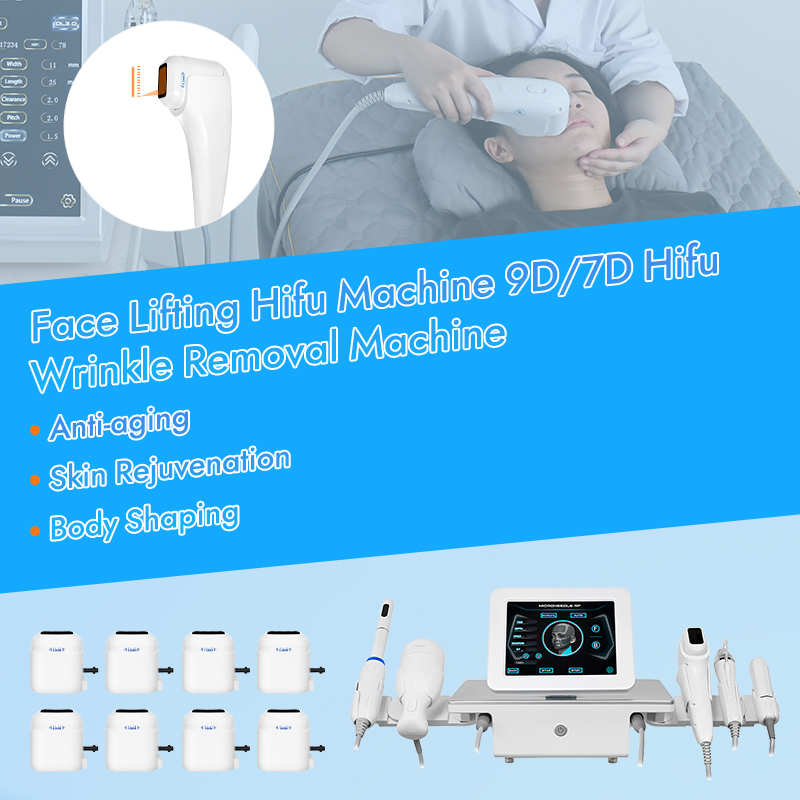
New-generation 9D HIFU technology improves treatment precision and coverage. By delivering multiple ultrasound lines and targeting various skin depths in one session, 9D HIFU enhances lifting consistency and comfort. This allows practitioners to treat both superficial and deep tissues more effectively.
https://shefmon.com/product/a0205-9d-7d-focused-hifu-machine-5-in-1/
While these advancements significantly narrow the gap between HIFU and surgery, they still rely on biological collagen regeneration rather than mechanical lifting.
5. Can HIFU Fully Replace a Facelift?
5.1 Where HIFU Can Replace Surgery
For many clients aged 30 to 55 with mild to moderate aging concerns, HIFU can effectively replace the need for a traditional facelift. It offers visible lifting, wrinkle reduction, and improved facial contours with no downtime, making it a preferred option for busy lifestyles.
HIFU is also an excellent preventive treatment. By maintaining collagen levels and skin firmness, it can delay the need for surgical intervention for years.
5.2 Where Surgery Still Has an Advantage
In cases of severe skin laxity, heavy jowls, or extensive excess skin, HIFU cannot fully replicate surgical results. A facelift physically removes and repositions tissue, something non-invasive technology cannot achieve. For these clients, HIFU may still play a supportive role as a maintenance or post-surgical enhancement treatment.
6. Recovery Time and Safety Comparison
One of HIFU’s strongest advantages over surgery HIFU’s strongest advantages over surgery is recovery. Traditional facelifts require weeks of downtime and carry risks such as infection, scarring, and nerve damage. HIFU treatments typically involve minimal redness or swelling and allow clients to return to normal activities immediately.
From a safety perspective, HIFU is non-invasive, needle-free, and suitable for all skin types when performed correctly, making it accessible to a much wider audience.
7. Cost and Accessibility Considerations
HIFU treatments are significantly more affordable than surgical facelifts. This makes them accessible to a broader range of clients and allows for repeat sessions if needed. Clinics also benefit from HIFU’s scalability, as it can be offered as a standalone service or combined with other aesthetic treatments.
Final Words
High Intensity Focused Ultrasound cannot completely replace traditional facelifts in cases of advanced aging, but it has successfully replaced surgery for a large portion of aesthetic clients. With modern advancements such as RF integration and 9D multi-depth technology, HIFU delivers impressive lifting, tightening, and wrinkle reduction without surgery, downtime, or significant risk. For clients seeking natural, progressive, and non-invasive facial rejuvenation, HIFU has become a powerful alternative—and for many, the preferred choice—to traditional facelifts.