What Is Keratosis Pilaris?
Keratosis pilaris is a harmless skin condition caused by a buildup of keratin, a natural protein that protects the skin. Instead of shedding normally, keratin blocks hair follicles, creating small, rough bumps on the surface of the skin.
Think of it like a clogged drain—nothing dangerous, but definitely annoying.
What Causes KP?
The exact cause isn’t fully understood, but genetics play a huge role. If your parents had KP, chances are you might too. It’s also more common in people with dry skin, eczema, or sensitive skin barriers.
Common Areas Affected by KP
KP most often shows up on:
Upper arms
Thighs
Buttocks
Cheeks (especially in children)
Is Keratosis Pilaris a Medical Condition or Cosmetic Concern?
Technically, KP is a cosmetic condition. It doesn’t hurt, itch severely, or pose health risks. But emotionally? It can affect confidence, clothing choices, and self-esteem. That’s where cosmetic treatments—and devices—enter the conversation.
Traditional Treatment Options for Keratosis Pilaris
Topical Creams and Lotions
Exfoliating Ingredients
Most dermatologists recommend creams containing:
Lactic acid
Salicylic acid
Glycolic acid
Urea
These ingredients help dissolve excess keratin and smooth the skin.
Moisturizing Agents
Hydration is critical. Ingredients like ceramides, glycerin, and shea butter help restore the skin barrier and reduce roughness.
Lifestyle and Skincare Adjustments
Gentle cleansing, avoiding harsh scrubs, lukewarm showers, and consistent moisturizing all help—but they rarely eliminate KP completely.
Limitations of Conventional Treatments
Here’s the truth: creams work, but slowly. And once you stop, KP often comes right back. That’s why many people start exploring cosmetic medical devices for more noticeable results.
Introduction to Cosmetic Medical Devices
What Are Cosmetic Medical Devices?
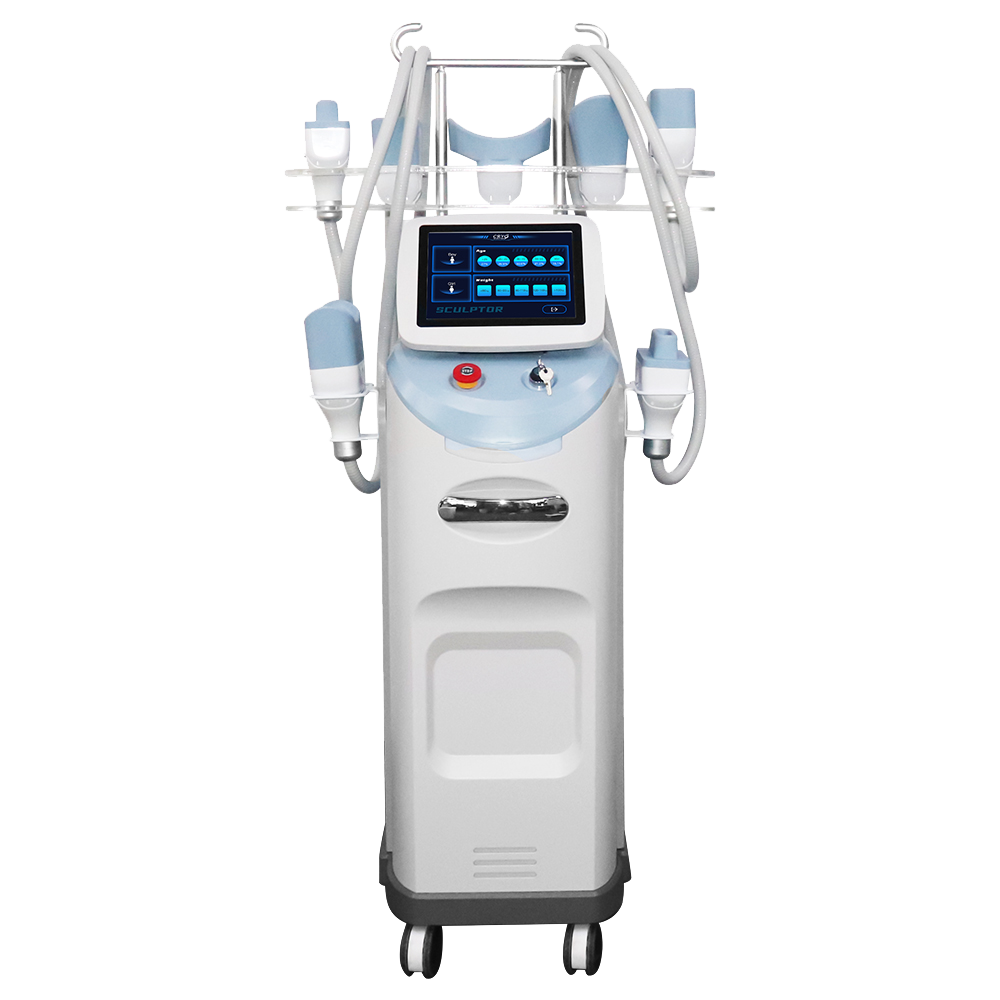
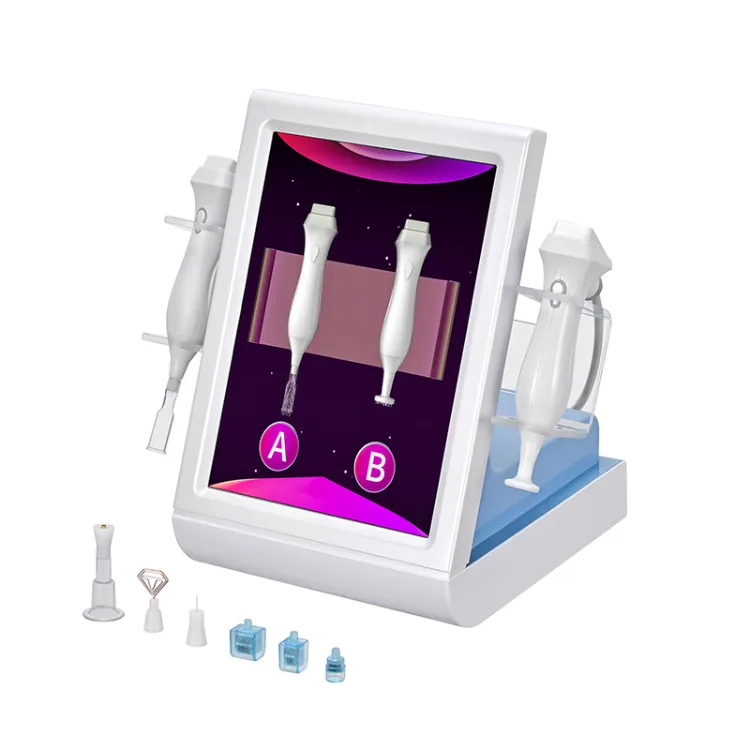
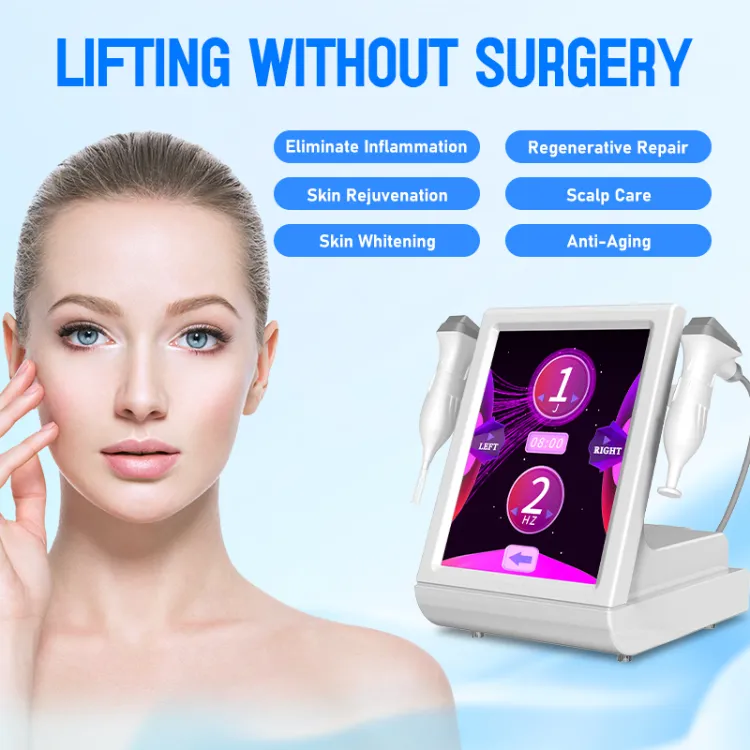
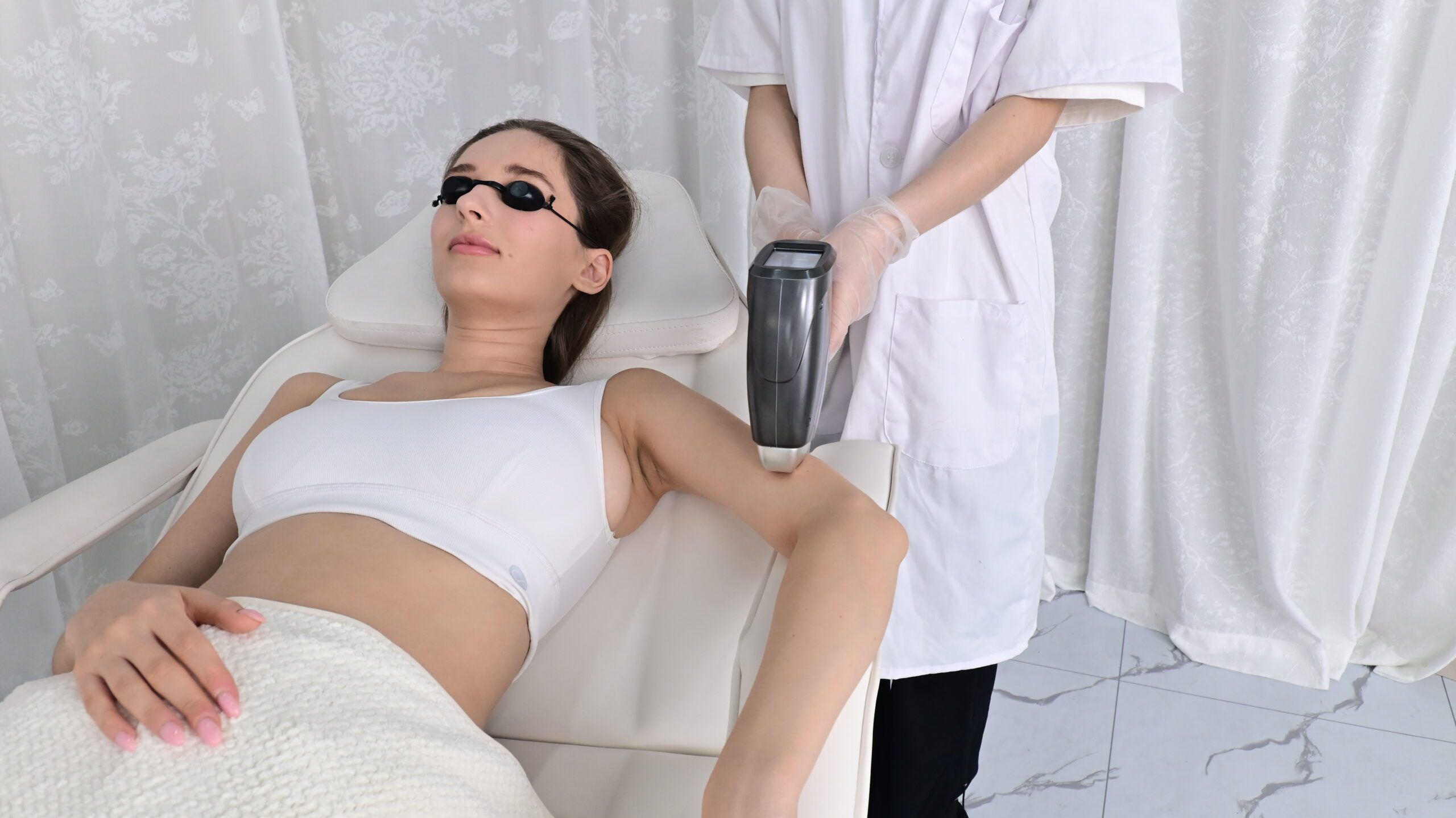
Cosmetic medical devices are professional-grade machines designed to improve skin texture, tone, and structure using energy-based technologies like light, heat, sound, or mechanical exfoliation.
How Do They Differ from Home Beauty Tools?
These devices deliver controlled energy at deeper skin levels than standard home gadgets. Think of them as precision tools rather than surface-level fixes.
Why Devices Are Gaining Popularity in Skin Treatment
Because they work with your skin biology instead of just sitting on top of it. They stimulate renewal, collagen production, and improved cell turnover—key factors in KP improvement.
Can Cosmetic Medical Devices Help Treat Keratosis Pilaris?
The Science Behind Device-Based Skin Treatments
KP is essentially a problem of abnormal keratin buildup and slow skin renewal. Cosmetic medical devices target:
Follicular blockage
Skin texture irregularities
Redness and inflammation
Poor circulation
Key Skin Changes Required to Improve KP
To improve KP, the skin needs:
Better exfoliation
Faster cell turnover
Improved hydration retention
Reduced inflammation
This is exactly where device-based treatments shine.
Types of Cosmetic Medical Devices Used for KP
Laser Therapy Devices
How Laser Technology Works for KP
Laser devices use focused light energy to:
Reduce redness
Improve skin texture
Stimulate collagen
They don’t “cure” KP, but they dramatically smooth and even the skin.
Expected Results and Treatment Cycles
Most people need multiple sessions. Results improve gradually and are often long-lasting with maintenance.
Radiofrequency (RF) Devices
RF and Skin Texture Improvement
RF devices heat the deeper layers of skin, encouraging collagen remodeling and smoother surface texture. They’re especially useful for thick, rough KP patches.
Intense Pulsed Light (IPL) Devices
IPL for Redness and Pigmentation in KP
IPL doesn’t target bumps directly, but it significantly reduces redness and uneven tone, making KP far less noticeable.
Microdermabrasion and Hydradermabrasion Devices
Mechanical Exfoliation Benefits
These devices physically remove dead skin cells, unclog follicles, and allow topical treatments to penetrate better. Think of it as hitting the reset button on your skin.
Ultrasound-Based Skin Devices
Enhancing Skin Renewal
Ultrasound energy stimulates deep tissue repair and improves circulation, indirectly supporting smoother skin over time.
Effectiveness of Cosmetic Medical Devices for KP
What Results Can Realistically Be Expected?
Let’s be real—KP doesn’t disappear overnight. But cosmetic medical devices can:
Smooth rough texture
Reduce redness
Improve skin tone
Make KP far less visible
Short-Term vs Long-Term Improvements
Short-term results are often visible after a few sessions. Long-term improvement depends on consistency and maintenance.
Combination Therapy: Devices Plus Skincare
The best results come from combining device treatments with proper home skincare. It’s teamwork, not a solo act.
Safety and Risks
Are These Devices Safe for KP-Prone Skin?
When used correctly by trained professionals, yes. Most cosmetic medical devices are safe for KP.
Potential Side Effects
Possible side effects include:
Temporary redness
Mild swelling
Sensitivity
These usually resolve within hours or days.
Who Should Avoid Device-Based Treatments?
People with active infections, open wounds, or certain skin conditions should consult a professional before treatment.
Professional Treatments vs At-Home Devices
In-Clinic Cosmetic Medical Devices
Professional treatments deliver stronger, more precise energy and produce faster results.
Home-Use Devices: Do They Work?
Home devices can help maintain results, but they’re not powerful enough to replace clinical treatments for moderate to severe KP.
Cost Comparison and Maintenance
Professional treatments cost more upfront, but results last longer. Home devices are cheaper but require ongoing use.
Choosing the Right Device-Based Treatment
Skin Type Considerations
Sensitive, dark, or reactive skin types need customized treatment plans to avoid irritation.
Severity of Keratosis Pilaris
Mild KP may respond well to exfoliation devices, while severe KP often needs laser or RF treatments.
Consulting a Dermatologist or Aesthetic Professional
Always a smart move. Professional guidance prevents wasted money and disappointing results.
Future Trends in KP Treatment
Emerging Technologies
New devices combining laser, RF, and AI-powered skin analysis are making KP treatments more targeted and effective.
Personalized Device-Based Skincare
Customized protocols based on genetics and skin data are becoming the future of KP management.
Final Thoughts on Using Cosmetic Medical Devices for KP
So, can cosmetic medical devices be used to treat keratosis pilaris? Absolutely—with realistic expectations. They won’t “cure” KP, but they can dramatically improve texture, tone, and confidence. When combined with good skincare and professional guidance, these devices turn KP from a constant frustration into a manageable condition.
FAQs
1. Can cosmetic medical devices completely cure keratosis pilaris?
No, KP has no permanent cure, but devices can significantly reduce its appearance.
2. How many sessions are needed to see results?
Most people see improvement after 3–6 sessions, depending on the device used.
3. Are laser treatments safe for darker skin tones with KP?
Yes, when the correct laser type and settings are used by professionals.
4. Can KP come back after stopping device treatments?
Yes, maintenance is often required, but recurrence is usually milder.
5. Are cosmetic medical devices better than creams for KP?
They’re more effective for texture and redness, especially when combined with creams.