



Microneedling RF (radiofrequency) has become one of the most effective aesthetic treatments for skin tightening, texture improvement, and fat remodeling. However, achieving safe, consistent, and long-lasting results depends heavily on correct operation. Many complications associated with Microneedling RF are not caused by the technology itself, but by improper technique, incorrect parameter selection, or poor treatment planning. This article clearly explains Microneedling RF operation precautions, helping practitioners avoid common mistakes and perform treatments correctly.
1. Understanding the Core Principle of Microneedling RF
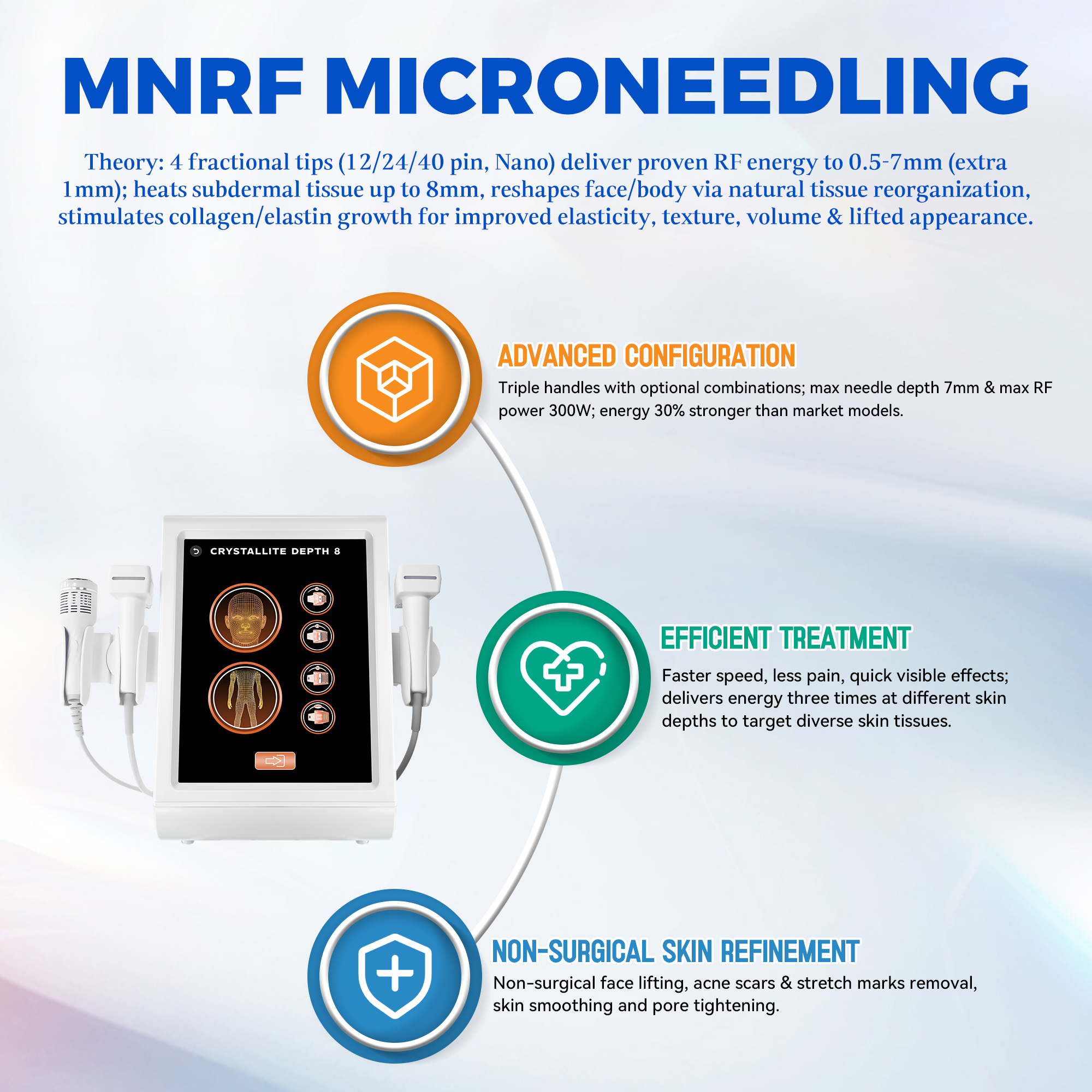
Microneedling RF works by inserting insulated or semi-insulated microneedles into the skin and delivering controlled radiofrequency energy directly into the dermis or subdermal layer. This dual mechanism creates precise thermal zones while minimizing epidermal damage. Correct operation begins with understanding that Microneedling RF is not just “microneedling plus heat,” but a depth-dependent thermal treatment that requires anatomical knowledge and precise control.
2. Pre-Treatment Evaluation Is Non-Negotiable
Before any Microneedling RF procedure, a thorough skin assessment must be performed. Skin thickness, fat distribution, degree of laxity, scarring depth, and patient expectations all influence parameter selection. Ignoring this step often leads to under-treatment or overtreatment. For example, thinner areas such as the periorbital region require shallower depths and lower energy, while areas like the jawline or body can tolerate deeper penetration.
3. Correct Needle Depth Selection Prevents Most Complications
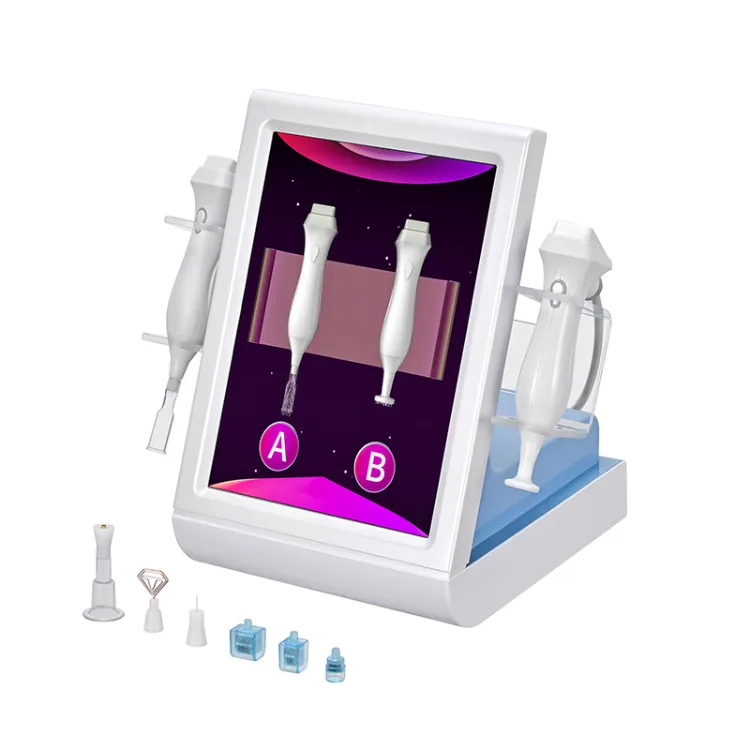
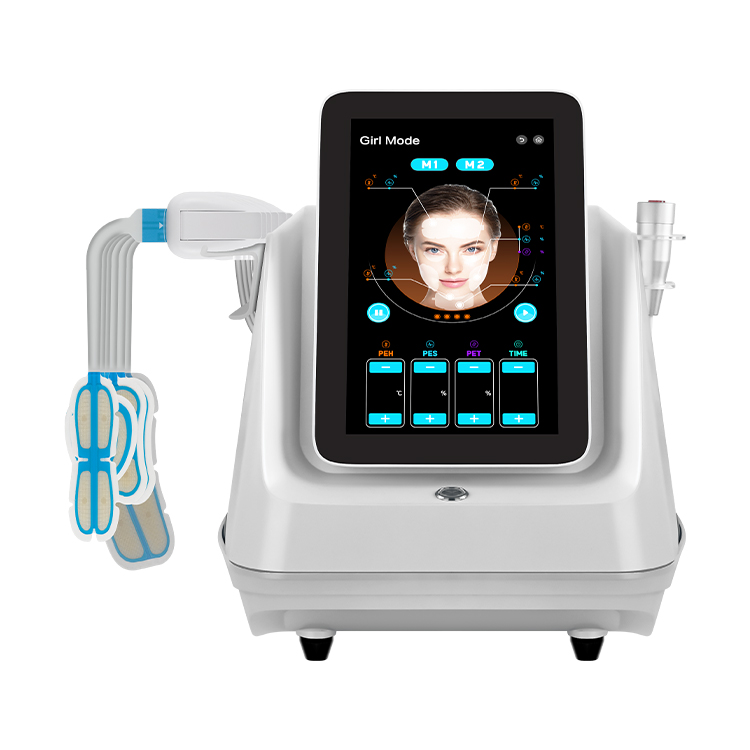
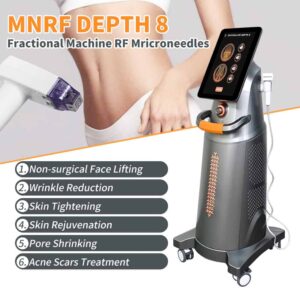
One of the most critical Microneedling RF operation precautions is selecting the correct needle depth. Too shallow, and the treatment may only cause superficial injury without collagen remodeling. Too deep, and there is a risk of nerve irritation, excessive pain, or post-inflammatory hyperpigmentation. Advanced systems that offer computerized depth control and multiple needle configurations allow practitioners to adjust penetration levels accurately for different treatment zones and indications, such as deep tissue tightening or surface resurfacing.
https://shefmon.com/product/a0157-mmrf-deepth-8-microneedling-rf/
4. Energy Settings Must Match Tissue Type and Treatment Goal
Another common mistake is using high RF power indiscriminately. Higher energy does not always mean better results. Dense fibrous tissue may require stronger thermal stimulation, while thinner skin responds better to moderate energy delivered precisely. The goal is controlled coagulation, not excessive thermal damage. Proper Microneedling RF operation involves balancing depth, power, and pulse duration to achieve uniform heating without hotspots.
5. Treatment Technique Directly Affects Outcome Consistency
Correct handpiece handling is often underestimated. The applicator should maintain stable contact with the skin, with consistent pressure and overlap control. Uneven pressure can result in irregular energy distribution, leading to patchy tightening or uneven texture. Sequential depth targeting, where energy is delivered at multiple depths in a single pass, significantly improves treatment uniformity and reduces total procedure time.
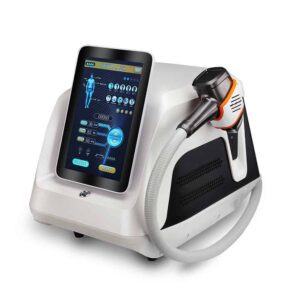
https://shefmon.com/product/a0152-desktop-mmrf-deepth-8-microneedling-rf/
6. Sterility and Skin Preparation Are Essential Precautions
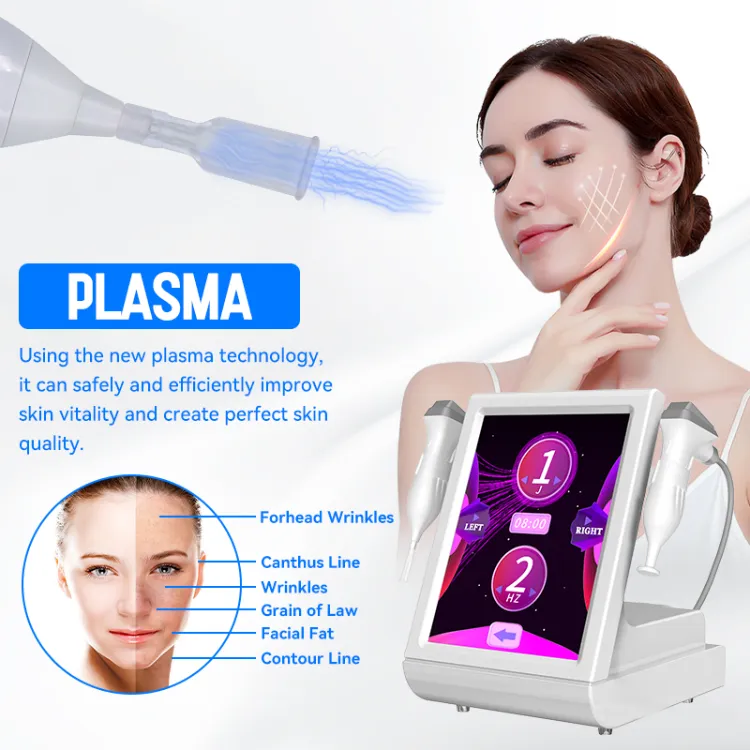
Microneedling RF creates microchannels in the skin, making sterility critical. Improper disinfection or post-treatment contamination increases the risk of infection and prolonged inflammation. Skin should be thoroughly cleansed, disinfected, and free from active infections or severe inflammatory conditions. In some protocols, adjunctive technologies such as cold plasma are used before or after Microneedling RF to enhance sterilization, reduce inflammation, and accelerate recovery.
https://shefmon.com/product/shefmon-coolplasma-cold-fusion-plasma-facial-skin-treatment-beauty-device-a0145/
7. Post-Treatment Care Influences Final Results
Microneedling RF does not end when the device is turned off. Post-treatment care is a vital operational precaution. Patients should be advised to avoid sun exposure, aggressive skincare products, and excessive heat for several days. Hydration, barrier repair products, and anti-inflammatory care help reduce downtime and support collagen regeneration. Neglecting post-care guidance often leads to dissatisfaction, even if the procedure itself was technically correct.
8. Combination Therapy Requires Clear Sequencing
When combining Microneedling RF with other energy-based or regenerative treatments, correct sequencing matters. Performing aggressive treatments too close together can overwhelm the skin’s healing capacity. On the other hand, strategic combination therapy—such as pairing Microneedling RF with plasma-based skin conditioning or topical absorption enhancement—can significantly improve results when performed with proper intervals and protocols.
9. Operator Training Determines Safety and Efficacy
Even the most advanced Microneedling RF systems rely on the skill of the operator. Comprehensive training on anatomy, depth mapping, and device-specific features is essential. Practitioners should continuously refine their technique and stay updated on evolving protocols. Many reported “technology failures” are actually training-related issues.
Final Thoughts
Microneedling RF is a powerful and versatile treatment, but only when performed correctly. Understanding tissue anatomy, selecting appropriate depths and energy levels, maintaining sterility, and following structured protocols are the true foundations of safe and effective outcomes. By respecting these Microneedling RF operation precautions, practitioners can maximize results, minimize risks, and deliver consistent patient satisfaction.