
















Laser tattoo removal has become the most reliable way to fade or completely remove unwanted tattoos. However, one of the most common questions clients ask before starting treatment is simple: how many laser sessions are really needed? The answer depends on several factors, including tattoo characteristics, skin type, and the laser technology used. Understanding these factors helps set realistic expectations and ensures better treatment planning.
1. How Laser Tattoo Removal Works
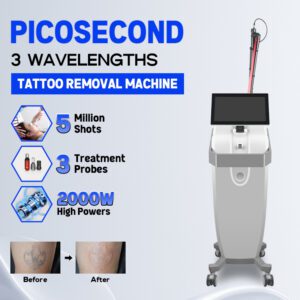
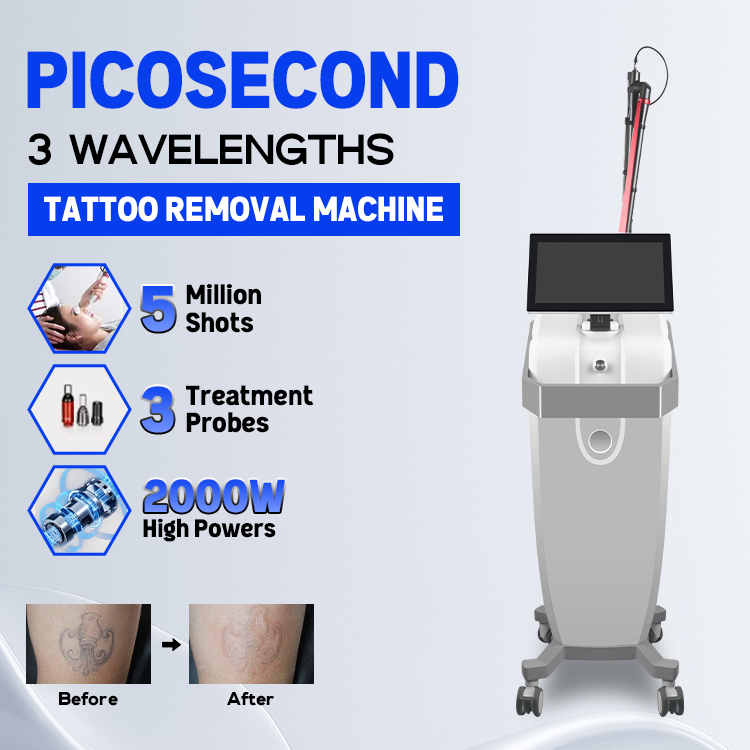
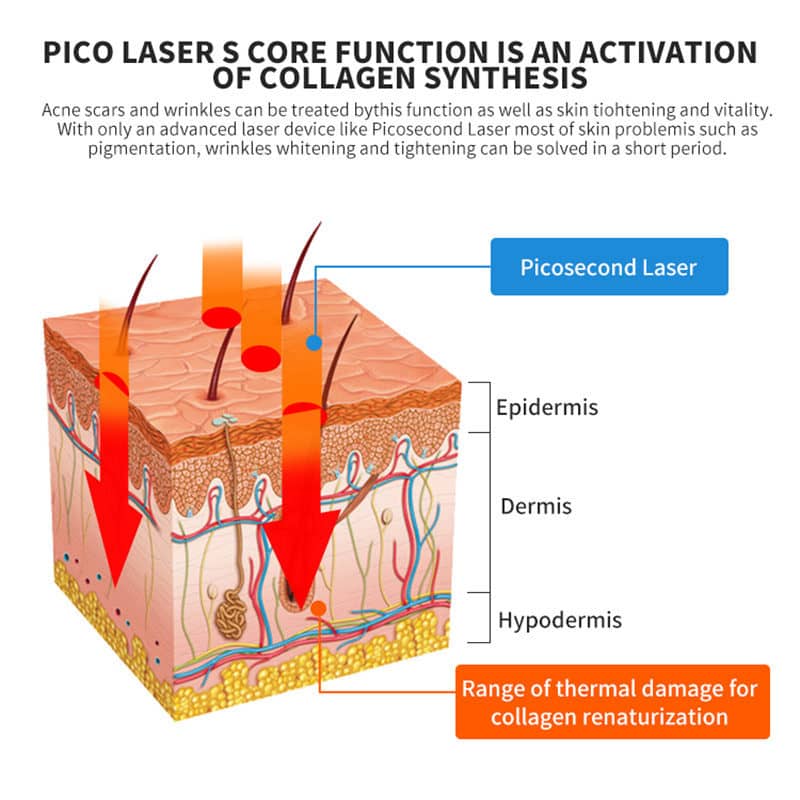
Laser tattoo removal works by delivering high‑energy light pulses into the skin. These pulses target tattoo pigment and break it into tiny particles. Once fragmented, the body’s immune system gradually removes the ink through natural metabolic processes. Modern picosecond laser systems use ultra‑short pulse durations, which allows them to shatter ink more efficiently while minimizing heat damage to surrounding skin. This makes treatments safer and often more effective than older laser technologies. The A0507 1064nm 532nm Q‑Switched Super Picosecond YAG Laser Tattoo Removal system is designed to address both dark and bright ink colors using dual wavelengths, making it suitable for a wide range of tattoo types.
إزالة الوشم بالليزر A0507 1064 نانومتر 532 نانومتر Q-switched Super Picosecond Picosure Yag
2. Why Tattoo Removal Requires Multiple Sessions
Tattoo ink cannot be removed all at once because the skin needs time to heal and process broken pigment after each treatment. During a single session, only a portion of the ink is fragmented. The immune system then gradually clears those particles over several weeks. This is why laser treatments are usually spaced 6–8 weeks apart.
Rushing sessions too closely together does not speed up results and can increase the risk of side effects such as irritation, blistering, or pigmentation changes. Consistent spacing allows for safer healing and better long‑term outcomes.
3. Average Number of Laser Tattoo Removal Sessions
While individual results vary, most clients fall into one of the following ranges:
3.1 Small or Simple Tattoos
Minimalist designs or tattoos with light ink density may require around 4–6 sessions. Black ink in particular responds well to laser treatment and often fades faster.
3.2 Medium‑Sized Professional Tattoos
Most professional tattoos require approximately 6–10 sessions for significant fading or near‑complete removal. These tattoos typically contain deeper and more concentrated pigment.
3.3 Large or Multicolored Tattoos
Complex tattoos with multiple colors or heavy ink saturation may require 10–15 sessions or more. Certain colors, such as green, yellow, and light blue, are more resistant and need additional treatments.
4. Factors That Influence How Many Sessions You Need
4.1 Tattoo Color and Ink Type
Dark inks absorb laser energy more effectively, making them easier to remove. Bright and mixed colors may require multiple wavelengths and more sessions to achieve satisfactory results.
4.2 Tattoo Size and Ink Depth
Larger tattoos naturally require more sessions due to the greater volume of ink. Tattoos placed deeper into the skin or applied by professional artists tend to take longer to remove.
4.3 Tattoo Age
Older tattoos are often easier to remove because some pigment has already broken down over time. Newer tattoos usually contain fresher, denser ink and may require additional sessions.
4.4 Body Location
Tattoos on areas with strong blood circulation, such as the chest or upper arms, typically fade faster. Tattoos on hands, feet, or lower legs often take longer because circulation is reduced.
4.5 Skin Type and Immune Response
Each person’s immune system reacts differently to laser treatment. A strong immune response helps remove ink particles more efficiently. Skin type also affects how aggressively lasers can be used while maintaining safety.
5. What to Expect Between Tattoo Removal Sessions
After each session, the treated area may appear red or swollen, similar to a mild sunburn. Over the following weeks, fading becomes more noticeable as the body removes the shattered ink. Proper aftercare — including sun protection, hydration, and avoiding irritation — plays a crucial role in achieving optimal results.
Clients should understand that tattoo removal is a gradual process. Patience and consistency are key, and skipping sessions or ignoring aftercare instructions can slow progress.
6. Can Picosecond Lasers Reduce the Number of Sessions?
Compared to traditional Q‑switched lasers, picosecond laser systems often require fewer sessions because they break ink into much smaller particles. This improved efficiency allows the immune system to clear pigment more easily. While no laser can guarantee complete removal in a fixed number of sessions, advanced picosecond technology significantly improves overall treatment efficiency.
خاتمة
So, how many laser tattoo removal sessions do you really need? For most people, the answer falls between 6 and 10 treatments, though some tattoos may require fewer or more sessions depending on size, color, location, and individual healing response. With advanced picosecond laser systems, results are often faster, safer, and more predictable. By understanding the factors involved and committing to a personalized treatment plan, clients can approach tattoo removal with realistic expectations and confidence.