



العلاج بالموجات الصدمية is widely used for treating chronic pain and musculoskeletal conditions, but one of the most common questions patients ask is how long the results actually last. The answer depends on several factors, including the condition being treated, treatment protocols, lifestyle habits, and whether shockwave therapy is combined with supportive therapies. This article provides a realistic, patient-focused explanation of what to expect from shockwave therapy over time.

1. Understanding the Nature of Shockwave Therapy Results
Shockwave therapy works by delivering acoustic waves into injured or painful tissue to stimulate blood flow, break down calcifications, and activate the body’s natural healing response. Unlike painkillers, which provide temporary symptom relief, shockwave therapy aims to address the underlying cause of pain. Because of this, results often develop gradually rather than immediately.
Patients typically begin to notice improvement after several sessions, with continued progress occurring even after treatment has ended. This delayed response is normal and reflects the body’s ongoing tissue repair process.
2. Short-Term Results: What Happens After Treatment Ends
In the short term, many patients experience pain relief within a few weeks of completing a shockwave therapy course. Reduced inflammation, improved mobility, and decreased tenderness are common early outcomes. These results may last anywhere from several weeks to a few months, depending on how the body responds.
It is important to understand that shockwave therapy does not stop the aging process or prevent future strain. Short-term improvements are strongest when patients follow post-treatment guidance, such as avoiding excessive stress on the treated area.
3. Long-Term Results: How Long Can Benefits Last?
For many chronic conditions, shockwave therapy results can last from several months to over a year. In cases where tissue healing is successfully stimulated and the underlying cause of pain is addressed, some patients experience long-term or even permanent improvement.
However, results are not guaranteed to last forever. Conditions caused by repetitive strain, poor biomechanics, or degenerative changes may gradually return if contributing factors are not managed. Shockwave therapy should be viewed as part of a broader recovery strategy rather than a one-time fix.
4. Factors That Influence the Duration of Results
Several factors determine how long shockwave therapy results last. These include the severity and duration of the condition, the number of sessions completed, energy settings used, and individual healing capacity. Patients with long-standing injuries often require more sessions and may experience slower or less durable results.
Lifestyle factors also play a major role. Weight management, physical activity levels, posture, footwear, and workplace ergonomics can either support or undermine treatment outcomes. Patients who actively participate in rehabilitation tend to maintain results longer.
5. Condition-Specific Expectations
Different conditions respond differently to shockwave therapy. Tendon-related conditions such as plantar fasciitis or tennis elbow often show longer-lasting improvements because shockwaves help stimulate collagen regeneration and blood supply. Calcified conditions may improve significantly once deposits are broken down.
In contrast, advanced joint degeneration or nerve-related pain may respond less consistently. In these cases, shockwave therapy may provide symptom relief without fully resolving the underlying pathology, limiting how long results last.
6. The Role of Maintenance and Repeat Treatments
Some patients choose periodic maintenance sessions to sustain results, especially if they have physically demanding jobs or athletic lifestyles. Maintenance treatments can help manage flare-ups and prevent pain from returning to previous levels.
Repeat courses of shockwave therapy are sometimes recommended if symptoms gradually return. This does not mean the original treatment failed, but rather that ongoing stress has exceeded the body’s ability to maintain healing.

جهاز العلاج بالموجات الصدمية sw12
7. Combining Shockwave Therapy with Other Modalities
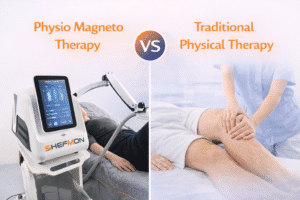
To improve the durability of results, shockwave therapy is often combined with other non-invasive treatments. One complementary approach is magneto therapy, which uses pulsed magnetic fields to enhance circulation, reduce inflammation, and support cellular metabolism. Magneto therapy focuses on improving the internal healing environment, which can help prolong the benefits of shockwave therapy.
Advanced physio magneto therapy systems deliver high-intensity magnetic fields that stimulate tissue regeneration, improve oxygen absorption, and support metabolic balance, making them a valuable addition in rehabilitation and sports injury care.
https://shefmon.com/product/a0247e-pmst-neo-physio-magneto-therapy-machine-for-pain-relief/
8. Patient Expectations vs Reality
A common misunderstanding is expecting shockwave therapy to provide instant and permanent results after one session. In reality, shockwave therapy is a process. Improvements occur gradually and depend heavily on patient compliance, lifestyle changes, and appropriate rehabilitation support.
Patients who understand this are more satisfied with outcomes because their expectations align with how the therapy actually works. Clear communication between clinician and patient is essential to avoid disappointment.
9. Comparing Shockwave Therapy with Other Non-Invasive Options
When compared with other non-invasive therapies, shockwave therapy stands out for its ability to stimulate deep tissue healing. However, therapies such as electromagnetic pain relief treatments focus more on cellular reactivation, circulation enhancement, and pain modulation without mechanical impact.
Electromagnetic therapy can be particularly useful for patients who are sensitive to pain or who require gentler, longer-term support for chronic conditions.
https://shefmon.com/product/a0271e-pmst-neo-electromagnetic-pain-relief-treatment/
خاتمة
So, how long do shockwave therapy results last? For many patients, benefits last several months to over a year, and in some cases much longer. The durability of results depends on condition type, treatment quality, lifestyle factors, and whether supportive therapies are used. Shockwave therapy is most effective when viewed as part of a comprehensive care plan rather than a standalone cure. With realistic expectations and proper follow-up, patients can achieve meaningful and lasting improvements in pain and function.