









Plantar fasciitis is one of the most common causes of heel pain, affecting athletes, workers who stand for long hours, and individuals with foot strain or improper footwear. The condition occurs when the plantar fascia—a thick band of tissue connecting the heel bone to the toes—becomes inflamed or damaged. Patients often experience sharp heel pain when taking their first steps in the morning or after long periods of rest. In recent years, extracorporeal shockwave therapy (ESWT) has gained attention as a non-invasive treatment for chronic plantar fasciitis and heel pain. ESWT machines deliver acoustic shockwaves to injured tissues to stimulate healing and reduce inflammation. Many clinics now use advanced devices such as professional shockwave therapy systems to provide pain relief without surgery or medication. This guide explains how ESWT works, its effectiveness for plantar fasciitis, and why it has become a popular option in physical therapy and rehabilitation clinics.
1. Understanding Plantar Fasciitis and Heel Pain
1.1 What Causes Plantar Fasciitis?
Plantar fasciitis develops when the plantar fascia is repeatedly strained or overloaded. Over time, microtears occur in the tissue, causing inflammation and pain around the heel.
Common risk factors include:
Prolonged standing or walking
High-impact sports such as running
Obesity or rapid weight gain
Poor arch support in footwear
Tight calf muscles or Achilles tendon
The hallmark symptom is stabbing heel pain during the first steps in the morning. As the fascia stretches during the day, pain may temporarily decrease but often returns after extended activity.
1.2 Traditional Treatment Methods
Conventional treatments for plantar fasciitis usually include:
Rest and activity modification
Stretching exercises and physiotherapy
Orthotic shoe inserts
Anti-inflammatory medications
Corticosteroid injections
While many patients recover with conservative treatment, some experience persistent symptoms lasting more than six months. In these chronic cases, advanced therapies like ESWT may be recommended.

2. What Is ESWT and How Does It Work?
2.1 The Principle of Extracorporeal Shockwave Therapy
Extracorporeal shockwave therapy (ESWT) is a non-invasive procedure that uses high-energy acoustic waves to stimulate healing in damaged tissues. These waves are generated outside the body and transmitted through the skin to the affected area.
When applied to the plantar fascia, shockwaves create controlled microtrauma that stimulates the body’s natural repair processes.
Key biological effects include:
Increased blood circulation in the treated area
Stimulation of collagen production
Activation of tissue regeneration
Reduction of pain signal transmission
The shockwave pulses can also break down calcified tissue and trigger cellular repair mechanisms.
2.2 Types of ESWT Technology
There are two main types of shockwave therapy used in clinics:
العلاج بالموجات الصدمية المركزة – Delivers energy to a specific depth with high precision.
Radial Shockwave Therapy – Spreads energy over a larger treatment area.
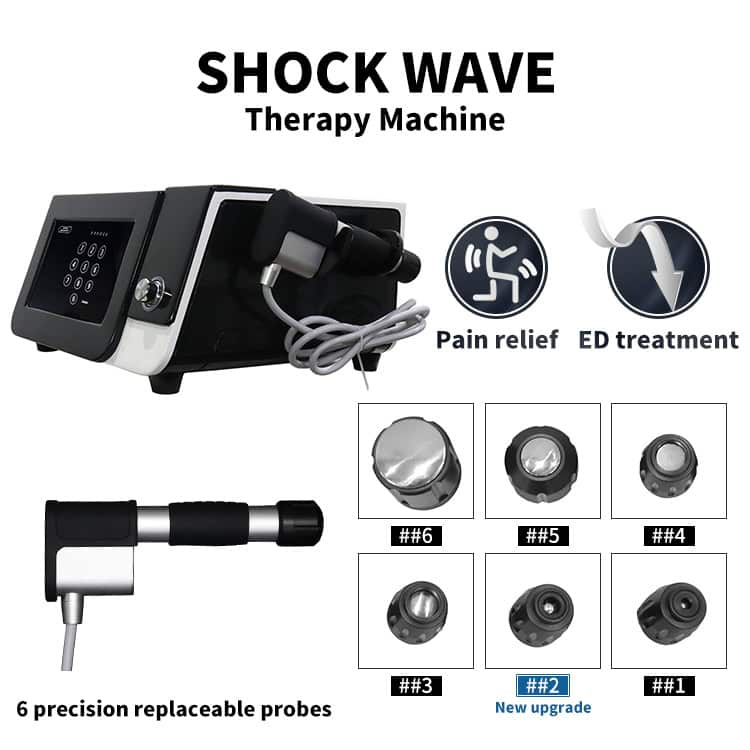
Professional treatment devices such as the SW12 ESWT Pain Relief Focus Shockwave Therapy Machine combine advanced energy control and adjustable parameters, allowing practitioners to customize treatments for plantar fasciitis, tendon injuries, and chronic pain conditions.
https://shefmon.com/product/sw12-eswt-pain-relieve-focus-shockwave-treatment-tecar-shock-wave-laser-therapy/
3. Clinical Evidence for ESWT in Treating Plantar Fasciitis
3.1 Research Findings on Pain Reduction
Multiple clinical studies have evaluated the effectiveness of ESWT for chronic plantar fasciitis. Research shows that many patients experience significant improvements in pain and mobility after treatment.
Some studies report success rates ranging from 34% to 88%, depending on treatment protocols and patient conditions.
In another clinical analysis, approximately 87% of patients reported successful outcomes after shockwave therapy, with notable reductions in heel pain scores.
These findings suggest that ESWT can provide meaningful relief for patients who have not responded to traditional therapies.
3.2 Improvement in Long-Term Function
Shockwave therapy may also support long-term recovery. Some studies indicate sustained pain reduction and improved walking ability months or even years after treatment. For example, clinical follow-ups have shown pain levels dropping significantly and remaining low after therapy, with many patients reporting improved daily activity levels and reduced morning heel pain. However, results may vary depending on treatment intensity, patient health, and the duration of the condition.
جهاز العلاج بالموجات الصدمية sw12
4. Benefits of Using ESWT for Heel Pain
4.1 Non-Invasive Treatment
One of the biggest advantages of ESWT is that it does not require surgery. The treatment is performed externally without incisions or injections, reducing the risks associated with invasive procedures.
4.2 Minimal Recovery Time
Most ESWT sessions last between 15 and 30 minutes, and patients can typically return to normal activities shortly after treatment. This makes it an attractive option for busy individuals and athletes.
4.3 Stimulates Natural Healing
Instead of simply masking pain, shockwave therapy stimulates the body’s biological repair mechanisms. By increasing blood flow and tissue regeneration, it helps address the underlying cause of plantar fascia damage.
4.4 Versatile Pain Treatment
In addition to plantar fasciitis, ESWT machines are widely used to treat other musculoskeletal conditions, including:
التهاب وتر أخيل
مرفق لاعب التنس
تكلس الكتف
Chronic muscle injuries
Devices like the SW12 ESWT therapy system allow clinics to expand their treatment options and offer non-surgical solutions for multiple pain conditions.

جهاز العلاج بالموجات الصدمية sw12
5. What to Expect During an ESWT Treatment
5.1 Treatment Procedure
A typical ESWT treatment session involves the following steps:
The practitioner locates the painful area on the heel.
A conductive gel is applied to improve energy transmission.
The shockwave applicator is placed on the skin.
Acoustic pulses are delivered for several minutes.
Most patients feel mild discomfort or tapping sensations during treatment, but the procedure is generally well tolerated.
5.2 Number of Sessions Required
Treatment protocols vary, but most patients require 3-6 جلسات spaced about one week apart. Gradual improvements in pain and mobility are usually noticed over several weeks.
Some patients experience temporary soreness after treatment, which is a normal response as the body initiates the healing process.
خاتمة
Extracorporeal shockwave therapy has become an increasingly popular option for treating plantar fasciitis and chronic heel pain. By delivering acoustic energy to injured tissues, ESWT stimulates blood flow, collagen production, and natural tissue repair. Clinical studies show that many patients experience significant pain reduction and improved mobility after a series of treatments. For clinics and rehabilitation centers, advanced systems such as the SW12 ESWT shockwave therapy device provide an effective non-invasive solution for managing musculoskeletal pain conditions. While results may vary depending on individual factors, ESWT remains a promising therapy for patients seeking relief from persistent plantar fasciitis without surgery or long recovery times.