









Can You Do RF on Yourself? A Complete Guide to Safe At-Home Radio Frequency Skin Tightening
Introduction to RF Skin Tightening
What Is RF (Radio Frequency) Treatment?
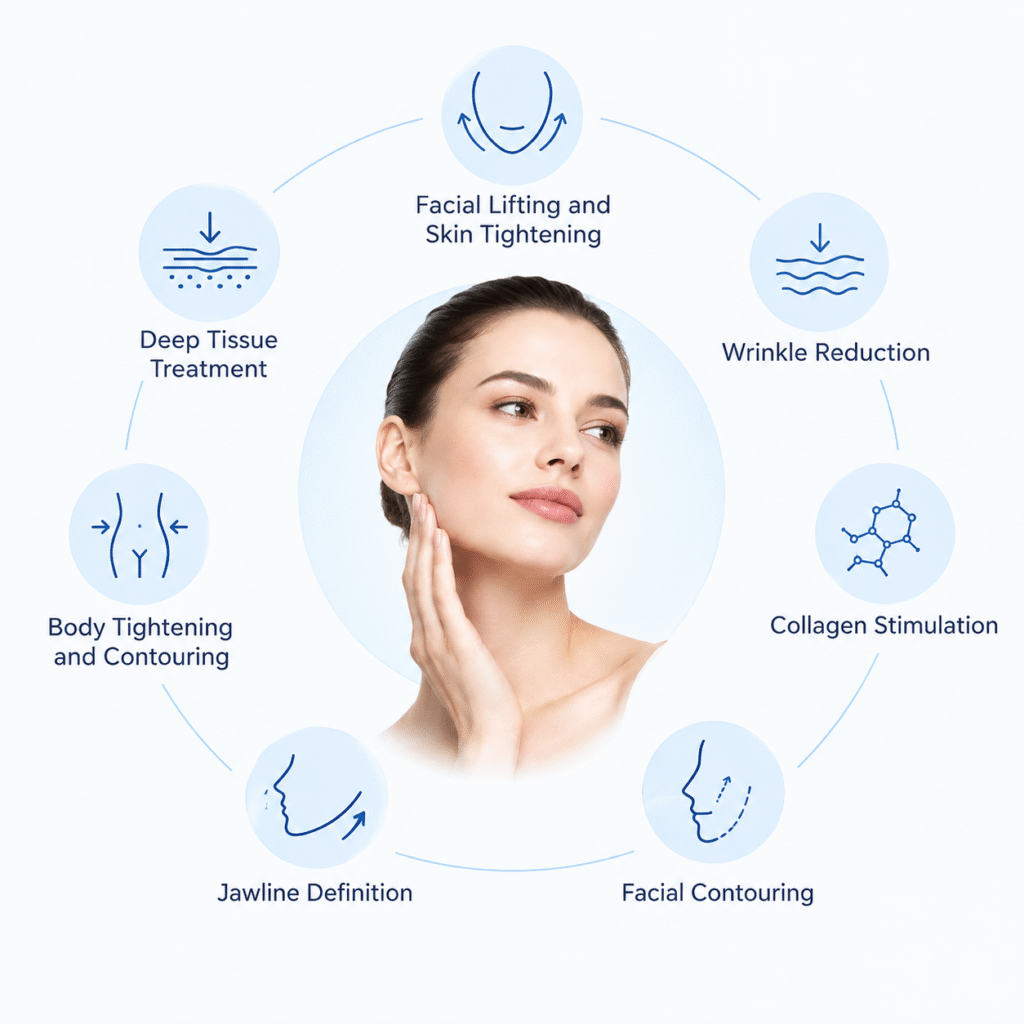
RF treatment uses controlled radio frequency waves to heat the deeper layers of your skin. This heat stimulates collagen production, tightens loose skin, and improves texture. Think of it as a gentle internal workout for your skin—warming it up to encourage rebuilding and firming.
Why RF Has Become Popular in Beauty Trends
People love RF because it delivers visible tightening without needles, downtime, or pain. It’s non-invasive, comfortable, and suitable for almost all skin types. With celebrities and influencers sharing their RF routines, demand has grown massively.
Professional vs. At-Home RF Systems
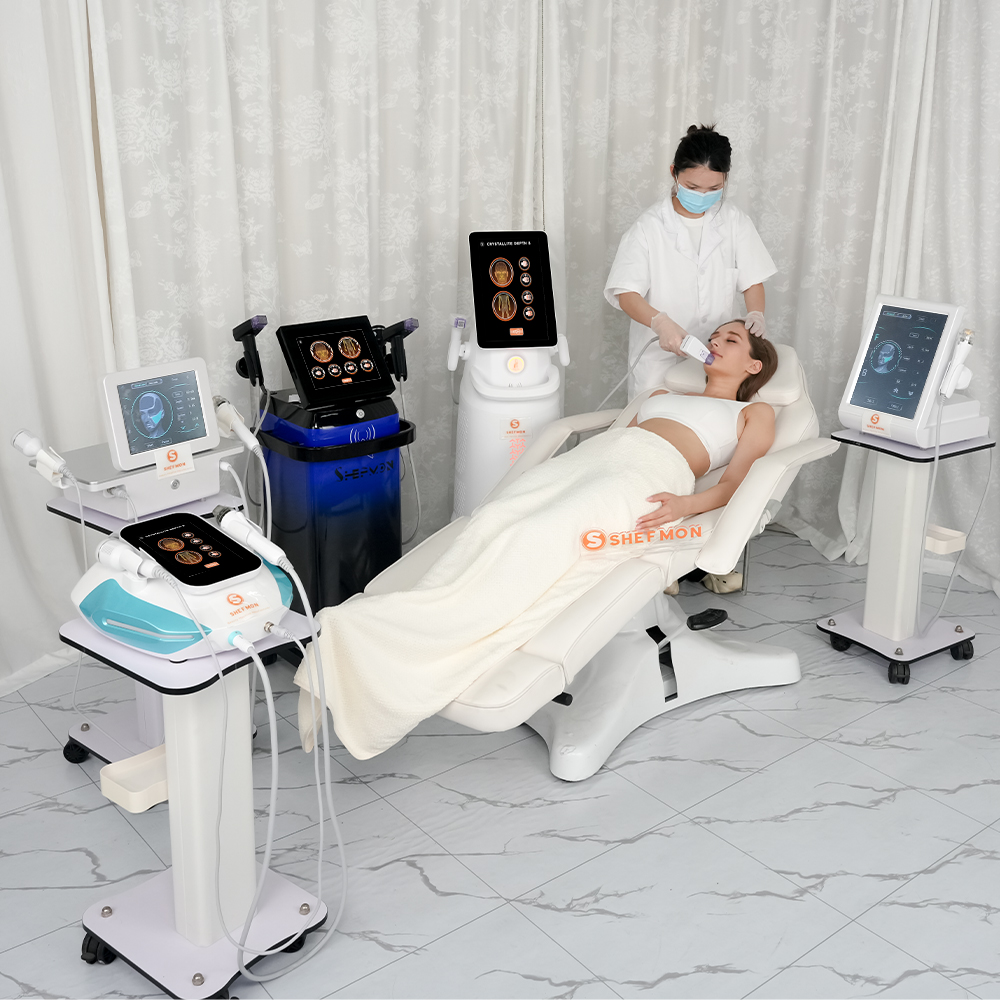
Professional RF machines found in clinics are stronger and penetrate deeper into the skin. At-home devices use lower energy levels, making them safer for beginners but still effective with consistent use.
Can You Really Do RF on Yourself?
Is It Safe to Use RF Devices at Home?
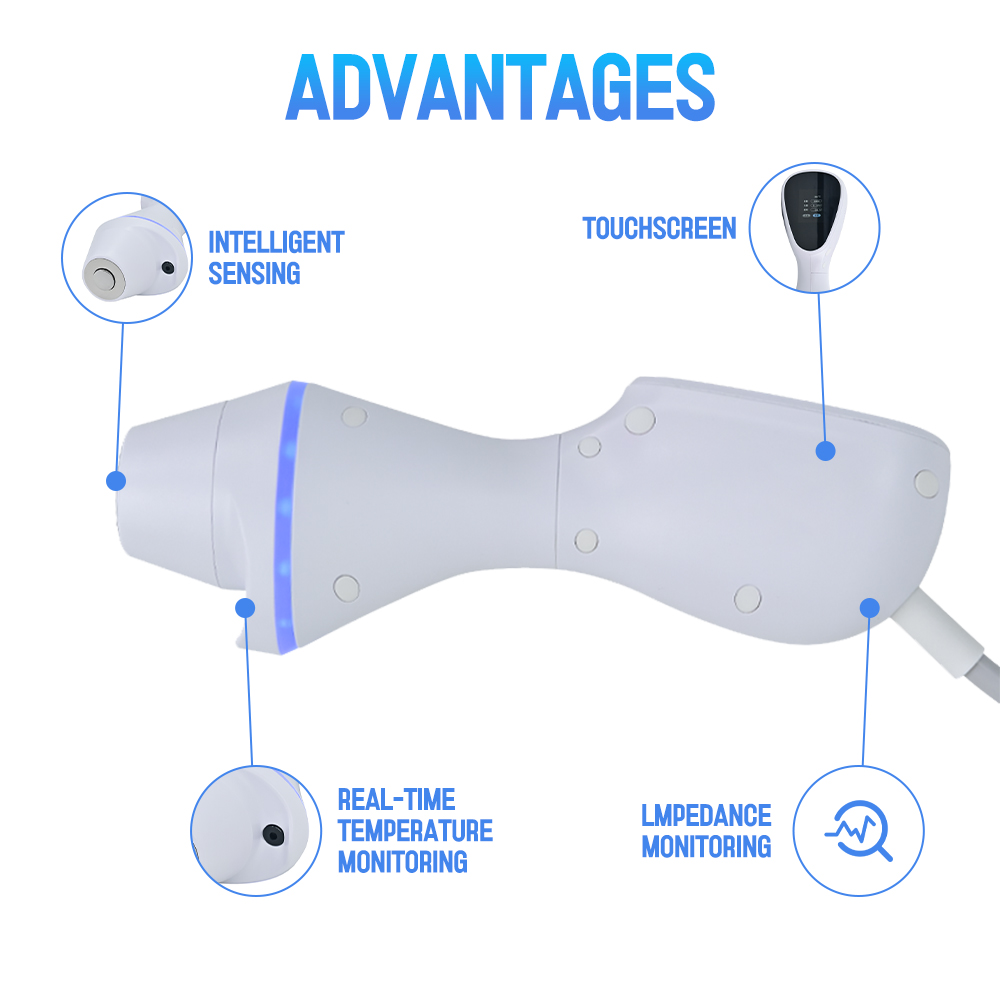
Yes—most modern at-home RF devices are safe when used correctly. They’re designed with limited energy output, auto-shutoff systems, and temperature control to prevent burns. As long as you follow the instructions, RF is one of the safest DIY beauty treatments you can do at home.
Who Should Avoid At-Home RF Treatments?
You should avoid RF if you:
Are pregnant
Have metal implants in the treatment area
Have active acne, infections, or open wounds
Have heart conditions or a pacemaker
If you’re unsure, always check with a professional first.
What Skin Concerns Can You Treat Yourself?
RF is great for:
Mild to moderate skin laxity
Fine lines and wrinkles
Facial contouring
Jawline tightening
Neck firming
Under-eye tightening (using devices approved for this area)
Benefits of Doing RF on Yourself
Tighter, Firmer Skin
RF boosts collagen and elastin, making your skin look lifted and toned.
Collagen Boosting Effects
Regular sessions encourage the skin to rebuild itself over time—like hitting the gym for your face.
Non-Invasive & Painless
Most people describe RF as a warm massage. No needles, no recovery, no redness.
Cost-Effective Compared to Clinic Treatments
Clinic sessions can cost $150–$350 each. An at-home device is a one-time purchase that can last years.
How to Do RF on Yourself Step-by-Step
Step 1: Cleanse Your Skin Thoroughly
Remove makeup, oil, and sunscreen. A clean surface ensures deeper RF penetration.
Step 2: Apply RF Gel or Conductive Serum
This prevents friction and allows energy to travel smoothly into your skin.
Step 3: Move the RF Device in Slow Circular Motions
Keep the device moving to avoid overheating one spot. Slow, controlled movements give the best results.
Step 4: Treat Each Area for 5–10 Minutes
Common areas include:
Cheeks
Jawline
Neck
Forehead
Under eyes (if allowed by the device)
Step 5: Apply Cooling or Hydrating Products Afterward
Use soothing products like hyaluronic acid, aloe gel, or peptide serums.
At-Home RF Safety Tips
Proper Temperature Control
Your skin should feel warm—not hot or painful. If it stings, reduce the intensity.
Avoiding Sensitive Areas
Avoid the thyroid, eyelids, and areas with broken skin.
How Often You Should Do RF on Yourself
Most devices recommend:
2–3 times per week
For 8–12 weeks
Then 1× weekly for maintenance
Possible Side Effects
Mild side effects include:
Temporary redness
Warmth or slight swelling
Dryness
These usually go away within minutes to hours.
At-Home RF Devices: What to Look For
Power Levels & Energy Settings
More energy doesn’t always mean better. Look for adjustable levels so you can customize your treatment.
FDA-Cleared Devices
Choose devices that are medically tested for safety.
Skin Type Compatibility
Most RF works for all skin tones, but always check manufacturer guidelines.
Warranty & Brand Reliability
Always choose trusted brands with reviews, certificates, and warranty coverage.
What Results to Expect from Doing RF on Yourself
Immediate Effects vs. Long-Term Improvements
You may see slight tightening right away due to heat-induced swelling, but real collagen growth takes time.
How Long Until You See Results?
On average:
First visible results: 4–6 weeks
Full results: 8–12 weeks
Who Gets the Best Results?
People with mild to moderate laxity and consistent routines see the biggest improvements.
Professional RF vs. At-Home RF: Key Differences
Energy Output
Clinic machines are much stronger, giving faster and more dramatic results.
Treatment Depth
Professionals can target deeper skin layers for more advanced tightening.
Price Comparison
At-home devices are more affordable long term, but clinics provide quicker outcomes.
When You Should See a Professional Instead
Go to a clinic if you have:
Significant sagging
Deep wrinkles
Loss of volume
Uneven texture requiring combined treatments
Frequently Asked Myths About DIY RF
“At-Home RF Is Not Effective”
False—consistency matters more than intensity.
“RF Can Burn Your Skin Easily”
Not with modern devices that include temperature sensors.
“You Can Only Get Results at a Clinic”
At-home devices work well for maintenance and mild tightening.
Conclusion
Yes—you can do RF on yourself safely and effectively. With the right device, proper technique, and consistency, at-home RF can give you smoother, tighter, younger-looking skin without clinic visits. While professional treatments deliver more dramatic results, DIY RF is perfect for maintenance or mild firming. Just remember to follow instructions and listen to your skin.
FAQs
1. Is at-home RF safe for daily use?
No—most devices recommend 2–3 sessions per week.
2. Can RF reduce double chin?
Yes, RF helps contour the jawline and tighten loose chin skin.
3. Does RF hurt?
RF feels like a warm massage and is generally painless.
4. Can you do RF if you have Botox or fillers?
Yes, but wait at least two weeks after injectables.
5. Does RF thin the skin?
No—RF thickens the dermal layer by increasing collagen.