









Vaginal Tightening Machines: Technology, Benefits, Safety, and What You Need to Know
Introduction to Vaginal Tightening Technology
Vaginal tightening technology has become a widely discussed topic in modern aesthetic and functional gynecology. Many women explore these treatments after childbirth, hormonal changes, or natural aging affects pelvic comfort and confidence. At the same time, advancements in medical aesthetics have introduced non-surgical options that aim to stimulate tissue repair and improve muscle tone. But how do these systems actually work, and are they truly effective? Understanding the science behind them is essential before making any decisions.
What Is a Vaginal Tightening Machine?
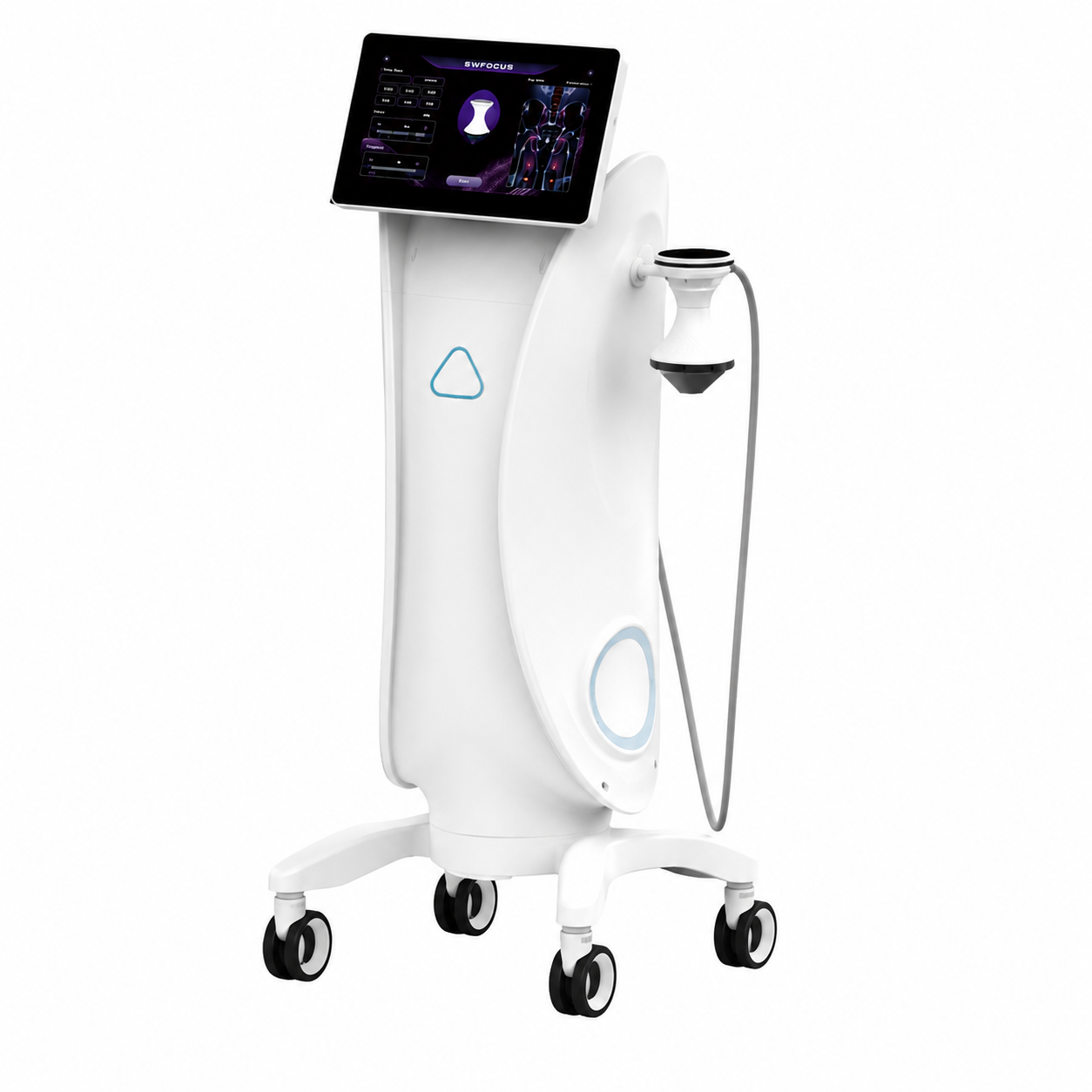
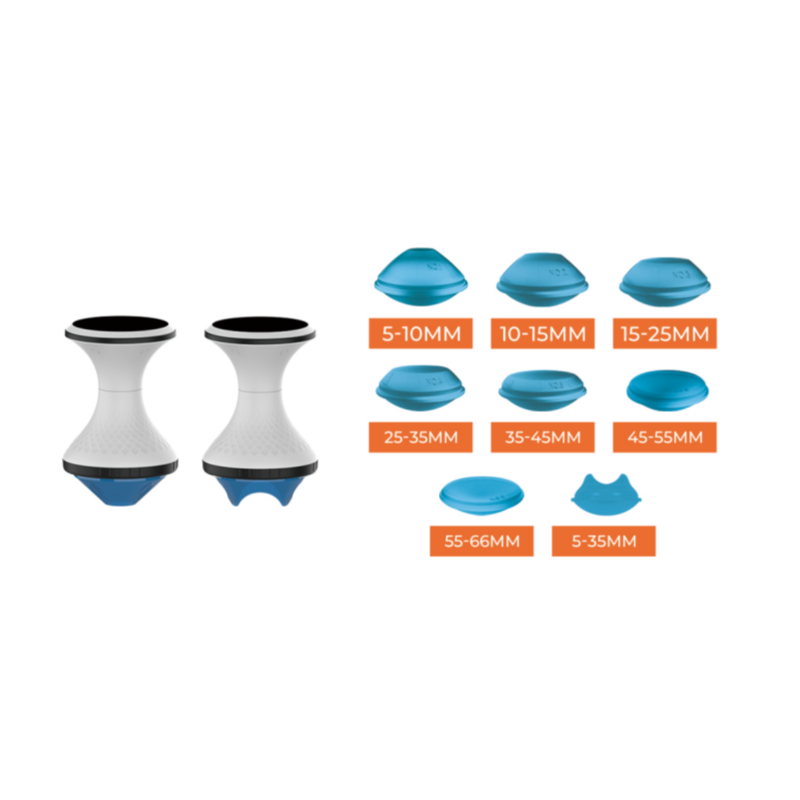
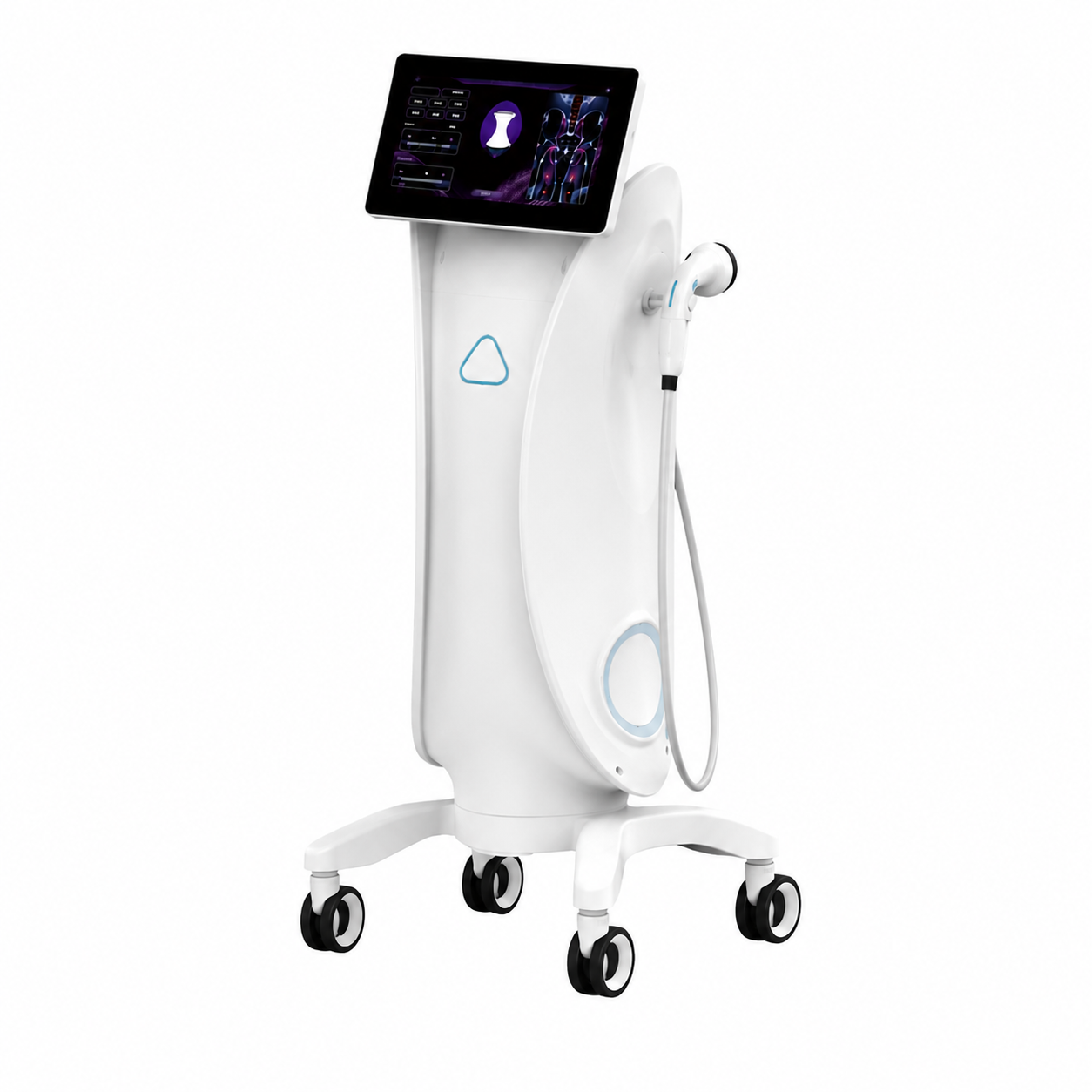
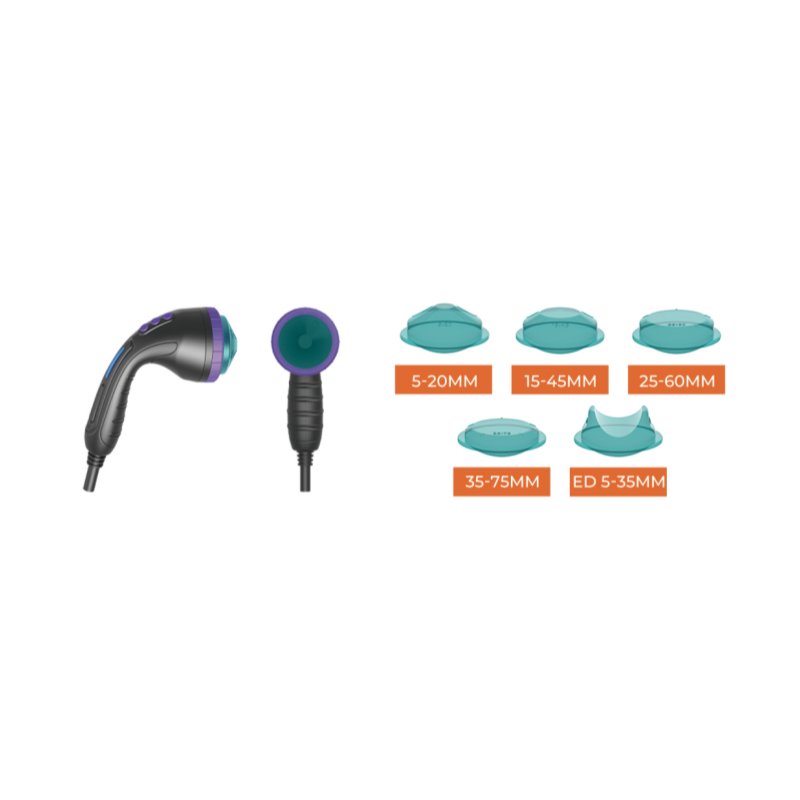
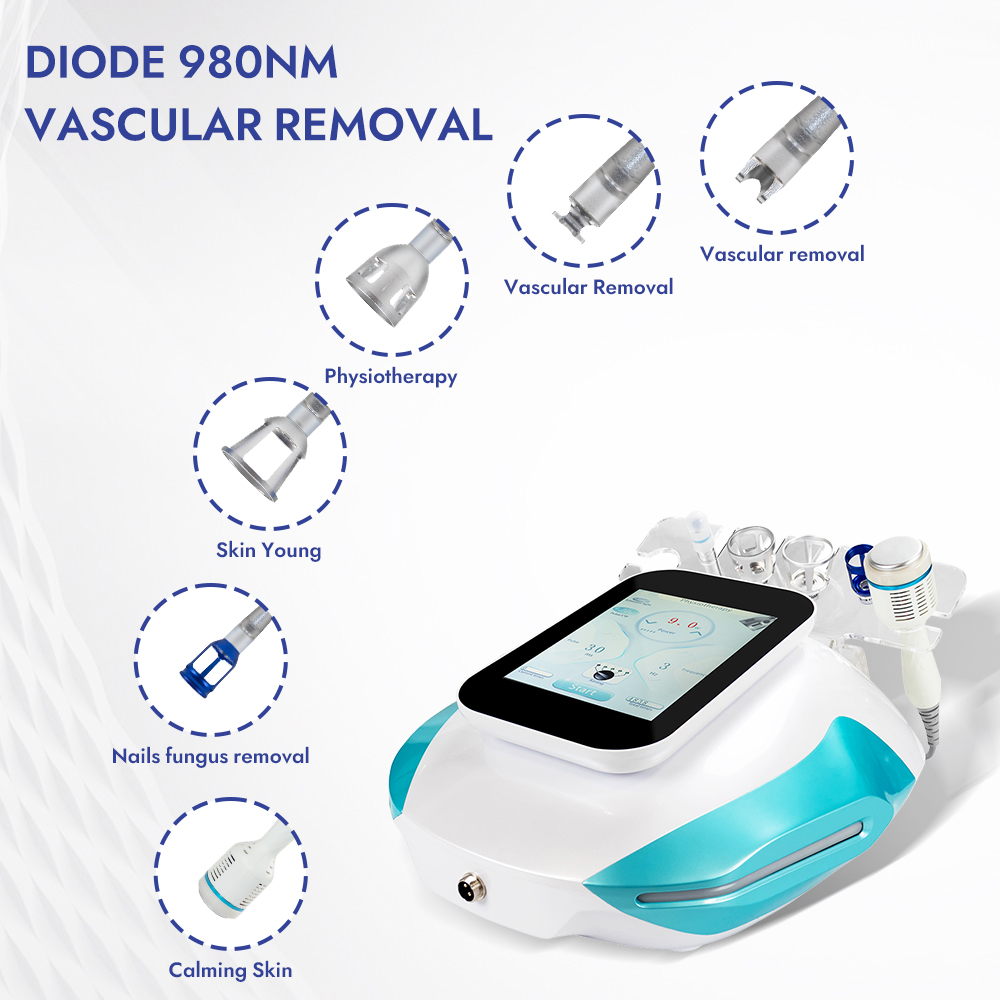
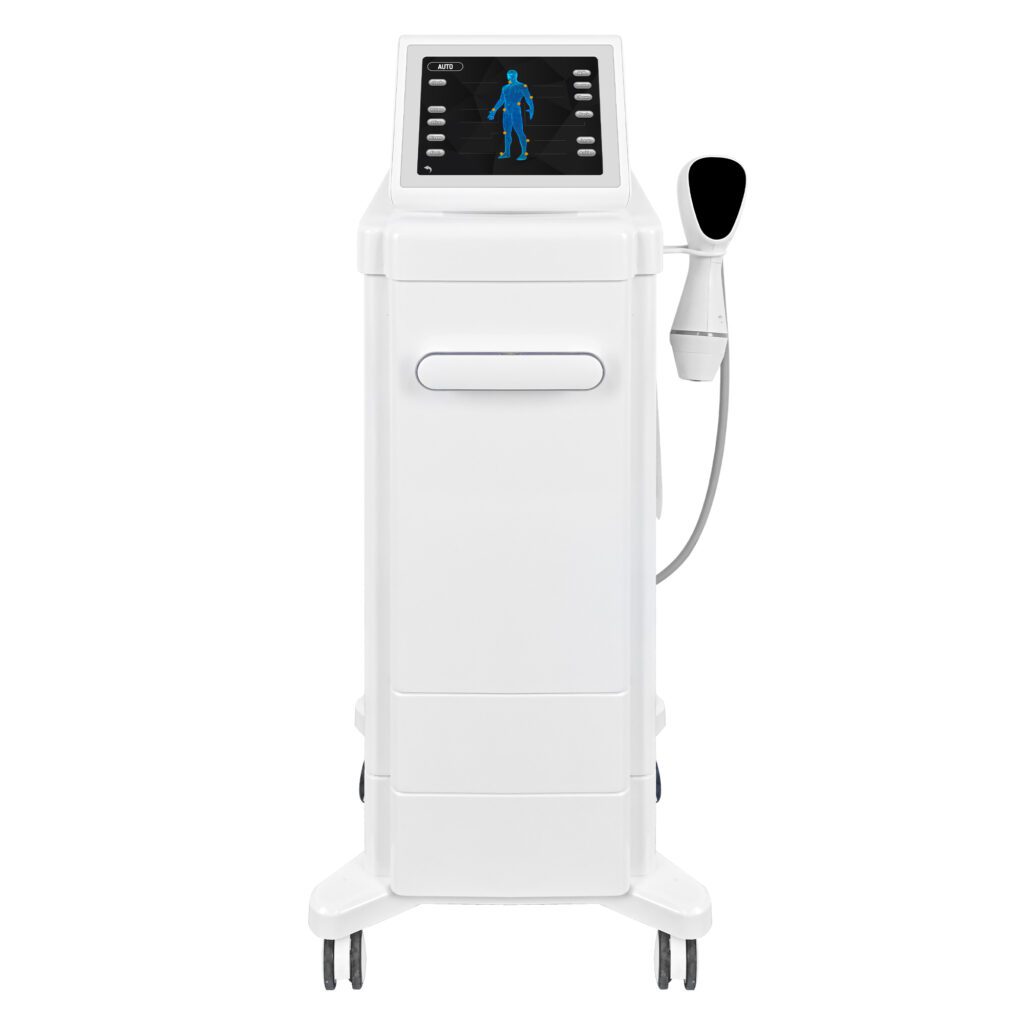
A vaginal tightening machine is a device designed to improve the firmness, elasticity, and overall tone of vaginal and pelvic tissues using controlled energy delivery. These machines are commonly used in clinics, medspas, and in some cases as regulated home devices.
Clinical vs At-Home Devices
Clinical devices are usually operated by trained professionals and use stronger energy outputs like RF or laser. At-home devices, on the other hand, are typically lower in intensity and may include pelvic floor stimulators or EMS-based systems. Both aim to improve muscle tone, but their effectiveness and safety profiles can differ significantly.
How Vaginal Tightening Machines Work
Modern vaginal tightening systems rely on three main technologies: radiofrequency, laser energy, and electrical muscle stimulation.
Radiofrequency (RF) Energy Mechanism
Radiofrequency devices deliver controlled heat into deeper vaginal tissues. This heat stimulates collagen contraction and renewal. Studies show RF energy can safely raise tissue temperatures to around 40–45°C, triggering biological repair processes without surgical intervention .
Laser-Based Vaginal Rejuvenation
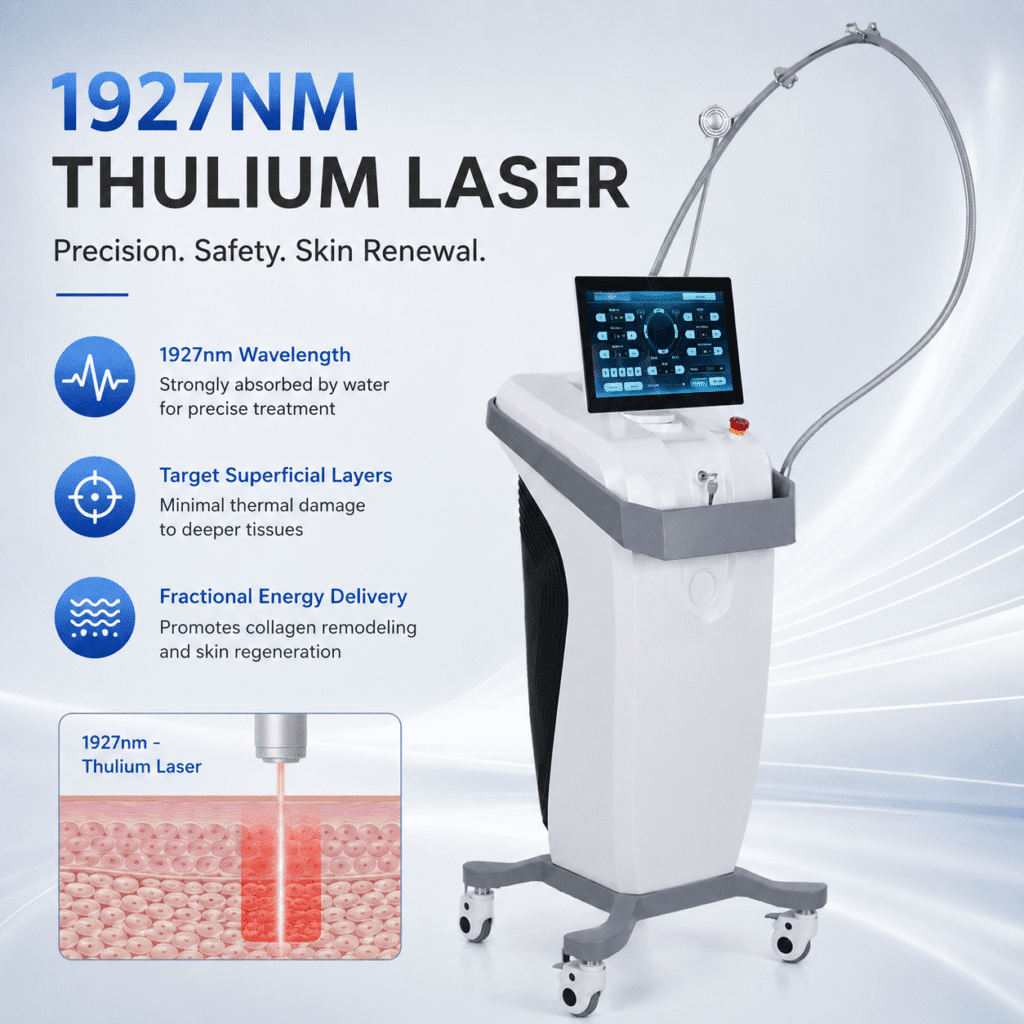
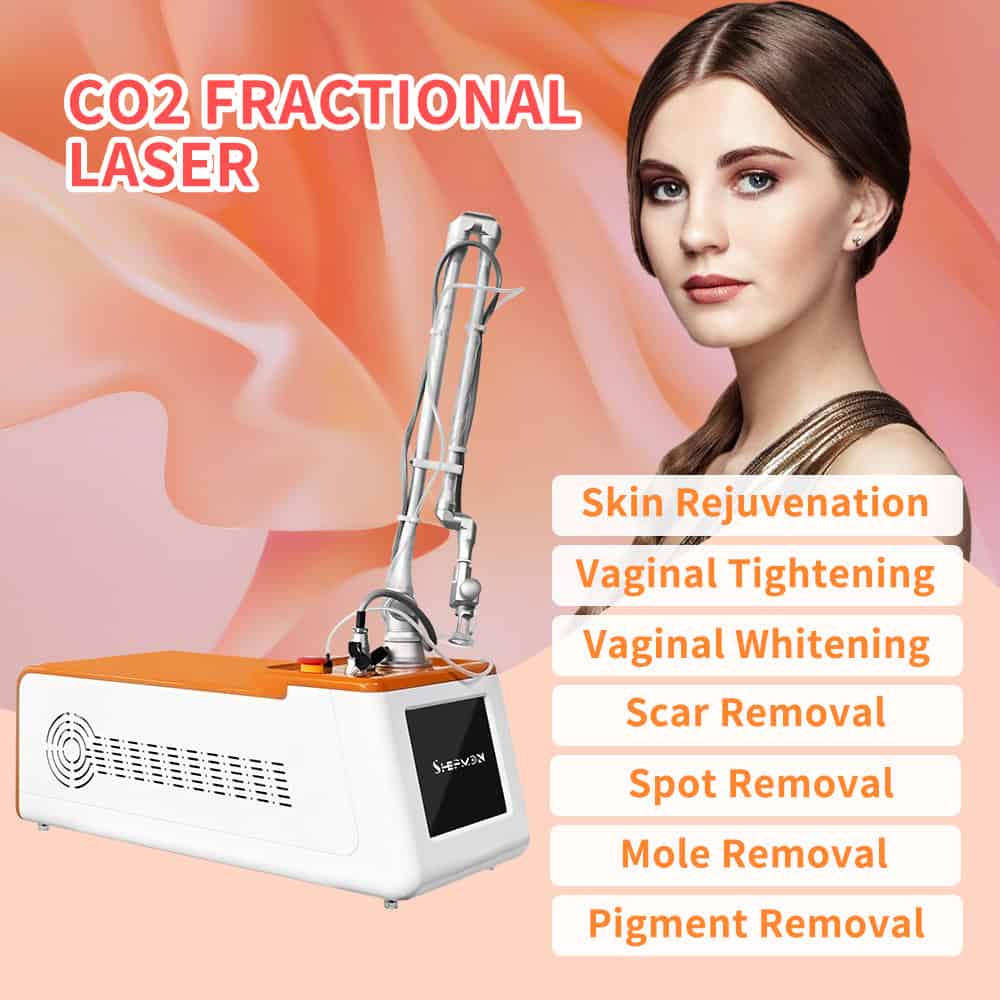
Laser systems create micro-injuries in the tissue lining, which prompts a healing response. This process encourages new collagen formation and improved tissue density. However, clinical evidence on long-term effectiveness remains mixed.
EMS and Pelvic Floor Stimulation
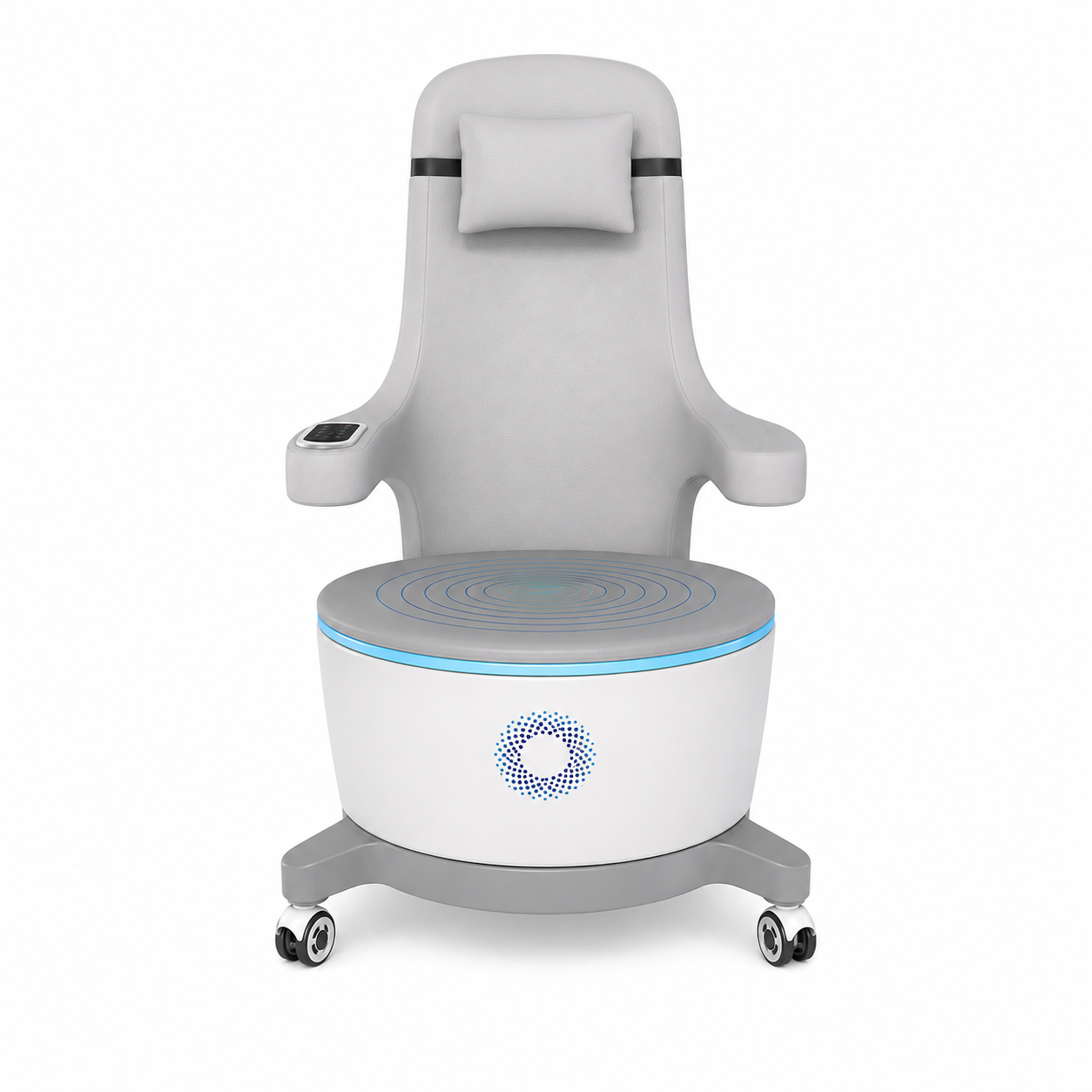
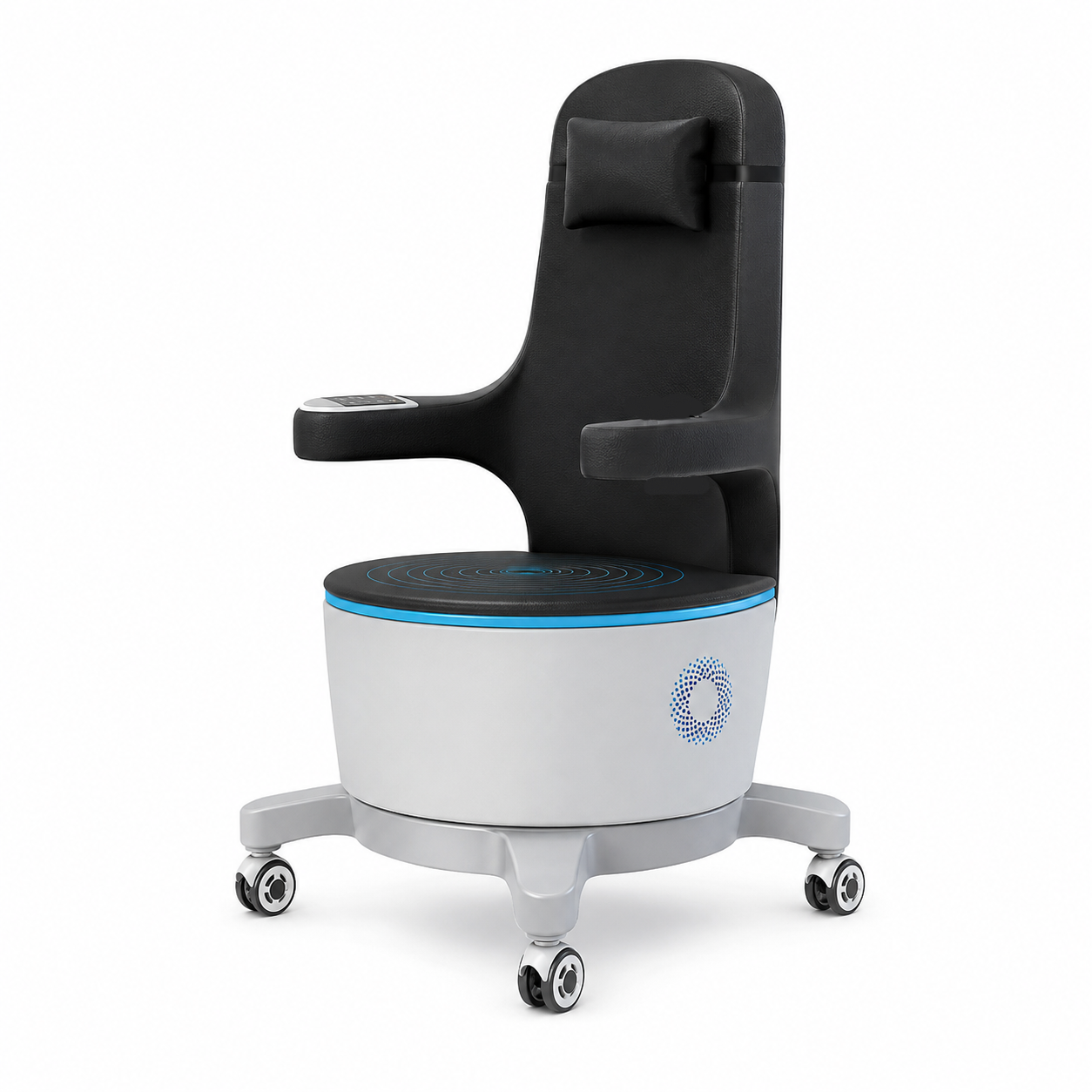
Electrical muscle stimulation (EMS) targets the pelvic floor muscles directly. It forces contractions that mimic Kegel exercises, helping improve muscle awareness and strength. Many users report better muscle activation, especially when combined with physiotherapy routines.
Scientific Principles Behind Tissue Tightening
Collagen Remodeling Process
The key mechanism behind vaginal tightening is collagen remodeling. Collagen is the structural protein responsible for firmness and elasticity in connective tissues. When heat or controlled micro-stimulation is applied, fibroblasts become active and produce new collagen fibers.
Heat Shock Proteins and Regeneration
When tissues are exposed to controlled energy, heat shock proteins are activated. These proteins play a major role in cellular repair and regeneration, helping rebuild stronger and more elastic tissue structures over time.
Key Benefits of Vaginal Tightening Treatments
Improved Pelvic Floor Strength
One of the primary benefits is improved pelvic floor muscle engagement. Stronger muscles can support bladder control, reduce mild urinary leakage, and enhance physical comfort during daily activities.
Enhanced Tissue Elasticity
Another benefit is increased tissue flexibility and elasticity. This can improve comfort during intimacy and reduce sensations of looseness that some women experience after childbirth.
Common Uses in Aesthetic Gynecology
Postpartum Recovery Support
Many women seek vaginal tightening treatments after childbirth when pelvic muscles and tissues may be stretched or weakened. These treatments are often marketed as non-invasive recovery support tools.
Menopause-Related Concerns
Hormonal changes during menopause can lead to dryness and reduced tissue elasticity. Energy-based treatments are sometimes used to stimulate blood flow and improve comfort.
Safety and Side Effects
Potential Risks and Complications
Although many procedures are considered minimally invasive, risks still exist. These may include temporary discomfort, irritation, or, in rare cases, burns if energy levels are not properly controlled.
FDA Warnings Overview
Regulatory agencies have raised concerns about unapproved claims surrounding vaginal rejuvenation technologies. While some devices are cleared for general tissue use, their effectiveness for specific “tightening” claims is still debated in the medical community.
Who Can Benefit From Vaginal Tightening Machines?
These treatments are generally considered for women experiencing mild pelvic floor weakness, postpartum changes, or age-related tissue laxity. However, they are not a replacement for medical treatment in cases of severe pelvic organ prolapse or major dysfunction.
Professional Treatments vs Home Devices
Professional treatments typically use advanced RF or laser systems that penetrate deeper tissue layers. Home devices focus more on surface-level stimulation and muscle activation. While home devices may support pelvic training, clinical results tend to be more noticeable under professional supervision.
Procedure Experience in Clinics
A typical session in a clinic is relatively quick, often lasting 20–40 minutes. Most patients report a warming sensation rather than pain. There is usually no downtime, allowing individuals to resume daily activities immediately.
How Long Do Results Last?
Results vary depending on the individual, device type, and number of sessions. Some users notice improvements after a few treatments, but maintenance sessions are often required to sustain results over time.
Alternatives to Vaginal Tightening Machines
Not all improvements require technology. Many gynecologists recommend:
- Kegel exercises
- Pelvic floor physiotherapy
- Lifestyle adjustments
- Hormonal treatments (when appropriate)
These methods are often considered first-line approaches before device-based therapy.
Cost of Vaginal Tightening Treatments
Costs vary widely depending on location and technology. Clinical sessions can range from moderate to high pricing per treatment, while at-home devices represent a one-time purchase but may offer limited intensity.
Expert Opinions on Effectiveness
Medical opinions are mixed. Some studies suggest improvements in tissue tone and patient satisfaction, while others highlight a lack of strong long-term clinical evidence. Experts generally agree that more research is needed to confirm effectiveness across all patient groups.
Future of Vaginal Rejuvenation Technology
The future of this field is likely to focus on safer energy delivery systems, improved precision, and better clinical validation. As technology evolves, devices may become more targeted and personalized for individual pelvic health needs.
Conclusion
Vaginal tightening machines represent an evolving area of medical aesthetics and pelvic health technology. While they offer promising non-surgical options for improving tissue tone and muscle function, results vary and scientific consensus is still developing. Understanding how these systems work, their benefits, and their limitations is essential for making informed decisions. Women considering these treatments should always consult qualified medical professionals and consider combining technology with traditional pelvic floor therapy for best outcomes.
FAQs
1. Are vaginal tightening machines safe?
Most clinical devices are considered safe when used by trained professionals, but risks still exist if improperly applied.
2. Do results from vaginal tightening last permanently?
No, maintenance sessions and lifestyle support are usually needed to maintain results.
3. Is vaginal tightening painful?
Most users report warmth or mild discomfort rather than pain during treatment.
4. Can I use vaginal tightening machines at home?
Yes, but at-home devices are typically less powerful than clinical systems.
5. What is the most effective natural alternative?
Kegel exercises and pelvic floor physiotherapy remain the most recommended natural methods.