









Pelvic floor EMS (electrical muscle stimulation) has emerged as a popular non-invasive treatment for strengthening pelvic muscles, improving bladder control, and aiding postpartum recovery. As more medical clinics, rehabilitation centers, and beauty wellness facilities adopt this technology, many clients understandably ask: How many sessions of pelvic floor EMS are usually needed to see results? The answer depends on a variety of factors, including the individual’s baseline muscle condition, treatment goals, and the type of EMS device used. This article explores the typical session protocols, how outcomes develop over time, and factors that influence the number of required sessions for optimal results.
1. What Is Pelvic Floor EMS and How It Works
1.1 How EMS Affects Pelvic Floor Muscles
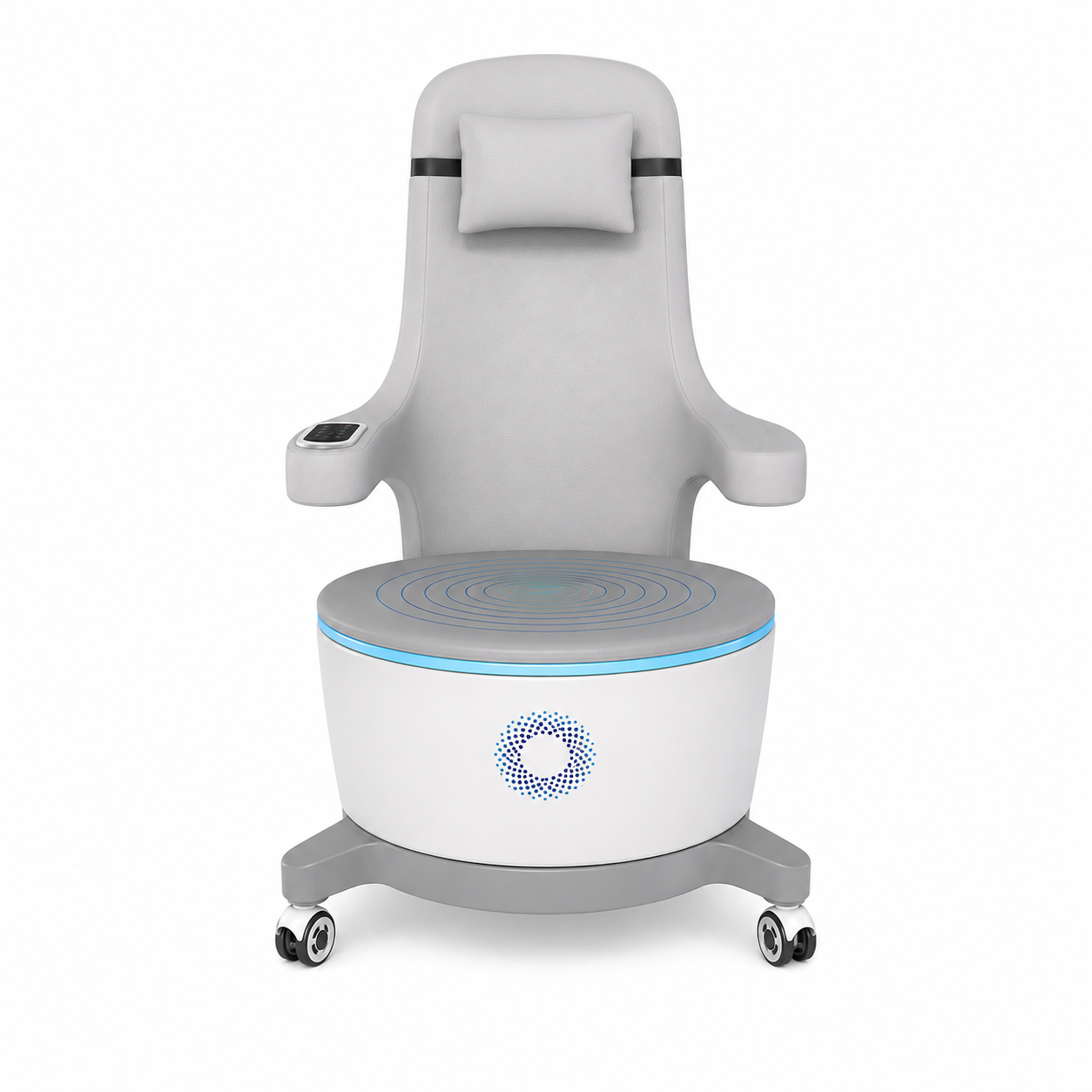
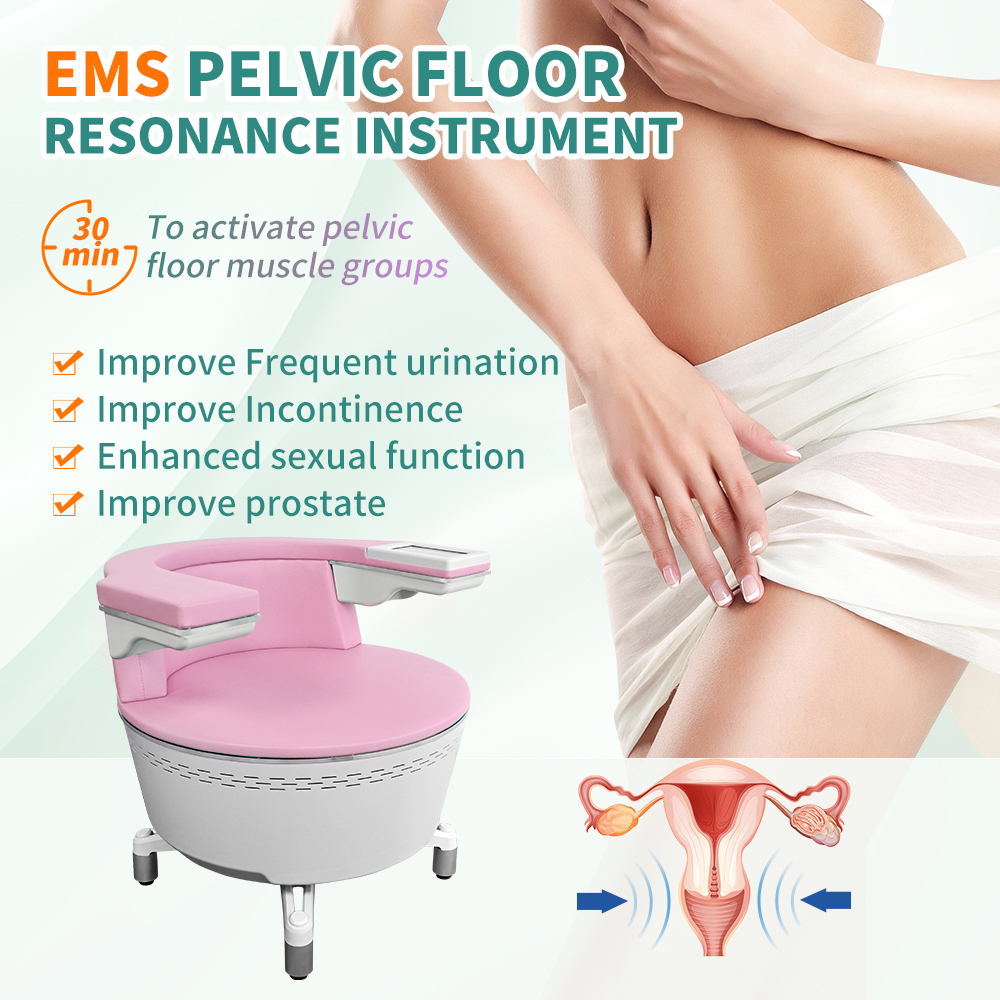
Pelvic floor EMS uses controlled electrical impulses to stimulate the pelvic floor muscles, causing them to contract and relax involuntarily. This stimulation mimics the effects of Kegel exercises but at a much higher intensity and precision, which helps improve muscle tone and neuromuscular activation. The treatment is often administered using a specialized EMS chair or seat that comfortably supports the pelvis while delivering targeted stimulation.
Devices such as the Women’s Postpartum Repair New EMS Chair Pelvic Floor Chair are specifically designed to help women regain pelvic strength after childbirth and improve pelvic health through repeated stimulation sessions.
https://shefmon.com/product/e0435-womens-postpartum-repair-new-ems-chair-pelvic-floor-chair-ems-seat-ems-pelvic-floor-muscle-stimulator/
1.2 Typical Application Areas
Pelvic floor EMS is commonly recommended for conditions such as stress urinary incontinence, postpartum recovery, pelvic muscle weakness, and mild pelvic prolapse. By providing deep muscle stimulation that is difficult to achieve with voluntary exercise alone, EMS treatments support rehabilitation and functional improvement without surgery.
2. Standard Session Frequency and Duration
2.1 Initial Treatment Schedule
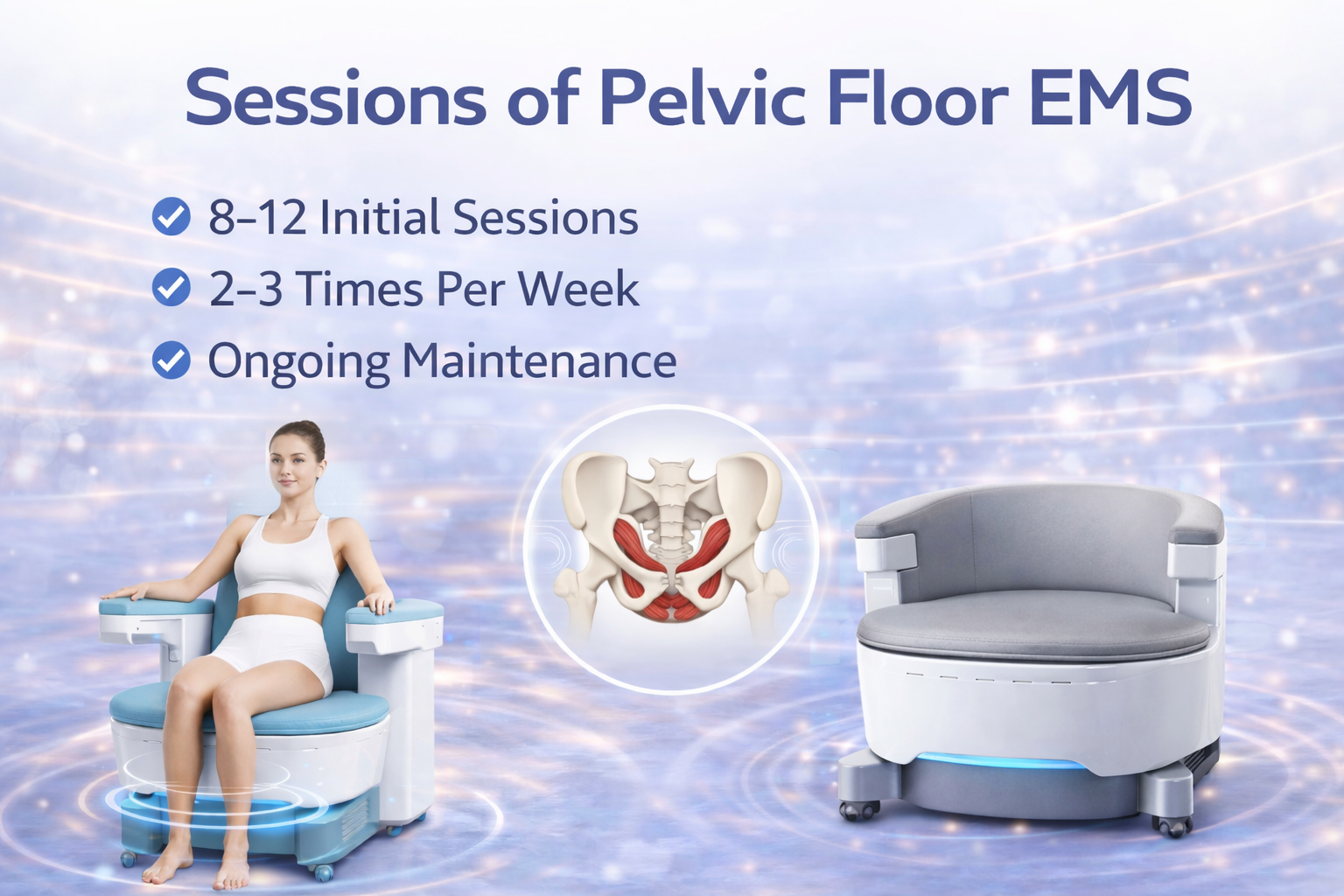
Most practitioners follow a standardized session protocol during the initial phase of pelvic floor EMS treatment. Typically, clients undergo sessions 2 to 3 times per week during the first few weeks. Each session generally lasts around 15 to 30 minutes, depending on the device settings and individual tolerance. This frequency ensures that the muscles receive consistent stimulation while allowing adequate recovery between sessions.
2.2 Typical Number of Sessions
A common recommendation is a course of 8 to 12 sessions for noticeable results. Many clients report improvements in muscle tone and bladder control after the third or fourth session, with more pronounced changes continuing as the treatment progresses. By the end of the 8–12 session course, most individuals experience sustained improvements in pelvic muscle strength and functional symptoms.
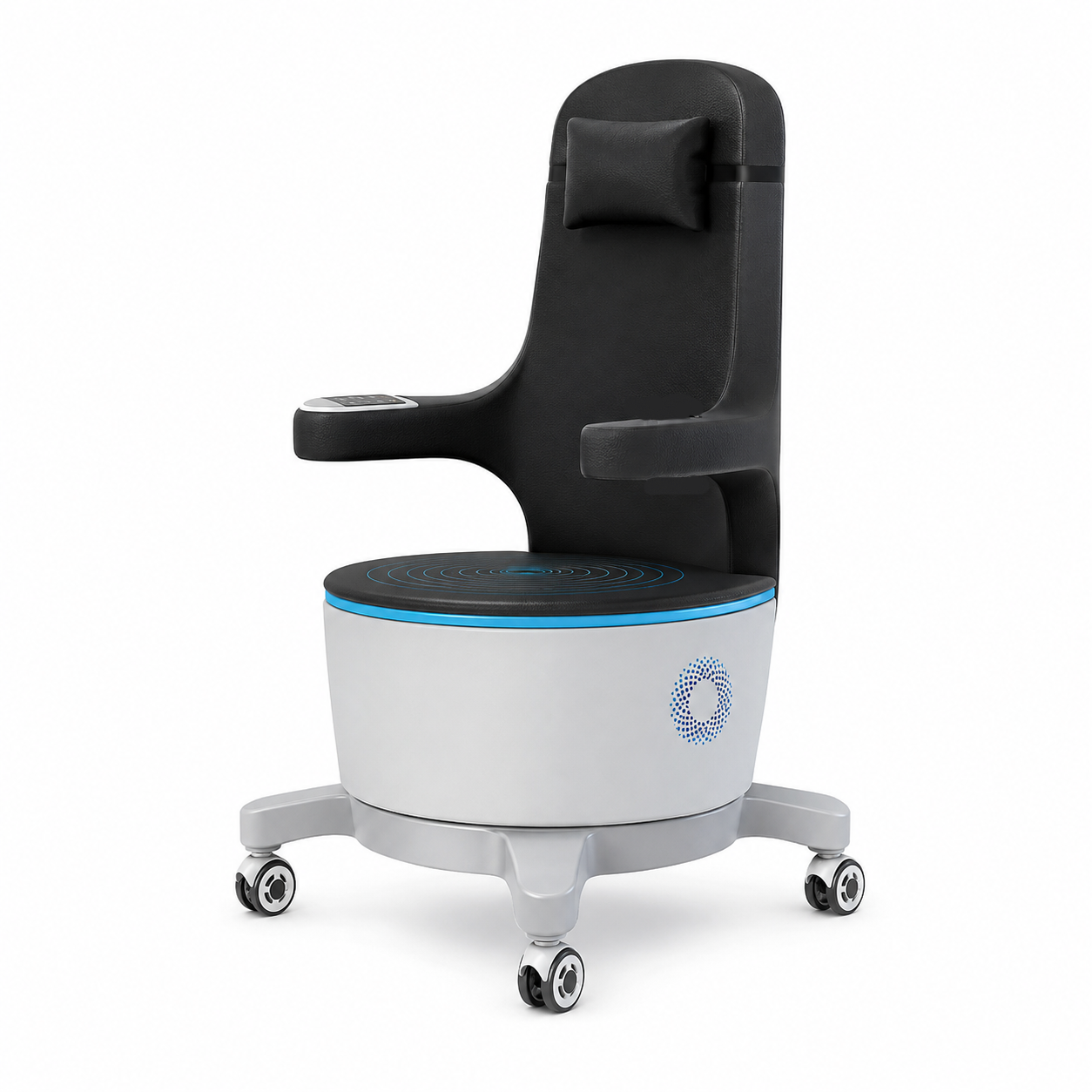
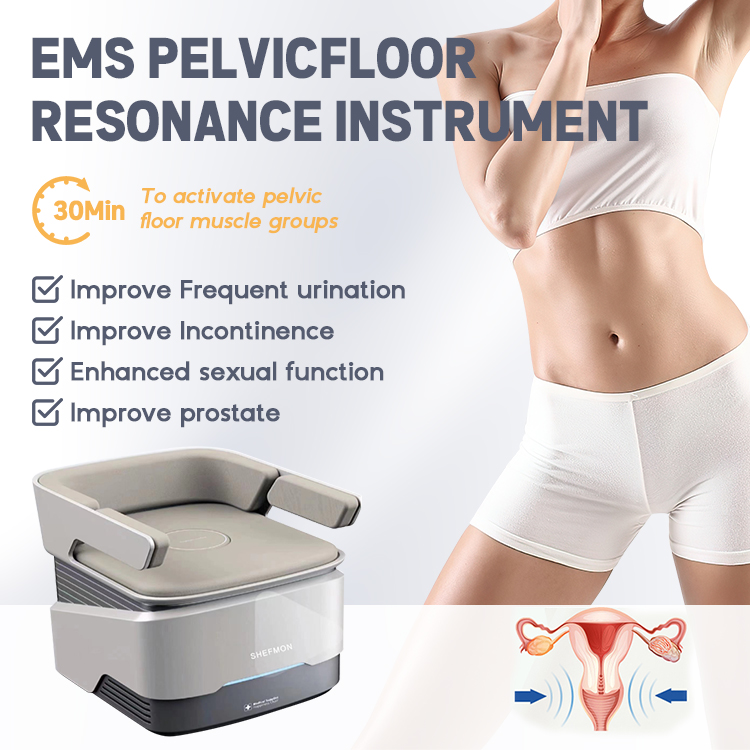
Devices such as the Electromagnetic Stimulation Pelvic Floor Muscle Rehabilitation EMS Chair are designed to support repeated sessions by providing stable and targeted stimulation, which helps practitioners structure treatment plans with confidence.
https://shefmon.com/product/e0436-electromagnetic-stimulation-pelvic-floor-muscle-rehabilitation-ems-chair/
3. How Results Develop Over Time
3.1 Early Responses to Treatment
In the early sessions of pelvic floor EMS, many clients may notice subtle improvements, such as reduced urgency or fewer episodes of leakage. These early responses reflect the initial recruitment and activation of pelvic muscle fibers that were previously underutilized or weakened.
3.2 Mid-Course Progress
Around sessions 4 to 8, more clients report measurable functional improvements, including increased muscle control, improved endurance during prolonged activity, and better overall comfort in daily life. Practitioners often use assessments such as pelvic floor strength tests or client symptom questionnaires to monitor progress throughout this phase.
3.3 Long-Term Improvements
After completing a full course of treatment, most patients experience lasting improvements in muscle tone and function. Depending on individual goals and the severity of muscle weakness, some clients may continue maintenance sessions once every 1–2 weeks or monthly to sustain results.
emsculpt machine for body emsculpting
4. Factors that Influence the Number of Sessions
4.1 Baseline Muscle Condition
Clients with mild muscle weakening or those seeking preventive care may require fewer sessions to achieve their goals, while individuals with more severe weakness, incontinence, or longer duration symptoms may benefit from extended treatment plans.
4.2 Age and Lifestyle
Age and general lifestyle also influence how quickly results appear. Younger clients or those who perform regular pelvic exercises may respond more rapidly than older individuals or those with sedentary lifestyles. Tailoring session frequency based on individual factors supports personalized care and better outcomes.
4.3 Consistency and Protocol Adherence
Consistency is key. Clients who attend sessions regularly without skipping appointments generally see better progress. Likewise, following practitioner guidance on hydration, posture, and pelvic muscle engagement between sessions enhances the effectiveness of pelvic floor EMS.
5. Comparing EMS to Traditional Exercise
5.1 Voluntary Exercise vs EMS
Traditional pelvic floor exercises such as Kegels rely on the client’s ability to voluntarily contract specific muscles. While effective for mild cases, voluntary exercise often fails to recruit deeper muscle fibers or provide the intensity needed for significant rehabilitation. EMS, by comparison, delivers precise and repeated stimulation, making it a more efficient and reliable option for many patients.
5.2 Complementary Approaches
Some practitioners integrate pelvic floor EMS with guided physical therapy exercises to maximize outcomes. Combining EMS with voluntary strengthening routines after the initial course can help clients maintain muscle tone long term.
6. Maintenance Sessions and Long-Term Care
6.1 After Completing a Full Course
Once the initial course of 8–12 sessions is complete, many clients enter a maintenance phase. Maintenance sessions vary depending on individual needs; some may require one session every two weeks, while others benefit from monthly treatments to sustain improvements, especially if they experience stress leading to muscle fatigue.
6.2 Personalized Follow-Up Plans
Clinics often develop personalized follow-up schedules based on client progress, lifestyle, and functional goals. Regular check-ins and periodic reassessment help ensure that pelvic health remains stable over time.
Conclusion
The number of pelvic floor EMS sessions needed varies by individual, but most people benefit from an initial course of 8 to 12 sessions delivered 2–3 times per week. Early responses can be seen within the first few treatments, with more meaningful improvements typically emerging mid-course. Factors such as baseline muscle condition, age, and treatment consistency influence the pace of progress, while maintenance sessions help sustain results long term. By combining pelvic floor EMS with personalized care plans and professional guidance, clinics and wellness centers can offer effective, non-invasive solutions that support functional pelvic health and enhanced quality of life for their clients.