









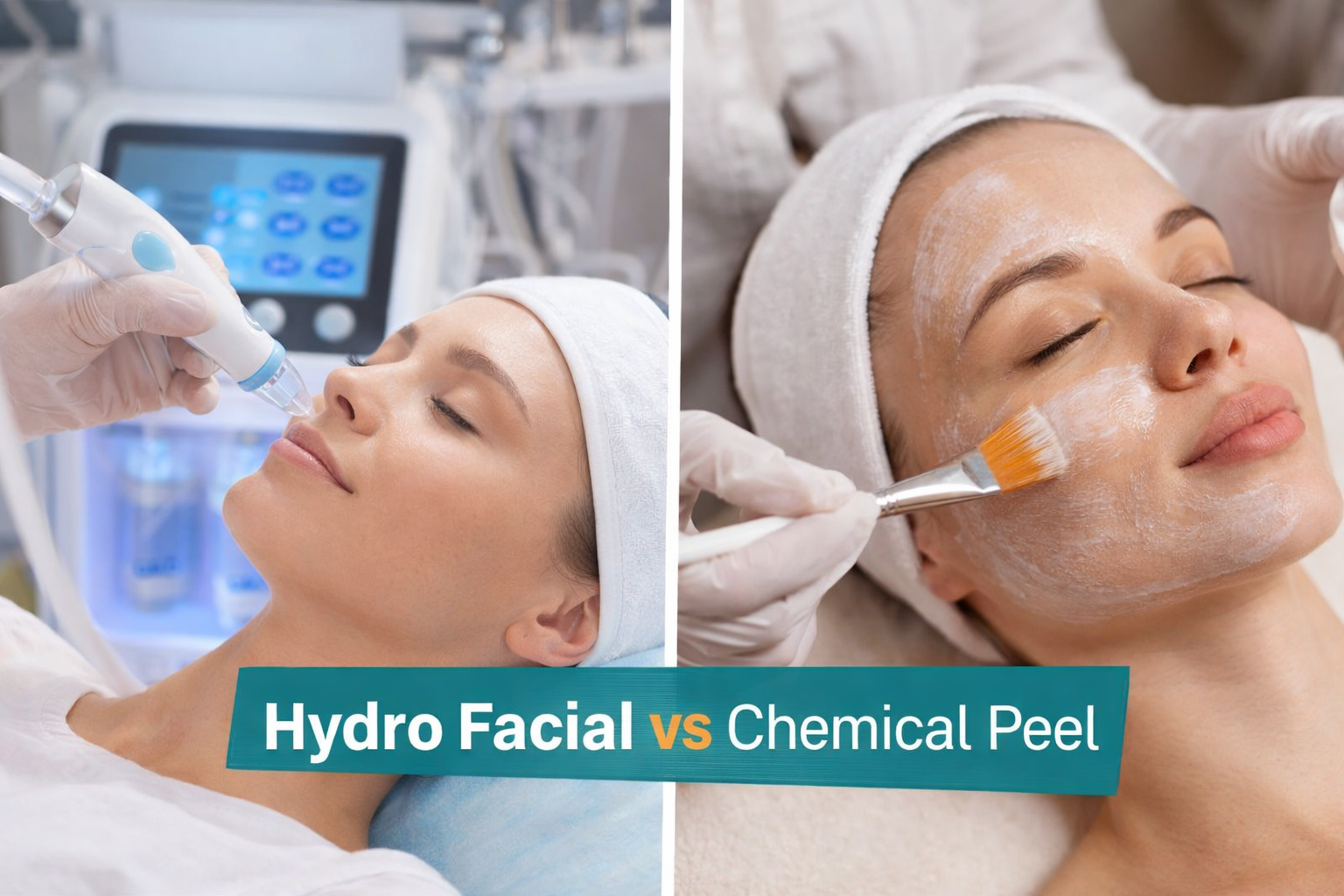
Choosing the right professional skin treatment can be confusing, especially when both options promise smoother texture, clearer pores, and brighter skin. Among the most commonly compared treatments are hydro facials and chemical peels. While both aim to improve overall skin appearance, they differ significantly in how they work, how deep they act, and who they are best suited for. Understanding these differences is essential for selecting the treatment that aligns with your skin type, concerns, and tolerance level.
1. Understanding the Basics of Both Treatments
1.1 What Is a Hydro Facial?
A hydro facial is a non-invasive skin treatment that combines cleansing, exfoliation, extraction, and hydration using water-based technology and controlled vacuum suction. Dead skin cells and impurities are removed gently while hydrating serums are infused into the skin at the same time.
Because hydro facials rely on liquid exfoliation rather than harsh chemicals or physical abrasion, they are generally well tolerated by a wide range of skin types, including sensitive and acne-prone skin.
1.2 What Are Chemical Peels?
Chemical peels use acidic solutions, such as alpha hydroxy acids (AHAs), beta hydroxy acids (BHAs), or trichloroacetic acid (TCA), to exfoliate the skin by dissolving the bonds between dead skin cells. Depending on their strength, chemical peels can be classified as superficial, medium, or deep.
Unlike hydro facials, chemical peels intentionally create controlled skin injury to stimulate cell turnover. This process can improve pigmentation, fine lines, and acne scars but often requires downtime and careful post-treatment care.
2. Key Differences in Treatment Mechanism
2.1 Depth of Skin Action
Hydro facials primarily work on the epidermis and superficial dermal layers. They focus on cleaning pores, smoothing texture, and restoring hydration without significantly disrupting the skin barrier.
Chemical peels, especially medium and deep peels, penetrate deeper into the skin. This deeper action allows for more dramatic correction of pigmentation and aging signs but also increases the risk of irritation and prolonged recovery.
2.2 Level of Skin Trauma
One of the main differences between hydro facials and chemical peels is the level of skin stress involved. Hydro facials are considered low-trauma treatments and do not cause visible peeling or crusting.
Chemical peels, by design, cause visible peeling, redness, and sometimes swelling. These effects are part of the healing process but may not be suitable for individuals with sensitive or reactive skin.
3. Suitability for Different Skin Types
3.1 Sensitive Skin
Hydro facials are generally the preferred option for sensitive skin. The gentle suction and customizable serum selection allow practitioners to avoid irritating ingredients and adjust treatment intensity as needed.
Chemical peels, even mild ones, may trigger redness or discomfort in sensitive skin types. Extra caution and professional supervision are required when peels are used on reactive skin.
3.2 Acne-Prone and Oily Skin
Both treatments can benefit acne-prone skin, but they work differently. Hydro facials help by clearing clogged pores, reducing excess oil, and maintaining skin hydration, which can support long-term acne management.
Chemical peels containing salicylic acid can be effective for acne control, but overuse or improper strength selection may worsen inflammation or cause post-inflammatory hyperpigmentation.
3.3 Dry or Dehydrated Skin
Dry skin often responds better to hydro facials due to the immediate infusion of hydrating and nourishing serums. The treatment improves moisture retention without stripping the skin.
Chemical peels may temporarily increase dryness and require a longer recovery period, making them less suitable for already dehydrated skin unless carefully planned.
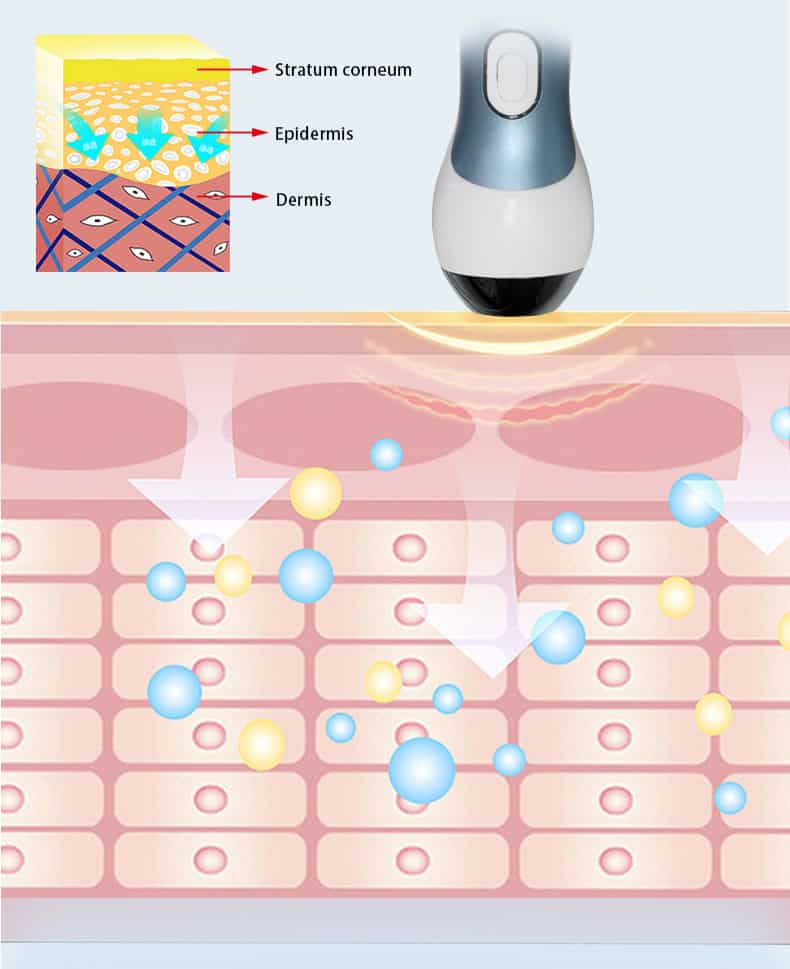
HydraFicial before and after remarkable result mechanism of action
4. Downtime, Comfort, and Recovery
4.1 Treatment Comfort
Hydro facials are widely known for being comfortable and even relaxing. Most clients experience minimal discomfort during the procedure, making it suitable for regular maintenance.
Chemical peels may cause stinging or burning sensations during application, especially at higher concentrations. Post-treatment discomfort is also more common.
4.2 Downtime and Aftercare
One major advantage of hydro facials is the absence of downtime. Clients can usually return to daily activities immediately after treatment.
Chemical peels often require downtime ranging from several days to weeks, depending on peel strength. Strict sun protection and post-peel care are essential to avoid complications.
5. Technology and Professional Equipment
5.1 Role of Advanced Hydro Facial Machines
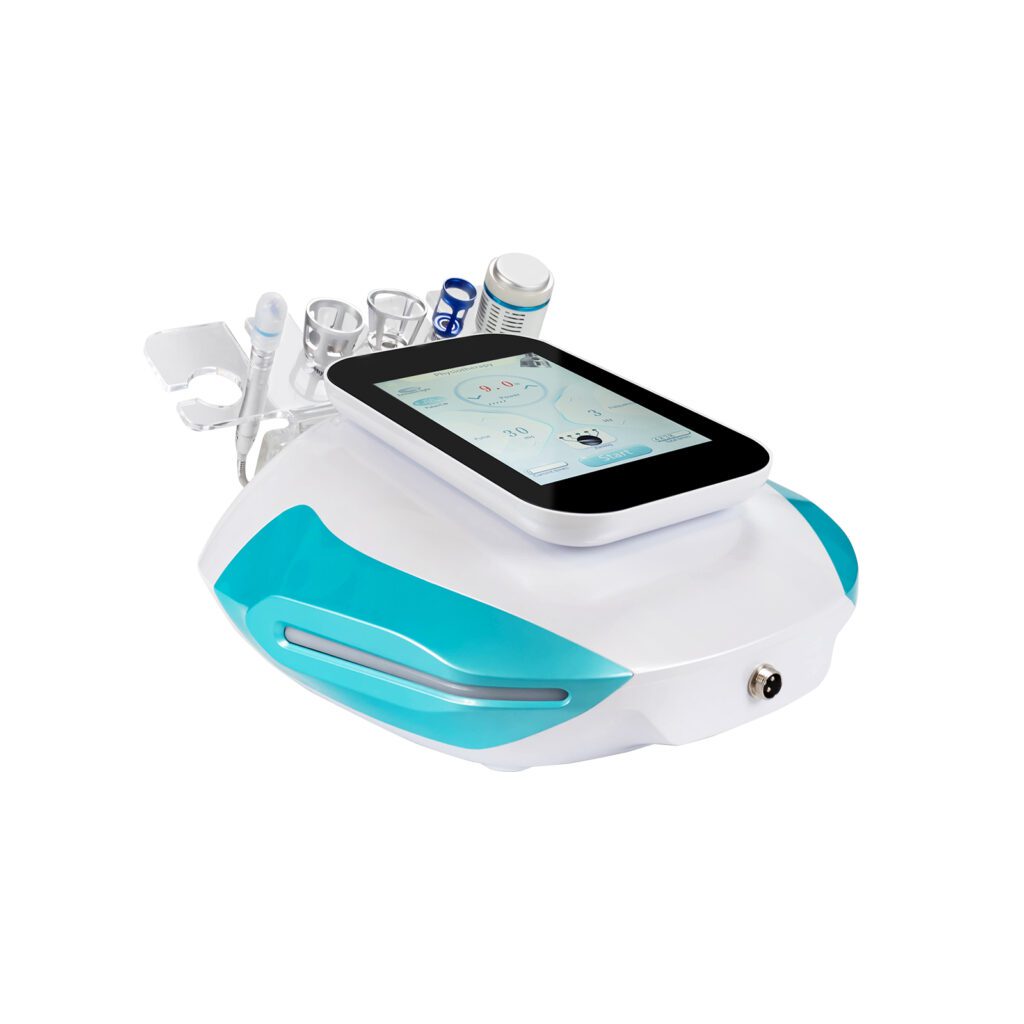
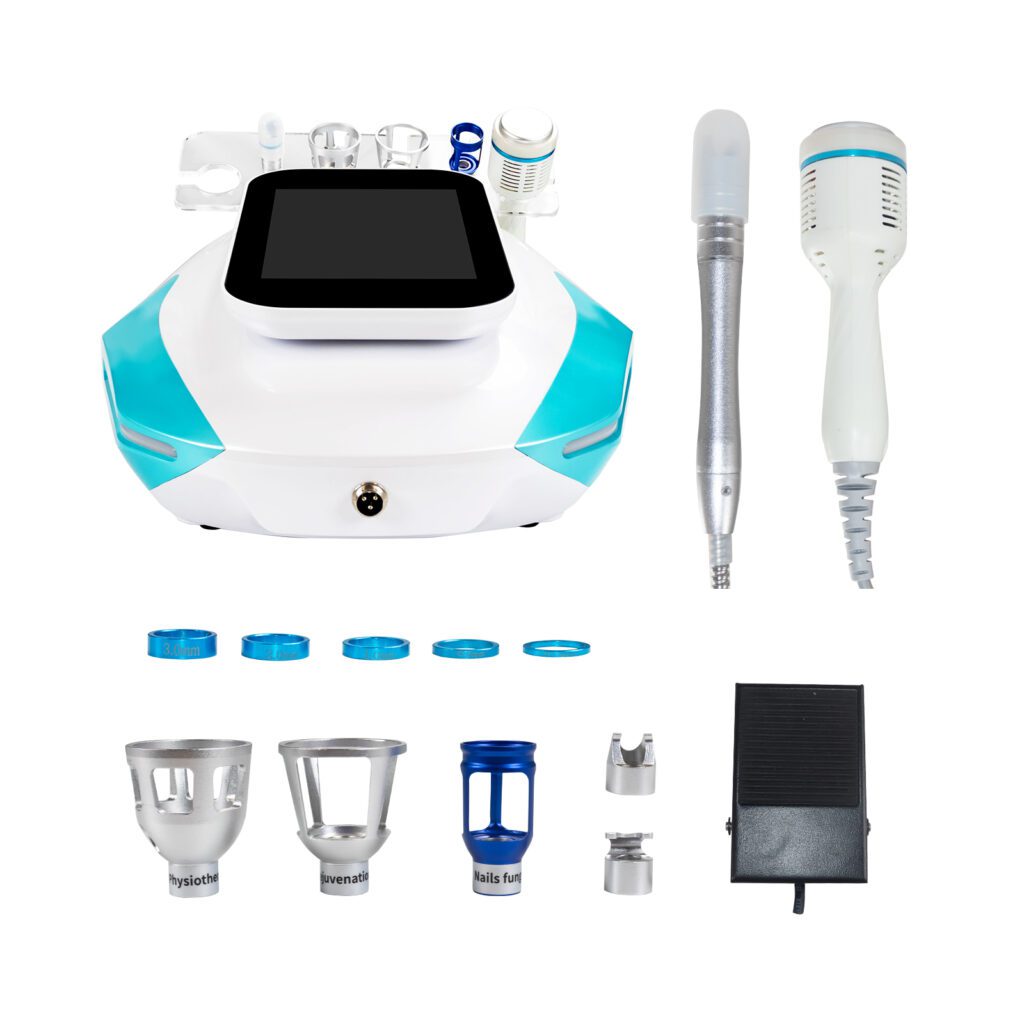
Modern hydro facial treatments rely heavily on professional multi-function devices that allow precise control over exfoliation, suction, and serum delivery. Equipment such as the 9-in-1 Diamond Hydro Microdermabrasion Peeling Machine enables practitioners to tailor treatments to different skin conditions while maintaining safety and consistency.
https://shefmon.com/product/a0648-9-in-1-diamond-hydro-microdermabrasion-peeling-machine/
This level of customization is one of the reasons hydro facials are increasingly popular in aesthetic clinics.
5.2 Practitioner Expertise in Chemical Peels
Chemical peels depend more on the practitioner’s ability to select appropriate acid types, concentrations, and exposure times. Incorrect application can result in burns, pigmentation issues, or prolonged irritation.
6. Which Treatment Should You Choose?
The choice between a hydro facial and a chemical peel depends on your skin goals, tolerance level, and desired recovery time. Hydro facials are ideal for individuals seeking gentle, consistent skin improvement with minimal risk and no downtime. Chemical peels may be more appropriate for those targeting deeper pigmentation, acne scars, or advanced aging concerns and who are prepared for recovery time.
Conclusion
Hydro facials and chemical peels both offer effective skin rejuvenation benefits, but they serve different purposes and skin needs. Hydro facials provide gentle exfoliation, deep hydration, and immediate results with minimal discomfort, making them suitable for regular maintenance and sensitive skin types. Chemical peels deliver more intensive correction at deeper skin levels but require greater caution and downtime. Understanding your skin condition and treatment goals is key to choosing the option that delivers the safest and most satisfying results.