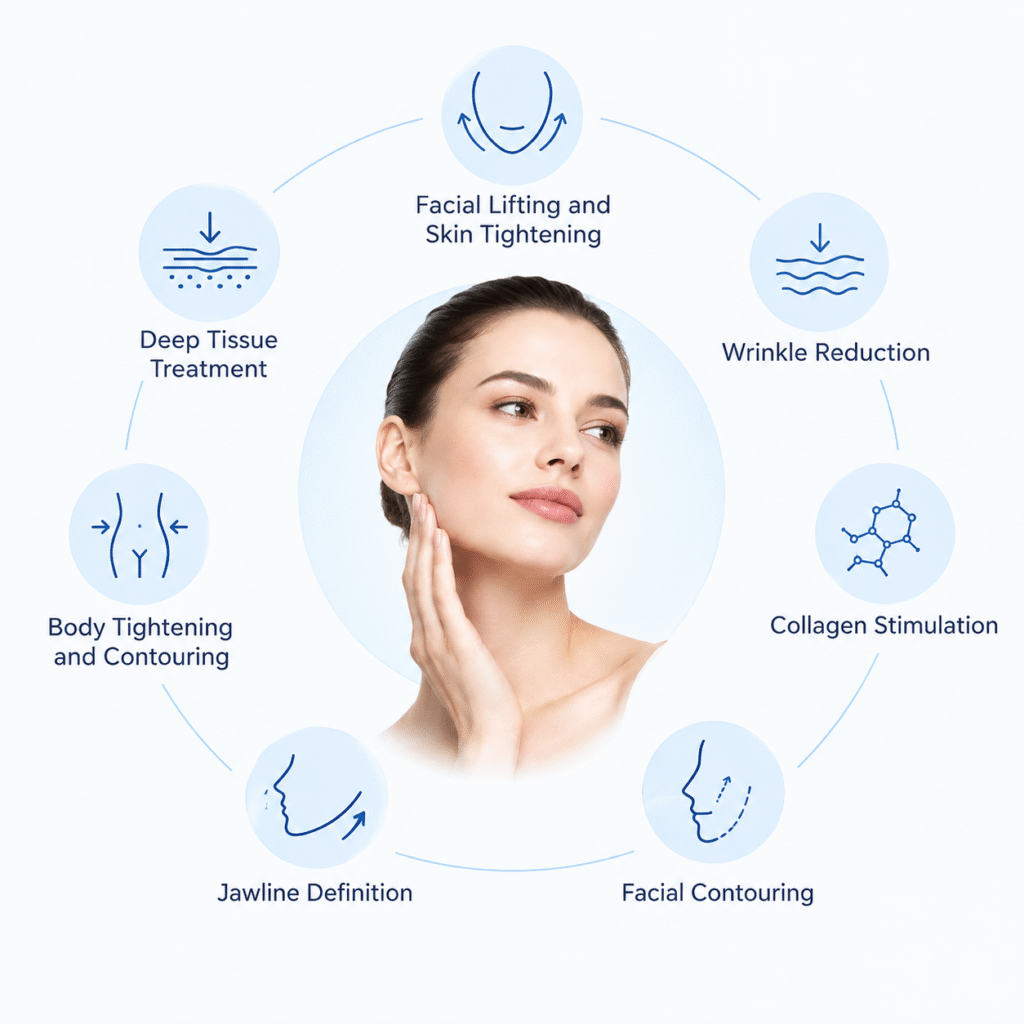










Skin tightening treatments have evolved significantly in recent years, with non-invasive technologies becoming the preferred choice for both clinics and clients. Among these technologies, High Intensity Focused Ultrasound (HIFU) and Radiofrequency (RF) are two of the most widely used options. While both aim to improve skin firmness and reduce signs of aging, they work in very different ways and deliver distinct results over time. Understanding these differences helps determine which technology is more suitable for specific skin concerns.
1. Core Technology Differences Between HIFU and RF
The fundamental distinction between HIFU and RF lies in how energy is delivered and where it acts within the skin.
1.1 How HIFU Delivers Energy
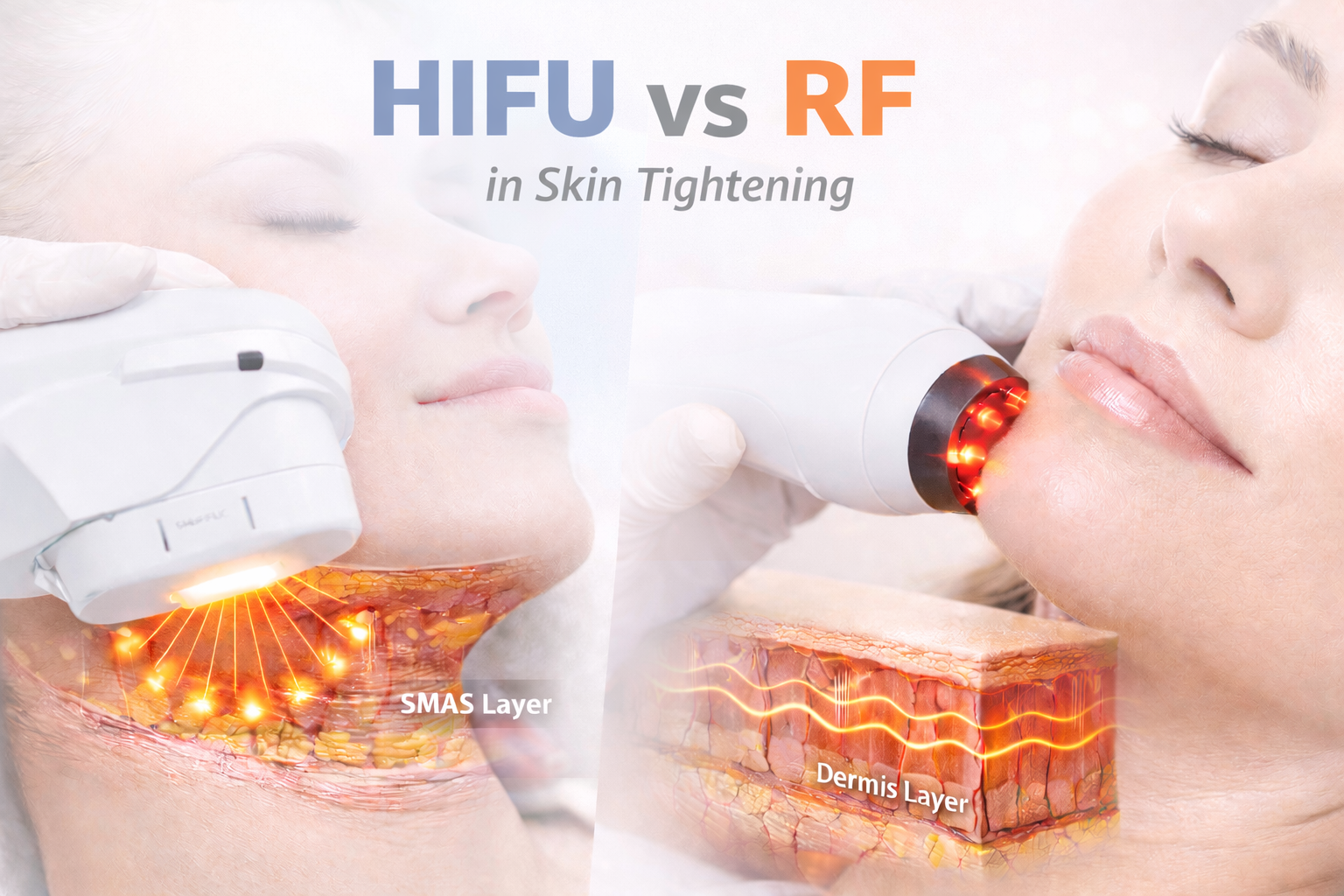
HIFU uses focused ultrasound waves to deliver energy at precise depths beneath the skin. This energy converges at specific focal points, creating controlled thermal coagulation zones without affecting the surface. Because of this precision, HIFU can reach deeper structural layers that are responsible for skin lifting.
1.2 How RF Heats the Skin
RF technology works by delivering electromagnetic waves that generate heat through tissue resistance. Unlike HIFU, RF energy spreads more diffusely and primarily heats the superficial and mid-dermal layers. This makes RF especially effective for improving skin texture and mild laxity rather than deep lifting.
2. Skin Layers Targeted by Each Technology
The depth of penetration plays a major role in treatment outcomes.
2.1 HIFU and Deep Structural Layers
HIFU can target multiple depths, including the dermis and the SMAS layer, which is the same layer tightened during surgical facelifts. This deep action allows HIFU to address moderate to advanced sagging, particularly along the jawline, cheeks, and neck.
2.2 RF and Superficial Tightening
RF primarily affects the dermis, stimulating collagen remodeling closer to the skin surface. This makes RF ideal for fine lines, early skin laxity, and overall skin rejuvenation. However, it does not typically reach the deeper support structures needed for significant lifting.
3. Differences in Treatment Results
Although both technologies promote collagen production, the results differ in timing and intensity.
3.1 HIFU Results Over Time
HIFU results develop gradually. Some tightening may be visible immediately due to collagen contraction, but the most noticeable lifting appears after two to three months as new collagen forms. These results are often long-lasting, commonly remaining visible for one to three years depending on individual factors.
3.2 RF Results and Maintenance
RF treatments often produce a more immediate feeling of firmness because of superficial tissue heating. However, the results are typically subtler and require more frequent maintenance sessions. RF is often used in a series of treatments to maintain consistent skin tightness.
4. Comfort and Treatment Experience
Client comfort is an important consideration when comparing HIFU and RF.
4.1 Sensation During HIFU Treatment
During HIFU treatment, clients may feel brief pulses of heat or tingling as energy reaches deeper layers. Modern systems are designed to minimize discomfort, but the sensation can be more noticeable due to the depth of energy delivery.
4.2 Sensation During RF Treatment
RF treatments are generally perceived as warm and relaxing. The heat is more evenly distributed, resulting in a massage-like experience that many clients find comfortable.
5. Treatment Areas and Versatility
Each technology offers different strengths depending on the treatment area.
5.1 HIFU for Face and Body Lifting
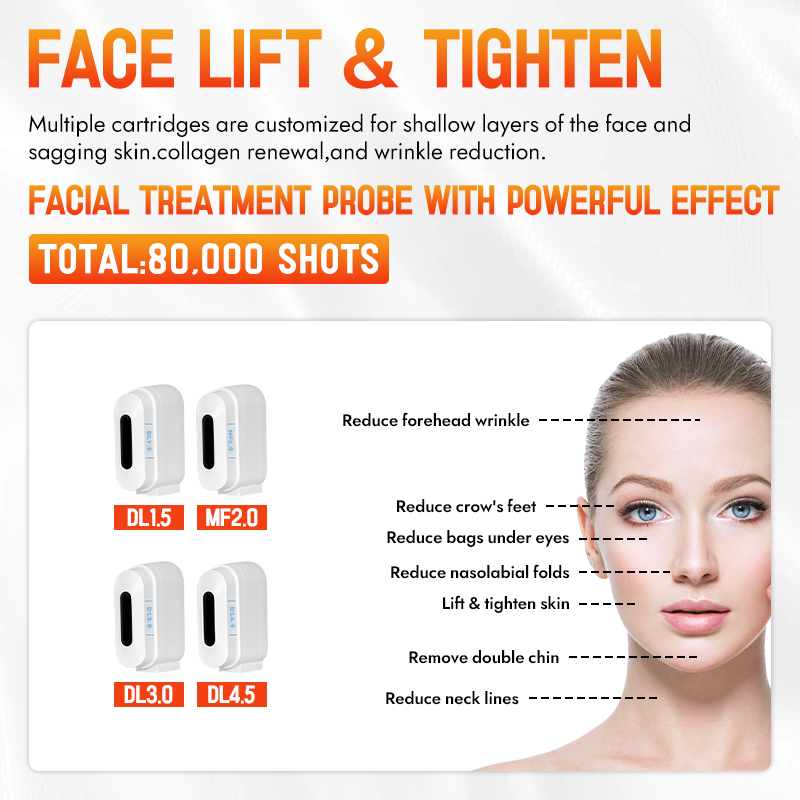
HIFU is particularly effective for lifting the face, jawline, and neck, as well as tightening thicker skin on the body such as the abdomen, arms, and thighs. Advanced systems with multiple cartridges allow precise depth selection for different anatomical areas.
5.2 RF for Skin Quality and Texture
RF excels in improving skin tone, elasticity, and fine wrinkles across both face and body. It is often chosen for clients with early signs of aging or those seeking gradual, natural-looking improvements.
6. Longevity and Clinical Value
The long-term value of each technology differs based on treatment goals.
6.1 HIFU as a Long-Term Solution
Because HIFU stimulates deep collagen regeneration, its results tend to last longer. Many clinics position HIFU as a once-a-year or once-every-two-years lifting solution, making it attractive for clients seeking long-lasting outcomes.
6.2 RF as a Maintenance Treatment
RF is commonly used as a maintenance or complementary treatment. Regular sessions help sustain collagen activity and preserve skin firmness over time, especially when combined with other technologies.
7. Combining HIFU and RF for Optimal Results
Rather than choosing one technology exclusively, many clinics integrate both into comprehensive treatment plans.
7.1 Synergistic Effects
HIFU addresses deep structural lifting, while RF enhances surface texture and elasticity. When used together, the combination can deliver more complete rejuvenation results than either technology alone.
7.2 Multifunctional Systems
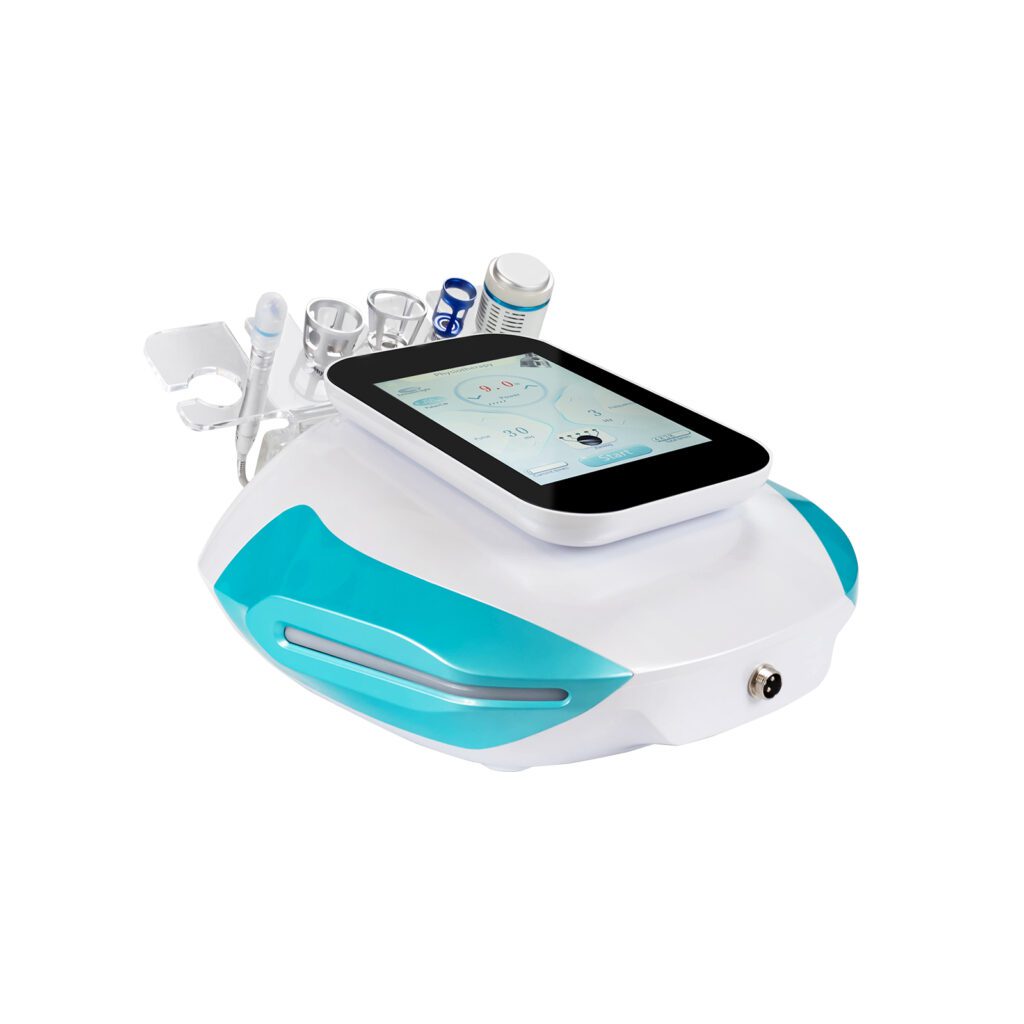
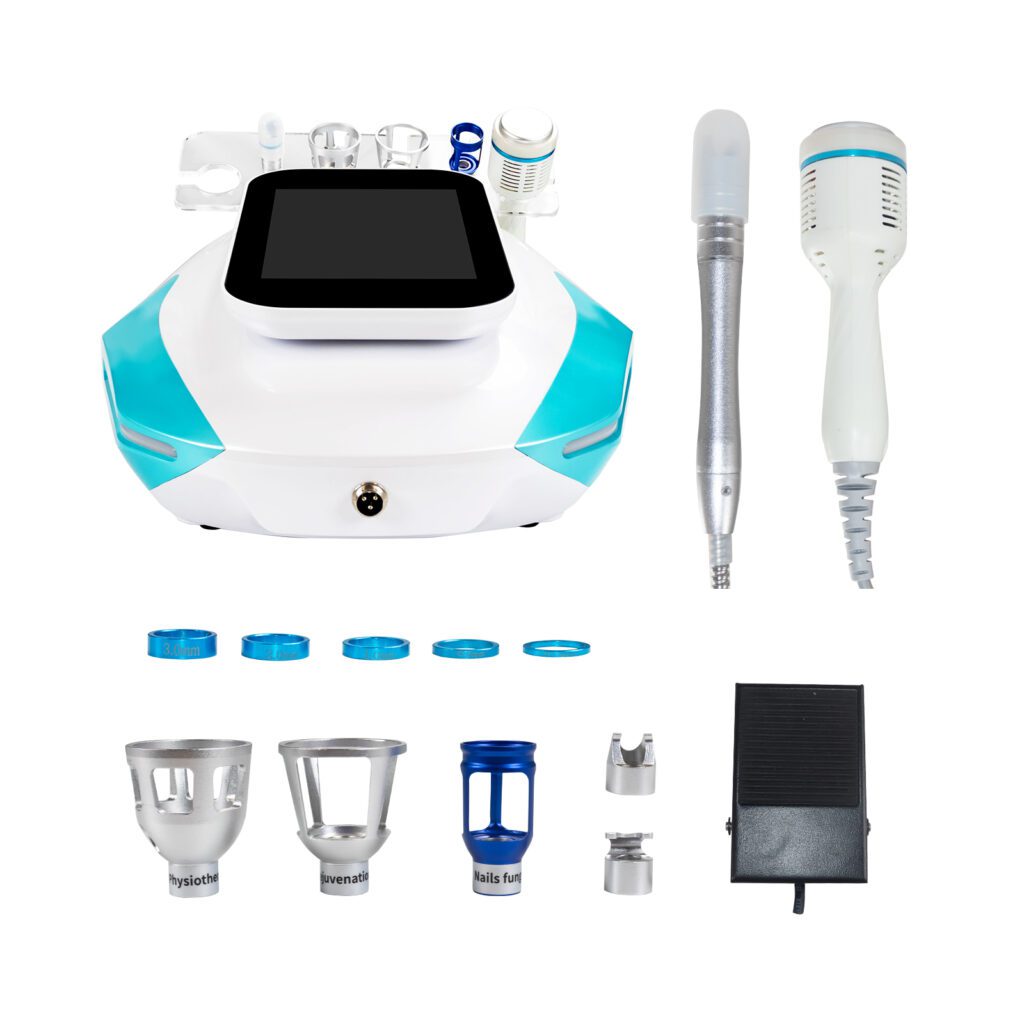
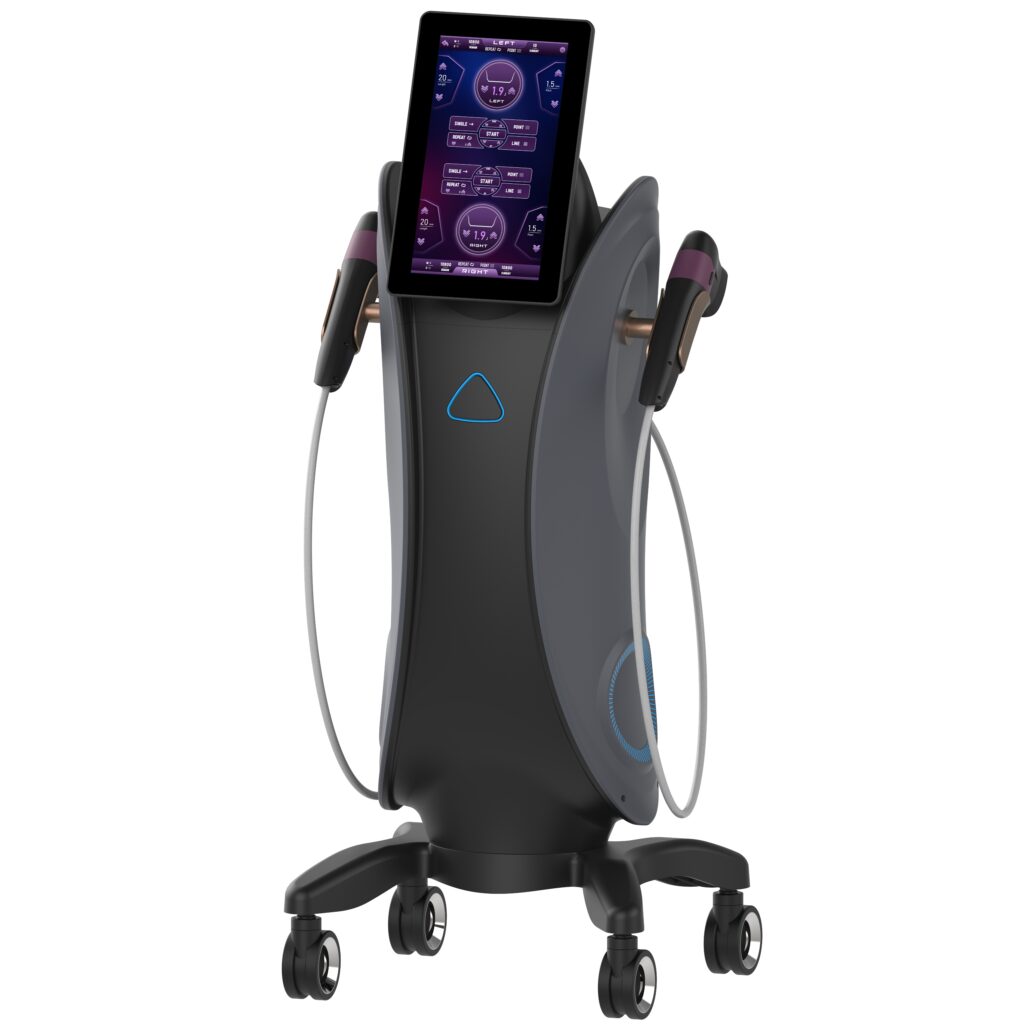
Multifunctional platforms such as advanced 9D/7D HIFU systems allow clinics to combine HIFU with RF, microneedle RF, and other modalities in one device. This flexibility supports customized treatments for different skin conditions and aging stages.
https://shefmon.com/product/a0205-9d-7d-focused-hifu-machine-5-in-1/
Conclusion
High Intensity Focused Ultrasound and Radiofrequency both play important roles in non-invasive skin tightening, but they serve different purposes. HIFU is best suited for deep lifting and long-lasting structural tightening, while RF excels in improving skin texture and maintaining firmness through regular treatments. Understanding how each technology works allows clinics and clients to choose the most effective solution—or a strategic combination—for achieving natural, lasting skin tightening results.