










Introduction to Facial Redness
Facial redness can feel like an uninvited guest that just won’t leave. One moment your skin looks calm, the next it’s flushed, blotchy, or visibly veined. Sound familiar? You’re not alone. Facial redness and broken capillaries are incredibly common and affect people of all ages and skin types.
What Is Facial Redness?
Facial redness happens when blood vessels near the surface of the skin dilate or become damaged. This makes blood more visible, giving the skin a red, pink, or flushed appearance. Sometimes it’s temporary. Other times, it sticks around like a stubborn stain.
Why Facial Redness Is So Common Today
Modern lifestyles don’t do sensitive skin any favors. Pollution, stress, sun exposure, and aggressive skincare trends all contribute to weakened capillaries and inflamed skin. Think of your skin like a fragile glass pipe—once pressure builds up, cracks appear.
Understanding Broken Capillaries
What Are Broken Capillaries (Telangiectasia)?
Broken capillaries, medically known as telangiectasia, are tiny blood vessels that have expanded or ruptured beneath the skin. They often appear as thin red, purple, or blue lines, especially on the nose and cheeks.
How Broken Capillaries Form Under the Skin
When capillary walls weaken, they lose their ability to contract back into place. Over time, repeated stress causes them to stay permanently enlarged, making them visible on the surface.
Main Causes of Facial Redness
Genetics and Skin Type
If facial redness runs in your family, chances are you’ve inherited delicate blood vessels. Fair and thin skin types are especially prone because there’s less natural protection covering the capillaries.
Sun Exposure and UV Damage
The sun is public enemy number one for your skin. UV rays break down collagen and elastin, which support blood vessels. Without that support, capillaries collapse and spread out like cracks in old pavement.
Aging and Skin Thinning
As we age, our skin naturally becomes thinner and weaker. Capillaries that were once hidden become more visible, especially around the nose and cheeks.
Climate and Environmental Factors
Extreme temperatures—hot or cold—force blood vessels to rapidly expand and contract. Over time, this constant pressure damages their structure.
Lifestyle-Related Triggers
Alcohol Consumption
Alcohol acts like a fast-forward button for redness. It dilates blood vessels instantly, and repeated use can cause permanent damage.
Spicy Foods and Hot Beverages
That fiery meal might taste amazing, but it sends blood rushing to your face. Over time, frequent flushing can weaken capillaries.
Stress and Emotional Flushing
Ever noticed your face turning red when you’re nervous or embarrassed? Chronic stress keeps blood vessels in a constant state of overreaction.
Smoking and Poor Circulation
Smoking damages blood vessels and reduces oxygen delivery to the skin. The result? Weak, fragile capillaries that break easily.
Medical and Skin Conditions
Rosacea
Rosacea is one of the leading causes of persistent facial redness. It creates chronic inflammation and dilated blood vessels, often worsening without treatment.
Acne and Post-Inflammatory Redness
After acne heals, redness can linger due to damaged capillaries beneath the skin.
Allergies and Contact Dermatitis
Allergic reactions trigger inflammation, which puts pressure on blood vessels and causes redness.
Hormonal Imbalances
Hormonal shifts during pregnancy, menopause, or medical treatments can increase blood flow and sensitivity in facial skin.
Skincare Mistakes That Worsen Redness
Over-Exfoliation
Exfoliating too often strips the skin barrier, leaving capillaries exposed and vulnerable.
Using Harsh Skincare Products
Alcohol-based toners, strong acids, and fragrances are like sandpaper on sensitive skin.
Incorrect Use of Active Ingredients
Retinol and acids can help—but misuse them, and they’ll inflame your skin instead.
Broken Capillaries on Different Facial Areas
Nose and Cheeks
These areas have dense capillary networks, making them the most common spots for visible veins.
Chin and Forehead
While less common, hormonal changes and sun exposure can still cause redness here.
Why These Areas Are More Vulnerable
Thin skin, frequent movement, and environmental exposure all play a role.
Emotional and Psychological Impact
Confidence and Self-Esteem Issues
Facial redness can feel impossible to hide, affecting how people see themselves.
Social Anxiety Related to Facial Redness
Many people avoid social situations due to fear of flushing, creating a cycle of stress and redness.
Prevention Tips for Facial Redness
Daily Sun Protection
A broad-spectrum sunscreen is non-negotiable. Think of it as armor for your capillaries.
Gentle Skincare Routine
Less is more. Calm, soothing products help maintain skin balance.
Healthy Lifestyle Adjustments
Hydration, stress management, and a balanced diet go a long way.
Professional Treatments for Redness
Laser and Light-Based Treatments
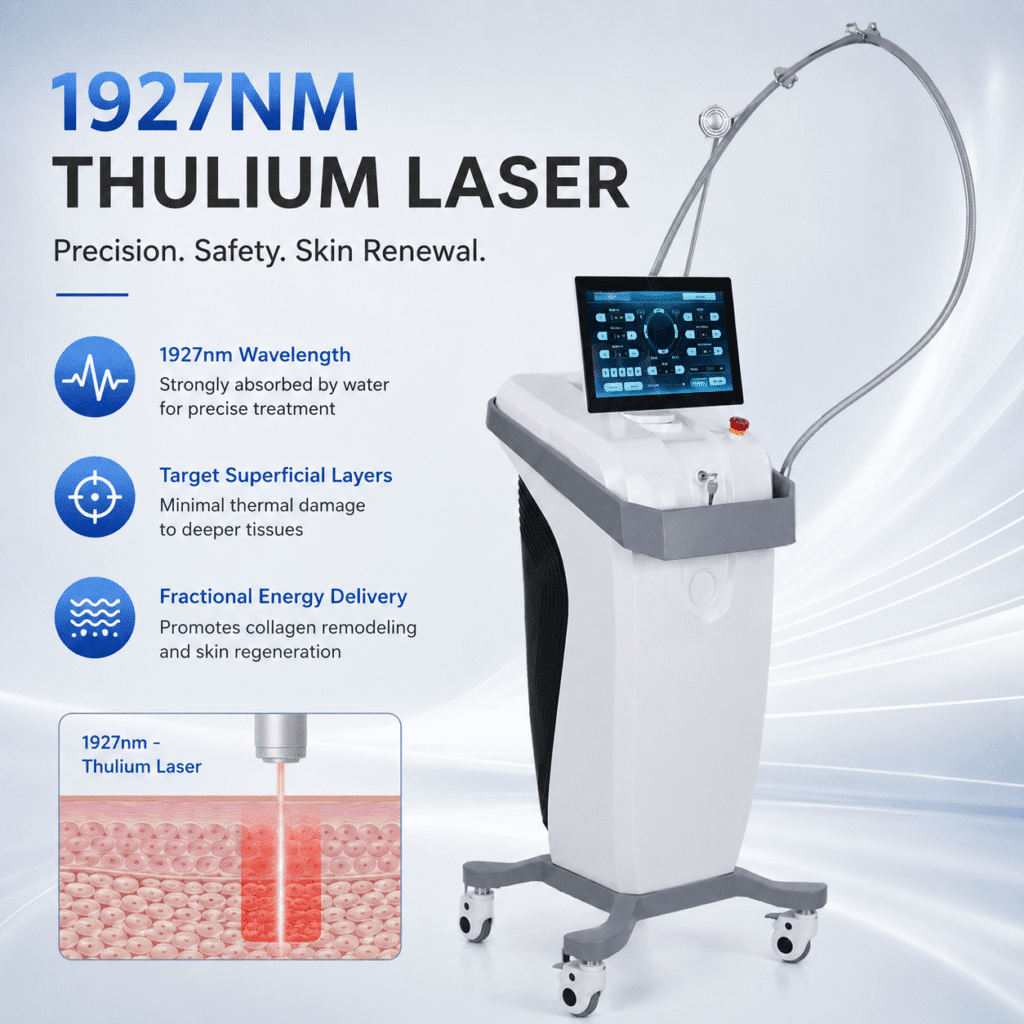
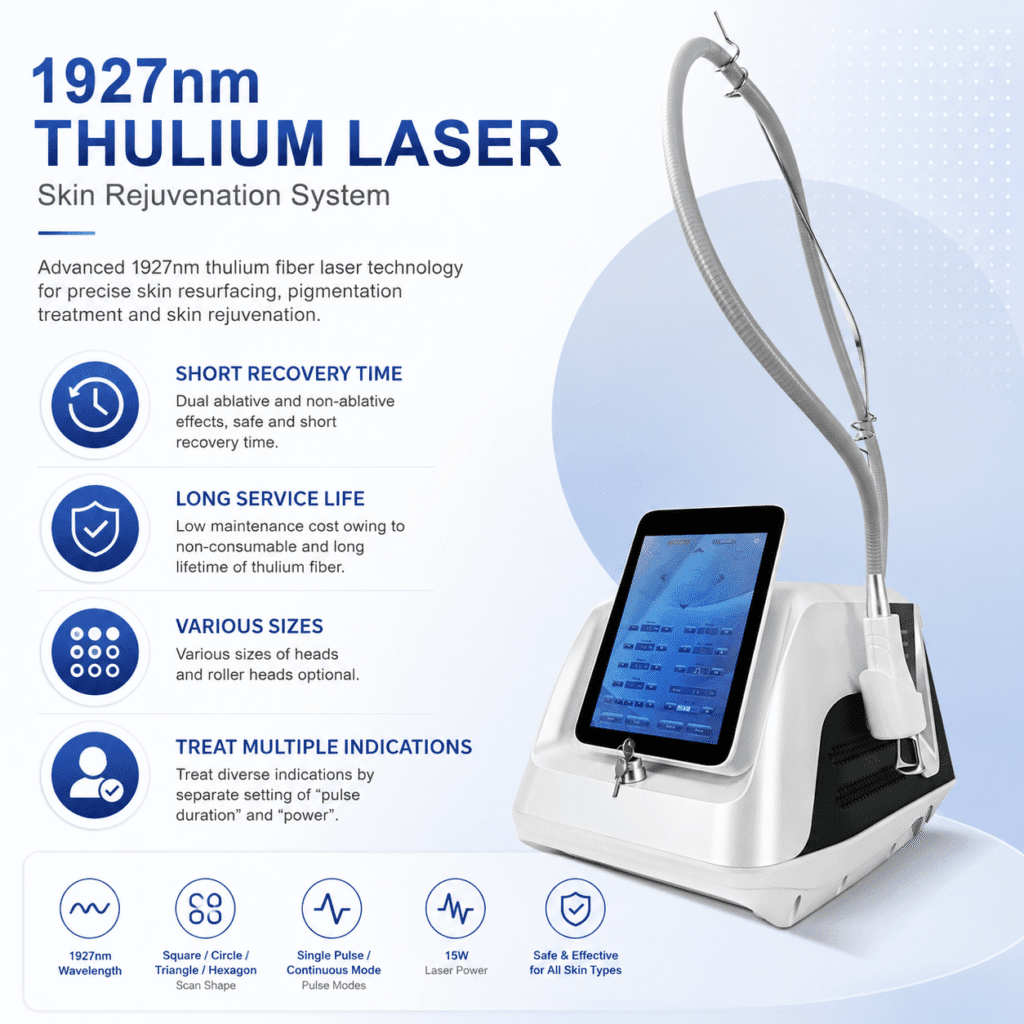
Laser technology targets damaged blood vessels directly, reducing redness at the source.
How the 2910nm Fiber Fractional CO2 Ultra Laser Works
Advanced systems like the 2910nm Fiber Fractional CO2 Ultra Laser deliver controlled energy into the skin, stimulating collagen production while minimizing damage to surrounding tissue. This helps strengthen capillary walls and improve overall skin texture.
Benefits of Advanced Laser Technology
Precise targeting
Minimal downtime
Long-lasting redness reduction
Overall skin rejuvenation
Why Choose Advanced Laser Solutions
Precision and Safety
Modern lasers are designed for accuracy, reducing risks while maximizing results.
Long-Term Skin Rejuvenation
Beyond redness, laser treatments improve tone, texture, and firmness.
Who Is an Ideal Candidate
Suitable Skin Types
Most skin types can benefit, especially those with persistent redness or visible capillaries.
When to Avoid Treatment
Active infections, pregnancy, or certain medical conditions may require postponement.
Post-Treatment Care and Expectations
Recovery Timeline
Mild redness and swelling typically subside within days.
Results and Maintenance
Results improve over weeks as collagen rebuilds. Maintenance sessions may be recommended.
The Future of Redness Treatment
Technology-Driven Skincare Solutions
Innovations like fiber fractional lasers are reshaping how professionals treat redness safely and effectively.
Conclusion
Facial redness and broken capillaries aren’t just cosmetic concerns—they’re signs that your skin needs care, protection, and sometimes professional intervention. From lifestyle habits to environmental exposure, many factors contribute to this condition. The good news? With proper prevention, gentle skincare, and advanced treatments like the 2910nm Fiber Fractional CO2 Ultra Laser, clearer and calmer skin is absolutely within reach.
FAQs
1. Can broken capillaries heal on their own?
No, once capillaries are broken, professional treatment is usually required.
2. Is facial redness always a sign of rosacea?
Not always. Sun damage, lifestyle habits, and skincare mistakes can also cause redness.
3. Are laser treatments safe for sensitive skin?
Yes, modern laser systems are designed with safety and precision in mind.
4. How many laser sessions are needed for redness?
Most people see improvement in 1–3 sessions, depending on severity.
5. Can skincare products remove broken capillaries?
Products can soothe redness but cannot eliminate broken capillaries permanently.