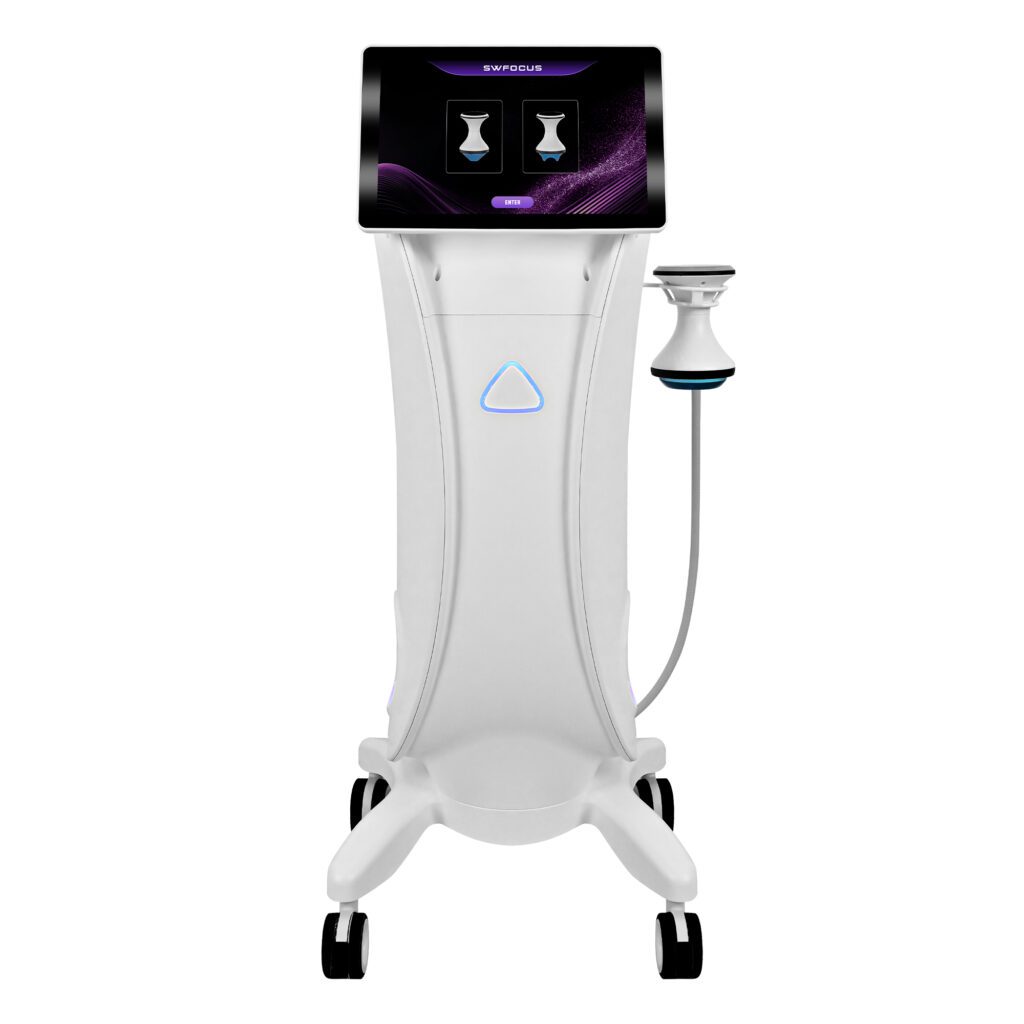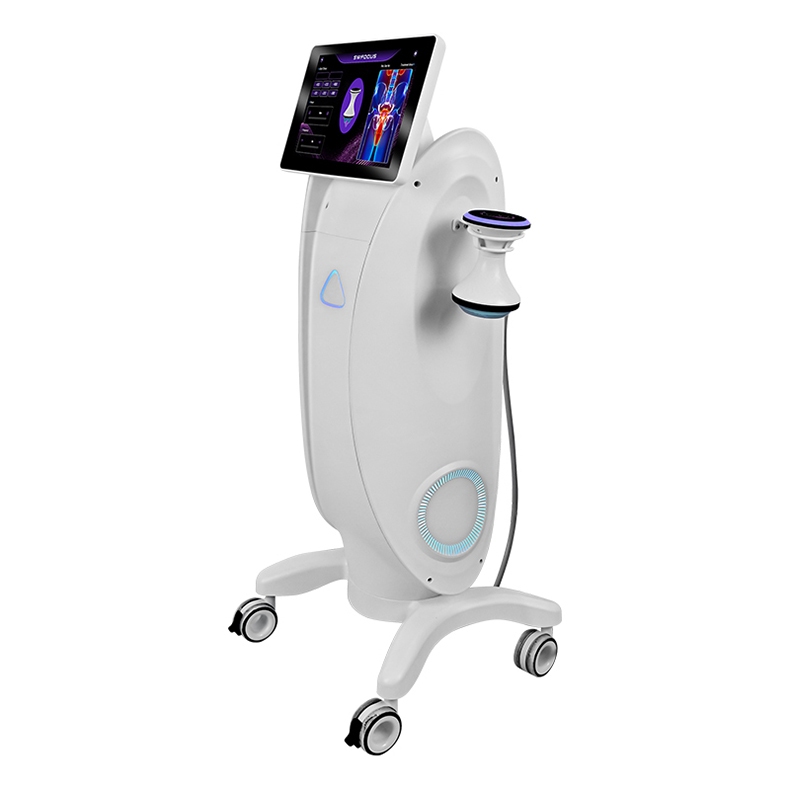










Let’s be honest—pelvic floor issues aren’t exactly dinner-table conversation. But urinary leakage, postpartum belly changes, and reduced muscle strength are far more common than most people admit. So the big question is: do pelvic floor trainers really work, or are they just another wellness trend?
Short answer? Yes, they work—when used correctly and consistently. And modern technology, especially EMS-based pelvic floor trainers, has completely changed the game.
Let’s break it down in plain English.
Understanding the Pelvic Floor
What Is the Pelvic Floor?
Think of your pelvic floor like a hammock made of muscles. It sits at the base of your pelvis, holding up vital organs such as the bladder, uterus, and bowel. These muscles play a key role in urinary control, sexual function, posture, and core stability.
When this “hammock” weakens, things start slipping—literally.
Why Pelvic Floor Muscles Weaken
Pregnancy and Childbirth
Pregnancy stretches pelvic muscles, and childbirth can cause trauma or nerve damage. This is why many women experience urine leakage or pelvic looseness postpartum.
Aging and Hormonal Changes
As estrogen levels drop, muscle elasticity decreases. The pelvic floor isn’t immune to this.
Lifestyle Factors
Sitting too much, obesity, heavy lifting, and chronic coughing all put pressure on the pelvic floor.
What Are Pelvic Floor Trainers?
Traditional Pelvic Floor Exercises
You’ve probably heard of Kegels. They work—but only if done correctly and consistently, which many people struggle with.
Modern Pelvic Floor Training Devices
This is where technology steps in.
EMS Technology Explained
EMS (Electromagnetic Muscle Stimulation) sends targeted electromagnetic pulses deep into the pelvic muscles, triggering thousands of muscle contractions in a single session. These are far stronger and more precise than voluntary exercises.
Imagine doing 10,000 perfect Kegels in 30 minutes—without effort. That’s EMS.
Do Pelvic Floor Trainers Really Work?
Scientific and Clinical Insights
Clinical studies and real-world applications show that EMS pelvic floor trainers significantly improve:
Urinary incontinence
Pelvic muscle strength
Postpartum recovery
Sexual satisfaction
Realistic Expectations and Results
Results aren’t instant—but they are real. Most users notice improvement after 4–6 sessions, with optimal results after a full treatment cycle.
EMS Pelvic Floor Trainers – A Game Changer
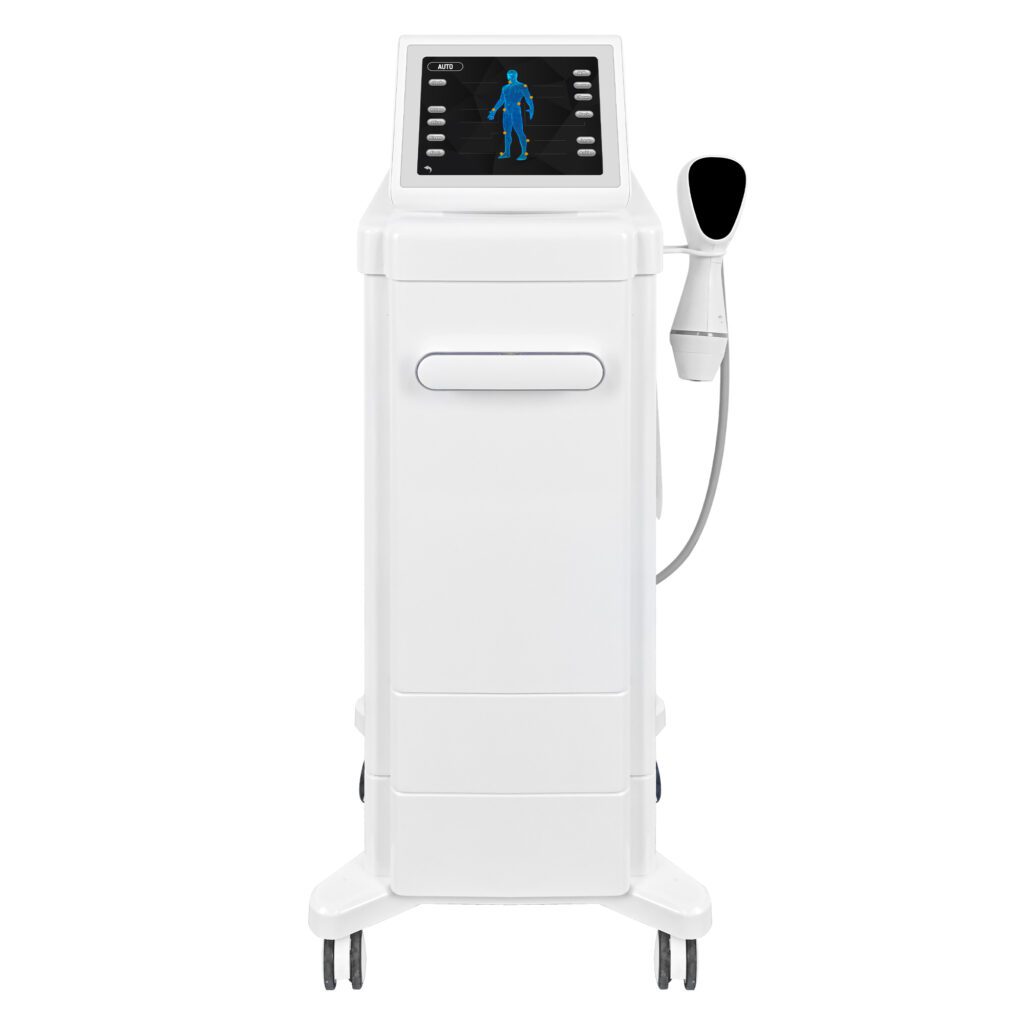
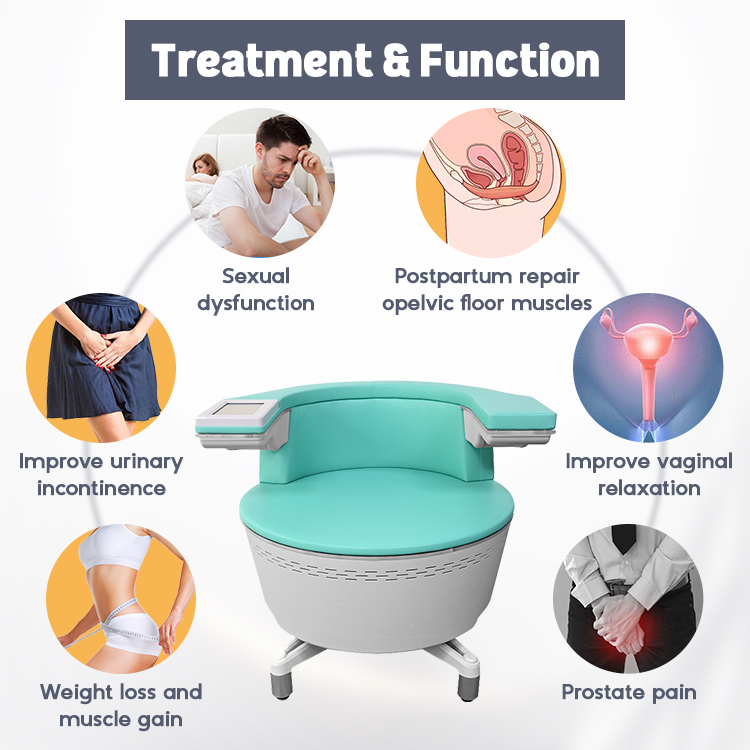
How EMS Pelvic Floor Chairs Work
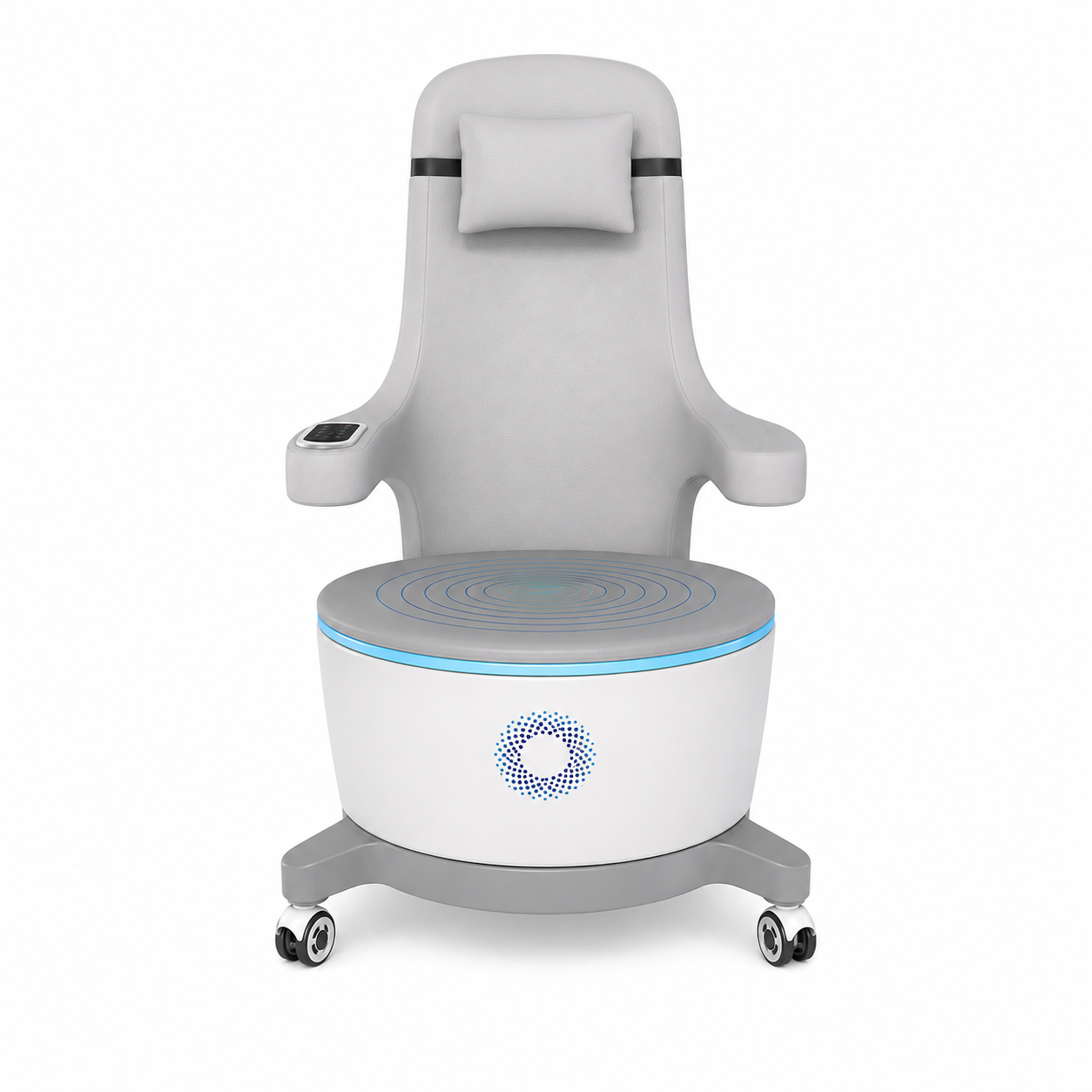
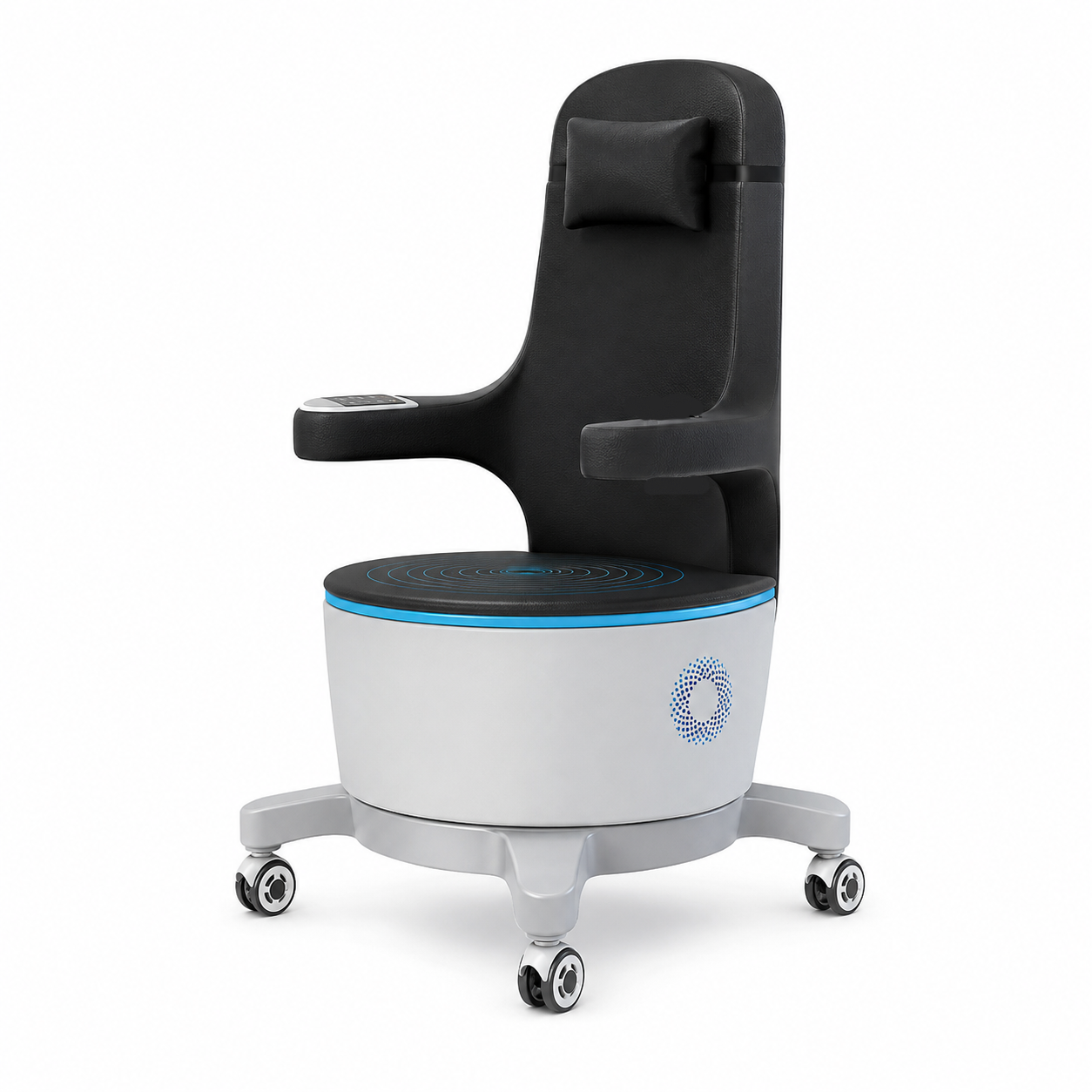
EMS pelvic floor chairs allow users to sit comfortably while electromagnetic waves stimulate pelvic and abdominal muscles—fully clothed, non-invasive, and pain-free.
Benefits of Hands-Free Pelvic Training
No internal probes
No embarrassment
No effort required
High muscle activation
It’s pelvic training made easy.
Key Benefits of Pelvic Floor Trainers
Improved Urinary Incontinence
Leakage when coughing, laughing, or exercising? EMS strengthens bladder-support muscles, dramatically reducing urine leakage.
Postpartum Pelvic Repair
EMS training accelerates muscle recovery after childbirth, restoring pelvic stability and strength.
Tightening Postpartum Belly and Lower Abdomen
By activating deep core muscles, EMS helps tighten the postpartum belly and reshape the lower abdomen.
Improved Sexual Function
Stronger pelvic muscles mean better blood flow, sensitivity, and muscle control—often leading to enhanced intimacy.
Vaginal Tightening
EMS stimulates vaginal muscles naturally, improving tone without surgery or downtime.
Hips Lifting and Muscle Building
The stimulation extends to surrounding muscle groups, helping lift hips and build pelvic and glute muscles.
Pelvic Floor Muscle Repair
EMS promotes muscle regeneration and coordination, not just surface-level tightening.
Pelvic Floor Trainers for Postpartum Recovery
Why Postpartum Women Need Pelvic Floor Support
After childbirth, the pelvic floor needs rehabilitation—not rest alone. Without proper recovery, issues can persist for years.
EMS Chair for Postpartum Repair
The SHEFMON EMS Pelvic Floor Chair is specifically designed for:
Postpartum pelvic repair
Urinary incontinence improvement
Postpartum belly tightening
Who Should Use a Pelvic Floor Trainer?
Women After Childbirth
Ideal for postpartum recovery and pelvic repair.
Women With Urinary Leakage
Perfect for stress and mild-to-moderate urinary incontinence.
Women Seeking Better Core Strength
Great for improving posture, muscle tone, and overall pelvic health.
Safety, Comfort, and Effectiveness
Is EMS Pelvic Training Safe?
Yes. EMS pelvic chairs are FDA-cleared or CE-approved, non-invasive, and widely used in clinics worldwide.
How Long Before You See Results?
Mild improvements: 2–3 sessions
Visible results: 4–6 sessions
Long-term benefits: full treatment cycle
Why Choose a Professional EMS Pelvic Floor Chair?
Advantages Over Home Trainers
Stronger stimulation
Deeper muscle activation
Faster results
Hands-free operation
Clinical and Spa Applications
EMS pelvic chairs are widely used in:
Medical clinics
Postpartum centers
Aesthetic and wellness spas
SHEFMON EMS Pelvic Floor Chair Overview
Product Introduction
The SHEFMON EMS Pelvic Floor Chair is a professional-grade pelvic muscle trainer designed for postpartum repair, urinary incontinence improvement, and pelvic muscle strengthening.
Core Functions and Advantages
Improved urinary incontinence
Pelvic floor muscle trainer
Postpartum belly and lower abdomen treatment
Vaginal tightening
Muscle repair and building
Hips lifting
Improved sexual function
How Often Should You Use a Pelvic Floor Trainer?
Recommended Treatment Schedule
Most professionals recommend:
2–3 sessions per week
20–30 minutes per session
6–8 weeks for full results
Final Verdict – Are Pelvic Floor Trainers Worth It?
Absolutely. Pelvic floor trainers—especially EMS-based systems—aren’t hype. They’re science-backed, results-driven tools that restore strength, confidence, and comfort.
If you want real results without surgery or endless exercises, EMS pelvic floor training is one of the smartest investments you can make.
Conclusion
So, do pelvic floor trainers really work? Yes—and modern EMS pelvic floor chairs take effectiveness to another level. From improved urinary control to postpartum recovery and enhanced muscle tone, the benefits are both functional and life-changing. With the right device and consistent use, pelvic health doesn’t have to be a struggle—it can be a strength.
FAQs
1. Can pelvic floor trainers really stop urine leakage?
Yes. EMS trainers significantly strengthen bladder-support muscles, reducing or eliminating leakage.
2. Are EMS pelvic floor chairs safe after childbirth?
Yes, they are commonly used for postpartum pelvic repair and recovery.
3. How soon can I use a pelvic floor trainer postpartum?
Typically after medical clearance, often 6–8 weeks postpartum.
4. Is EMS pelvic training painful?
No. The sensation feels like strong muscle contractions but remains comfortable.
5. Can pelvic floor trainers improve intimacy?
Yes. Stronger pelvic muscles often lead to improved sexual sensation and control.