









How to Get Rid of a Saggy Vag Naturally and Effectively
Let’s be real for a moment. Vaginal looseness—often called a “saggy vag”—is something many women experience, yet few openly talk about. Whether it’s after childbirth, due to aging, or simply lifestyle changes, vaginal laxity can affect confidence, comfort, and intimacy. The good news? You’re not stuck with it. There are effective, science-backed ways to improve vaginal tightness and pelvic floor strength without surgery.
So, grab a cup of tea, relax, and let’s talk openly about solutions that actually work.
What Is Vaginal Laxity?
Vaginal laxity refers to the loss of firmness and elasticity in the vaginal walls. Think of it like a stretched elastic band—it doesn’t snap back the way it used to. This happens when pelvic floor muscles weaken and connective tissues lose tone.
Common Causes of a Saggy Vag
Childbirth and Postpartum Changes
Vaginal delivery stretches pelvic floor muscles significantly. Multiple births or large babies can amplify this effect.
Aging and Hormonal Shifts
As estrogen levels drop—especially during menopause—vaginal tissues naturally thin and lose elasticity.
Lifestyle and Physical Factors
Heavy lifting, chronic coughing, obesity, and prolonged sitting can all strain pelvic muscles over time.
Signs and Symptoms You Shouldn’t Ignore
Physical Sensations
Reduced vaginal tightness
Decreased sexual sensation
Mild urinary leakage
Impact on Confidence and Intimacy
Feeling “different” down there can affect how you feel about yourself and your relationships. And yes, that emotional side matters just as much.
Can a Saggy Vag Be Reversed?
Myth vs Reality
No, you can’t magically turn back time—but you can strengthen muscles and restore tone significantly.
What Science Says
Studies confirm that strengthening pelvic floor muscles improves vaginal tightness, bladder control, and sexual satisfaction.
Natural Ways to Tighten the Vagina
Pelvic Floor Muscle Training
Kegel Exercises Explained
Kegels involve contracting and relaxing pelvic floor muscles. Done correctly and consistently, they help—but let’s be honest, many women struggle with technique and consistency.
Lifestyle Adjustments That Help
Maintain a healthy weight
Avoid heavy lifting
Quit smoking
Diet and Hydration for Pelvic Health
Protein, collagen-supporting foods, and proper hydration all contribute to tissue health.
Medical and Non-Surgical Treatments
Pelvic Floor Physical Therapy
Guided therapy helps you learn proper muscle engagement but requires time and frequent sessions.
EMS Technology for Pelvic Floor Strengthening
How EMS Chairs Work
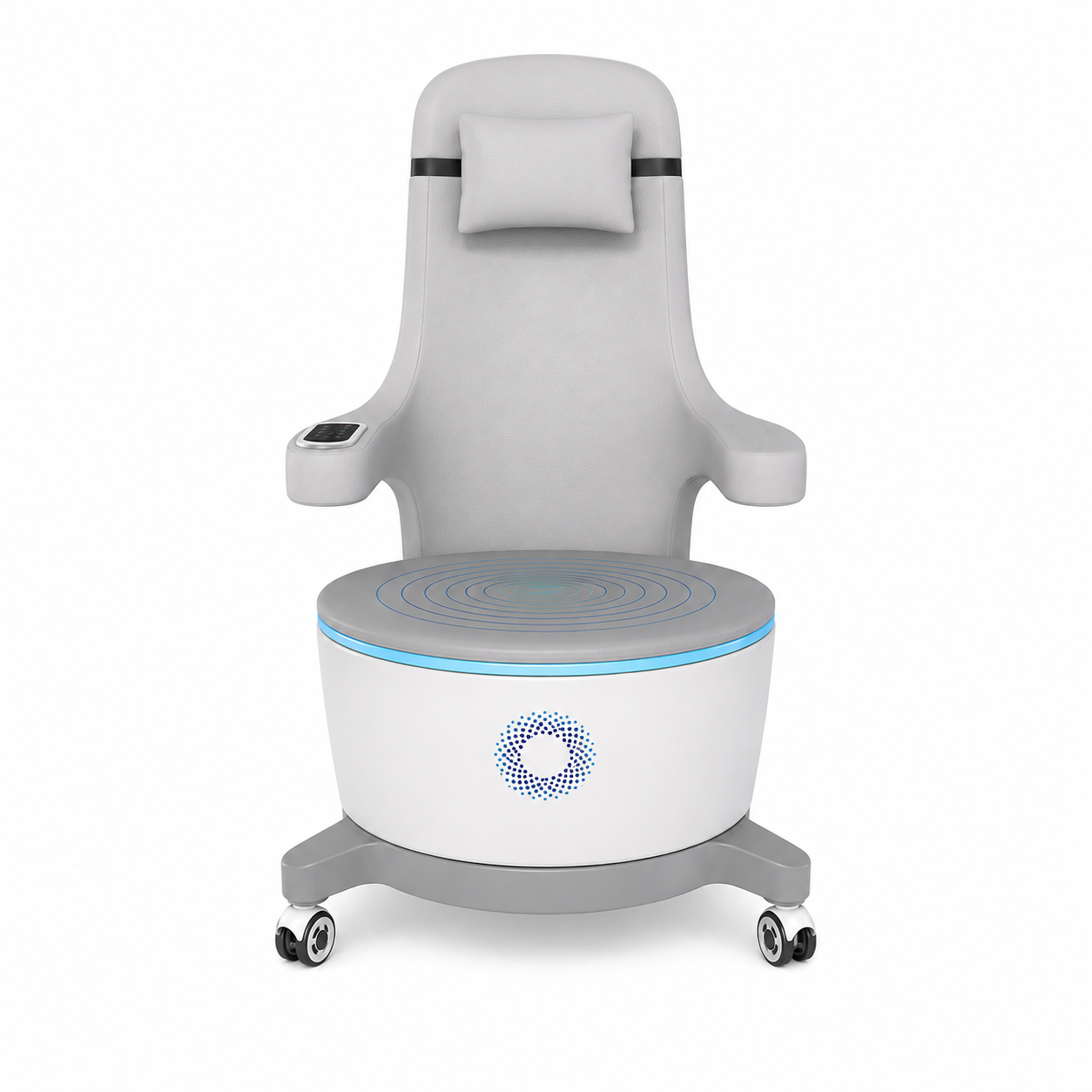
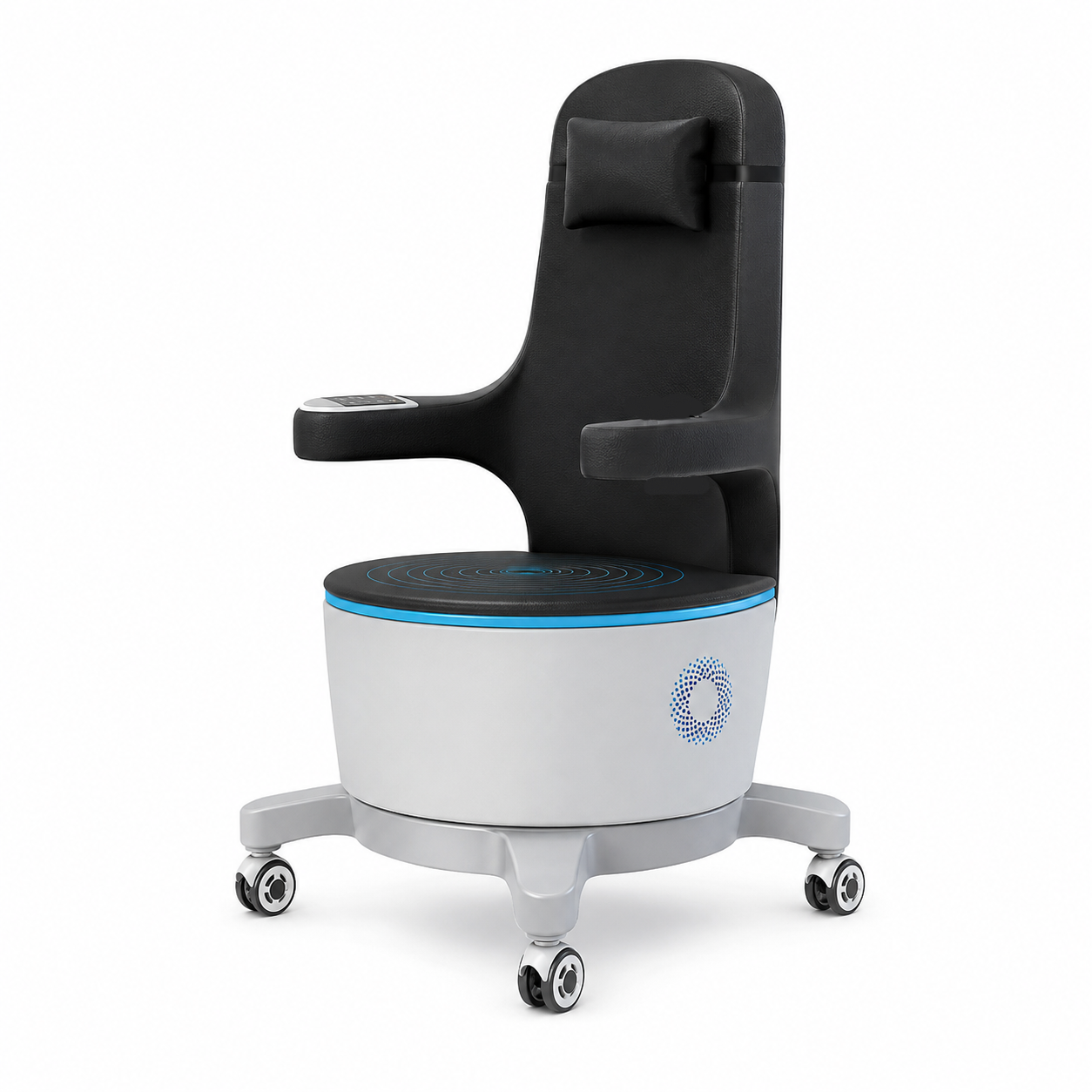
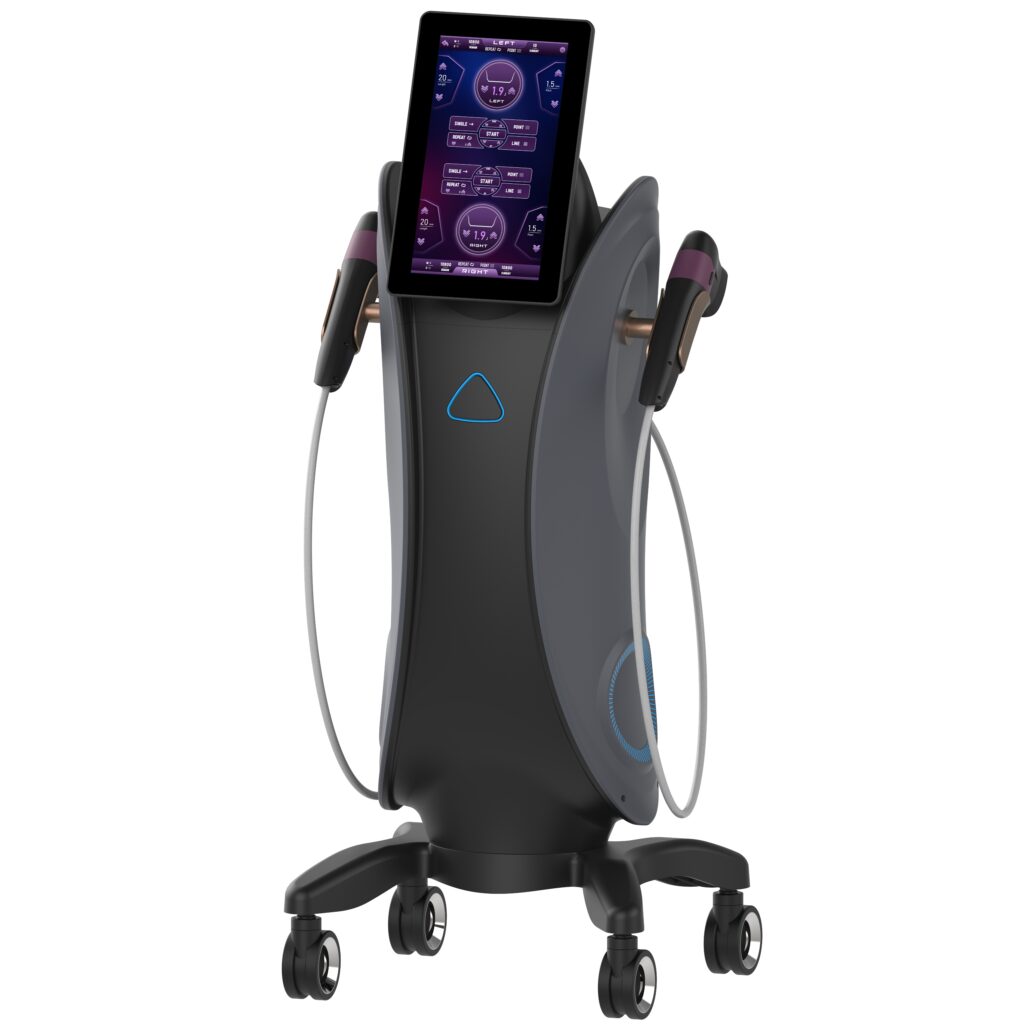
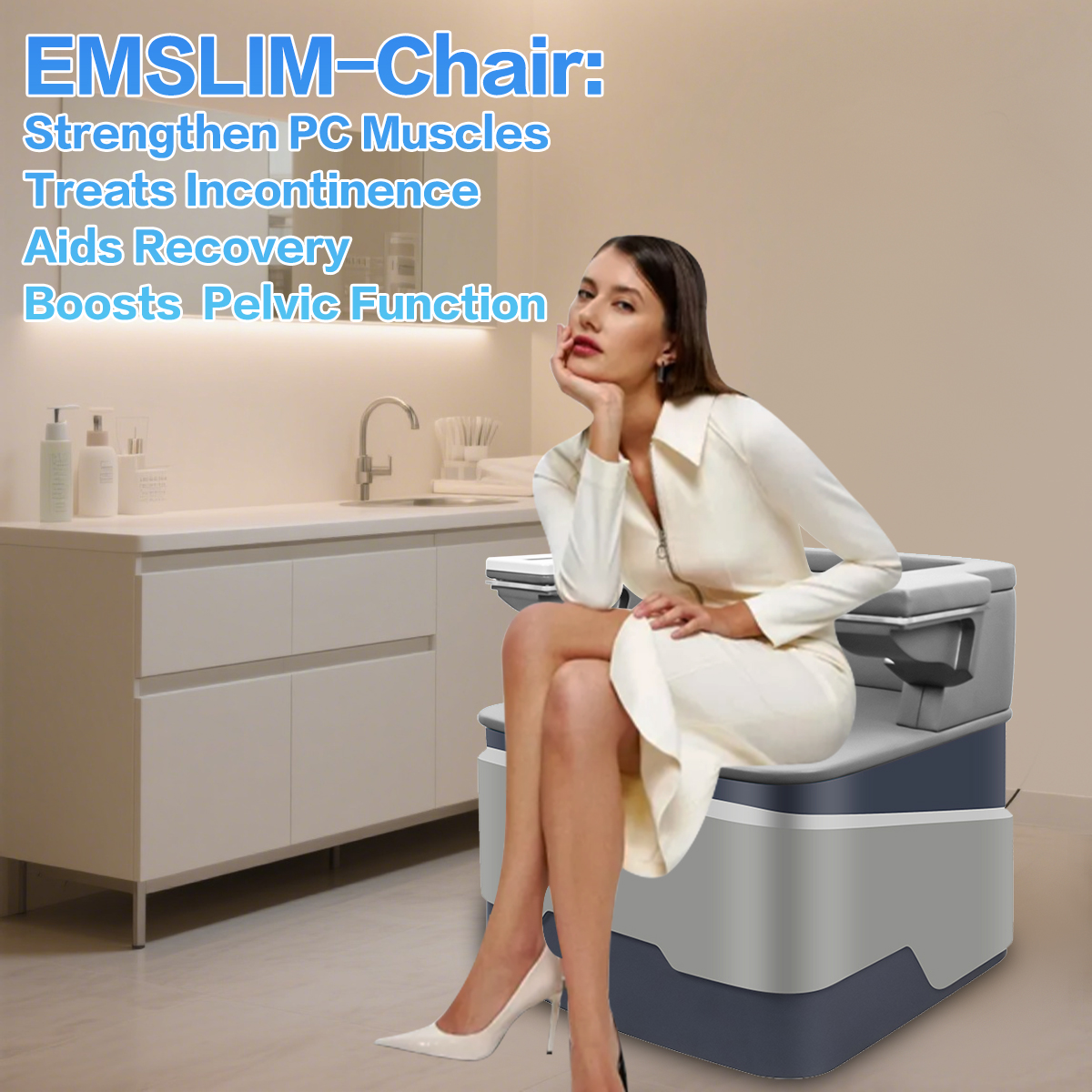
EMS (Electromagnetic Stimulation) chairs stimulate deep pelvic floor muscles using high-intensity electromagnetic waves—without undressing or internal probes.
Benefits of EMS Pelvic Floor Stimulation
Thousands of muscle contractions per session
No effort required
Clinically proven results
Advanced EMS Pelvic Floor Chairs
Postpartum Repair EMS Chair
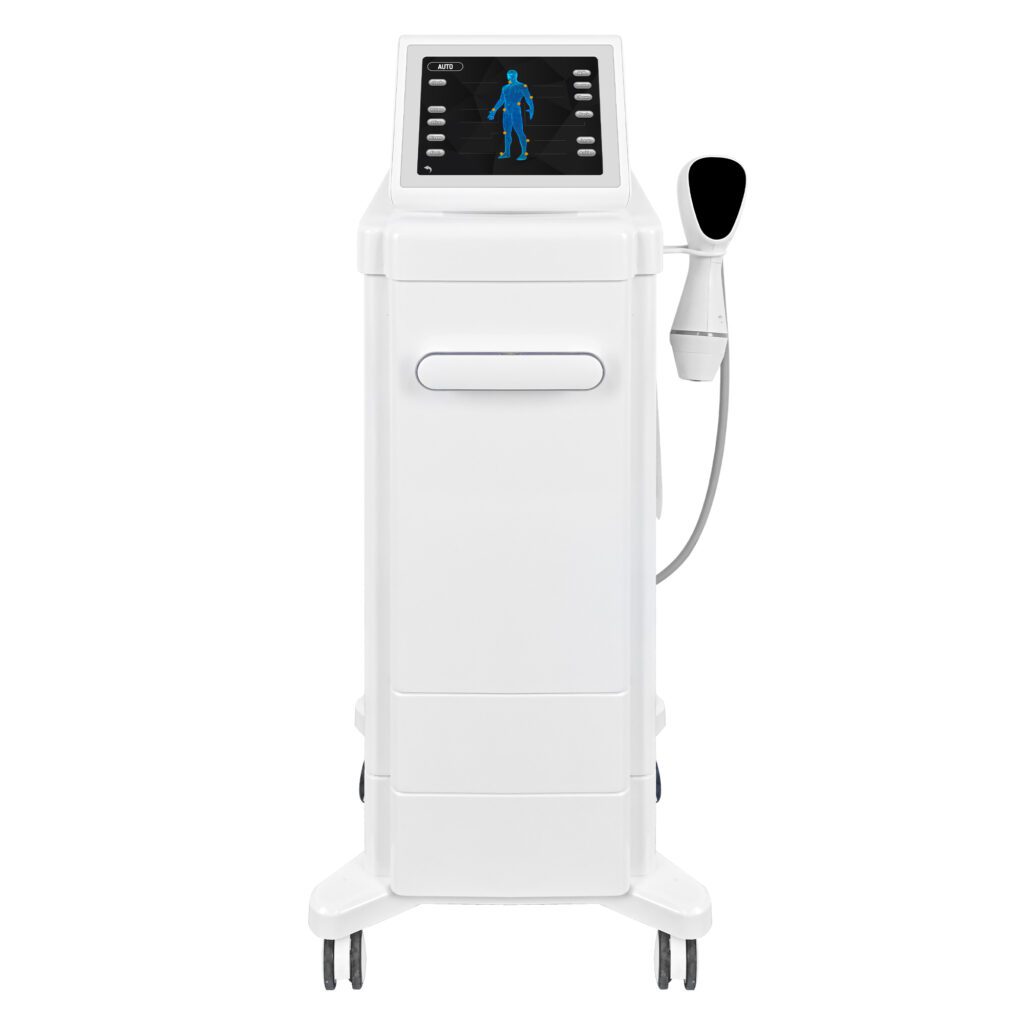
The E0435 Women’s Postpartum Repair EMS Pelvic Floor Chair is designed specifically for postpartum recovery. It helps restore muscle tone, improve tightness, and enhance overall pelvic health—perfect for new moms who want results without downtime.
Electromagnetic Stimulation Rehabilitation Chair
The E0436 Electromagnetic Stimulation Pelvic Floor Rehabilitation EMS Chair offers advanced muscle rehabilitation for women experiencing laxity, incontinence, or reduced sensation. It’s widely used in clinics and wellness centers worldwide.
Comparing EMS Therapy vs Traditional Exercises
Efficiency and Results
One EMS session equals thousands of Kegels—done perfectly.
Time and Convenience
Just sit fully clothed and relax. No guessing if you’re “doing it right.”
Who Can Benefit Most from EMS Pelvic Floor Therapy?
Postpartum Women
Restore strength faster and more effectively.
Aging Women
Combat hormonal muscle weakening.
Women with Sedentary Lifestyles
Counteract prolonged sitting and muscle inactivity.
Safety, Comfort, and What to Expect
Is EMS Safe?
Yes. EMS pelvic floor therapy is non-invasive, painless, and FDA-cleared for muscle rehabilitation.
What a Session Feels Like
A gentle pulsing sensation—strange at first, relaxing later.
How Long Does It Take to See Results?
Short-Term Improvements
Some women notice changes after just a few sessions.
Long-Term Pelvic Health
Full treatment courses deliver lasting muscle tone and confidence.
Emotional and Psychological Benefits
Confidence Boost
Feeling stronger internally changes how you carry yourself.
Improved Quality of Life
Better bladder control, intimacy, and comfort—what’s not to love?
Choosing the Right Solution for You
Factors to Consider
Severity of laxity
Time availability
Desired speed of results
Professional Guidance
Consult a healthcare or wellness professional for personalized advice.
Conclusion
A saggy vag is more common than you think—and absolutely manageable. From lifestyle changes to cutting-edge EMS technology, you have options that are safe, effective, and empowering. If you’re ready to take control of your pelvic health without surgery, modern EMS pelvic floor chairs offer a smart, proven solution.
Your body deserves care, confidence, and strength—inside and out.
FAQs
1. Is vaginal looseness permanent?
No. With proper muscle strengthening, significant improvement is possible.
2. Are Kegels enough on their own?
They help, but many women see faster results with EMS therapy.
3. Is EMS therapy painful?
Not at all. Most users describe it as comfortable and relaxing.
4. Can EMS help with urinary incontinence?
Yes, strengthening pelvic muscles improves bladder control.
5. How often should EMS treatments be done?
Typically 2–3 sessions per week, depending on individual needs.