Women’s Postpartum Repair EMS Chair – Complete Guide
Introduction to Postpartum Pelvic Floor Recovery
Bringing a baby into the world is a beautiful journey, but let’s be honest—your body goes through a lot. One area that often gets overlooked is pelvic floor health. These muscles support the bladder, uterus, and bowel, and when they weaken after childbirth, daily life can feel suddenly different.
Why pelvic floor health matters
A strong pelvic floor helps control bladder function, improves posture, and enhances overall core stability. After childbirth, these muscles can become stretched or weakened, leading to leaks, discomfort, or decreased sexual satisfaction.
Common postpartum challenges women face
Urinary incontinence
Reduced pelvic tightness
Lower back pain
Reduced sensation
The growing role of EMS technology in recovery
Electromagnetic stimulation (EMS) has quickly become one of the most effective solutions for postpartum pelvic strengthening—because it works without effort and delivers deeper contractions than Kegels ever could.
What Is the Women’s Postpartum Repair EMS Chair?
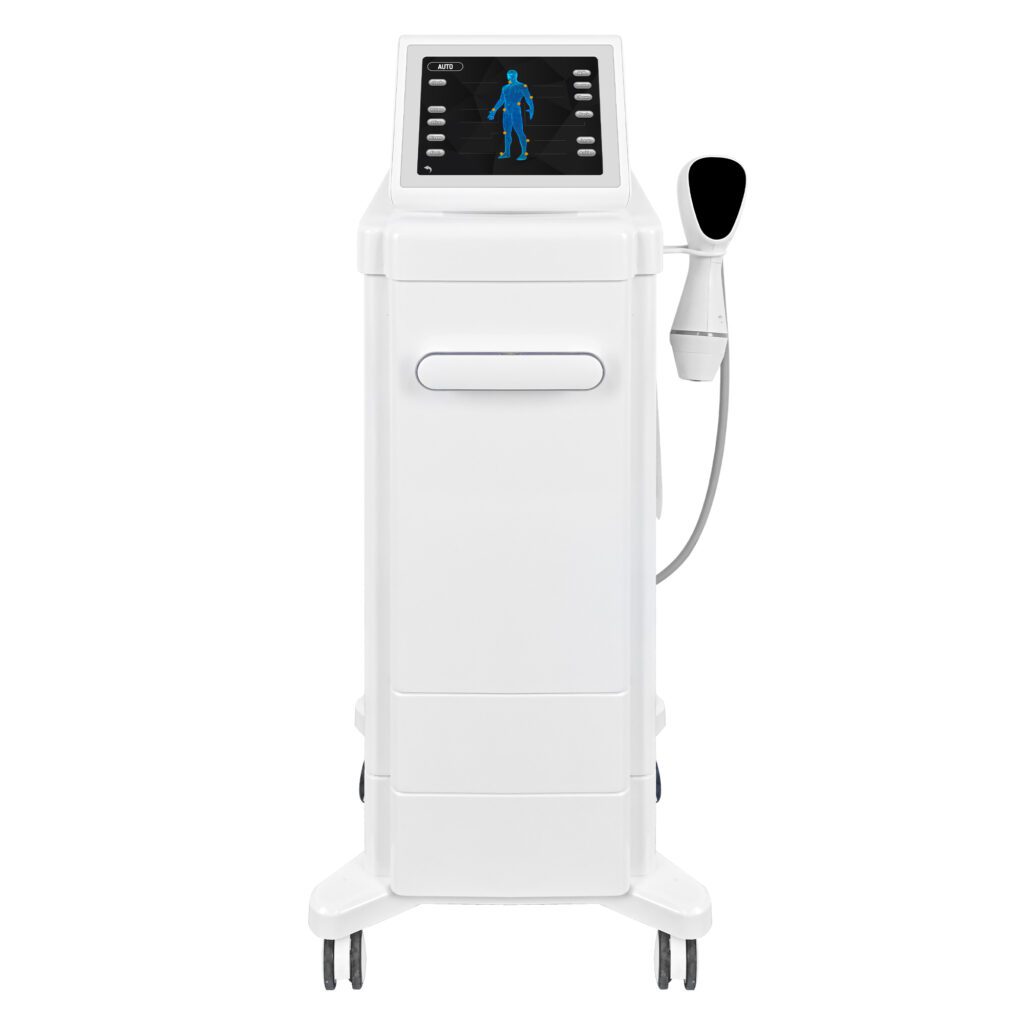
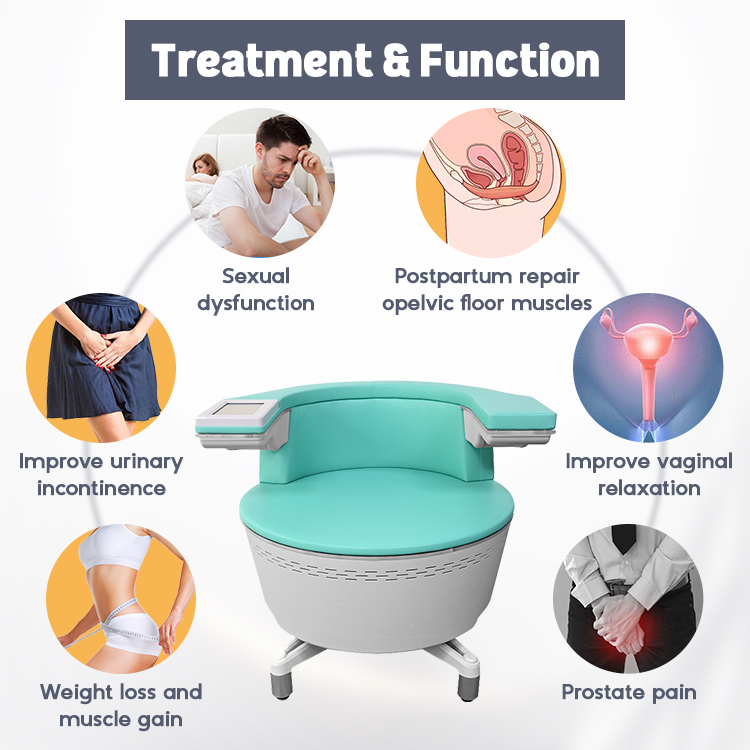
The SHEFMON E0435 Women’s Postpartum Repair EMS Chair is a non-invasive pelvic floor rehabilitation machine designed to strengthen pelvic muscles through high-intensity electromagnetic stimulation.
Overview of the SHEFMON E0435 EMS chair
This chair offers a simple yet highly effective experience: you sit down fully clothed, and the electromagnetic field stimulates pelvic floor muscles thousands of times during each session.
How electromagnetic stimulation works
Using focused electromagnetic waves, the chair triggers supramaximal contractions, meaning these contractions are much stronger than what you can achieve voluntarily.
Who can benefit from this device?
New mothers recovering from childbirth
Women experiencing urinary incontinence
Patients with weak pelvic floor muscles
Women seeking improved intimate wellness
How EMS Pelvic Floor Chairs Work
The science behind high-intensity electromagnetic waves
The machine emits pulses that penetrate deep into pelvic muscles, causing rapid contractions that strengthen and tighten the pelvic floor.
Supramaximal contractions explained
While normal Kegel exercises activate only a small portion of pelvic muscles, EMS chairs stimulate 100% of muscle fibers, promoting faster recovery.
Comparing EMS chairs to traditional Kegel training
Most women struggle to perform Kegels correctly, but EMS chairs do the work automatically—no effort, no strain.
Key Features of the SHEFMON E0435 Women’s Postpartum Repair EMS Chair
Non-invasive pelvic floor muscle strengthening
No surgery, no downtime. Simply sit and let the machine handle the work.
Smart energy adjustments
Energy levels can be customized, making it suitable for beginners and advanced users.
Ergonomic seat design for targeted stimulation
The chair’s design ensures electromagnetic pulses hit the exact area where pelvic muscles need strengthening.
Safety features and certifications
SHEFMON equipment undergoes strict testing and quality checks, ensuring safety for every user.
Benefits of Using an EMS Pelvic Floor Chair
Restoring pelvic floor strength
Regular sessions rebuild muscle strength that childbirth often weakens.
Improving postpartum bladder control
Say goodbye to accidental leaks when you sneeze, cough, or laugh.
Enhancing sexual wellness and sensitivity
Stronger pelvic muscles can significantly increase intimate satisfaction.
Pain-free, effort-free muscle activation
Sit, relax, and let the machine deliver thousands of contractions in 30 minutes.
Postpartum Conditions This Machine Helps Improve
Stress urinary incontinence
One of the most common postpartum issues—this machine effectively reduces leakage.
Pelvic organ prolapse (mild cases)
Strengthening pelvic muscles helps support organs and prevent worsening prolapse.
Vaginal laxity
EMS tightens and tones deep pelvic muscles, improving overall firmness.
Core muscle weakness
The pelvic floor is part of the core, so strengthening it enhances stability.
Treatment Process & What to Expect
Duration of sessions
A typical session lasts about 30 minutes.
Sensation during treatment
You’ll feel deep, rhythmic contractions—no pain, just a unique sensation.
Typical results timeline
Most women start noticing improvements within 2–4 sessions.
How many sessions are recommended?
For best results, 6–12 sessions spaced 2–3 times weekly are recommended.
Why SHEFMON Is a Trusted EMS Chair Supplier
11+ years in professional beauty equipment manufacturing
With over a decade of experience, SHEFMON supplies advanced beauty and medical devices globally.
OEM & ODM customization options
Logo, system interface, housing color, functional adjustments—everything can be customized.
Global presence in 200+ countries
SHEFMON equipment is used by clinics, hospitals, spas, and distributors worldwide.
Strong quality control and after-sales support
Products go through rigorous testing before shipment, ensuring reliability and safety.
EMS Chair vs. Other Pelvic Floor Recovery Devices
EMS vs. Kegels
EMS delivers deeper contractions than manual Kegels.
EMS vs. electrical stimulation devices
Electrical devices cannot penetrate as deep as electromagnetic technology.
EMS vs. surgery or invasive procedures
EMS is safer, painless, requires no downtime, and offers noticeable improvements.
Technical Specifications of the SHEFMON E0435
Power output
High-intensity electromagnetic pulses for deep muscle penetration.
Intensity levels
Adjustable settings for beginners to advanced users.
Electromagnetic frequency
Optimized for pelvic floor rehabilitation.
Seat dimensions & design material
Comfortable, durable, and ergonomically designed.
Who Should Not Use an EMS Pelvic Floor Chair? (Contraindications)
Pregnancy
Pregnant women should avoid EMS treatment.
Metal implants or IUD considerations
Consult a doctor if you have metal implants or certain IUDs.
Severe pelvic disorders
Women with active infections or severe prolapse should seek medical advice.
Cardiovascular or neurological conditions
Those with pacemakers or severe nerve disorders should avoid EMS treatment.
How Clinics and Gynecology Centers Use the E0435 EMS Chair
Wellness clinics
An excellent addition for postpartum recovery services.
Physiotherapy centers
Ideal for strengthening core stability and pelvic muscles.
Women’s health hospitals
Used as part of postpartum rehabilitation programs.
Home-based use
Easy to operate and suitable for private, home-based therapy.
Maintenance & Care Tips for Longevity
Cleaning guidelines
Wipe with medical-grade disinfectant after each session.
Device storage
Keep in a dry, cool place away from dust.
Professional servicing timeline
Annual servicing ensures long-term performance.
Where to Buy the SHEFMON E0435 EMS Pelvic Floor Chair
Official product link
OEM & ODM customization steps
Contact SHEFMON
Share customization needs
Approve design
Production begins
Delivery worldwide
Worldwide shipping options
Fast global delivery and professional packaging ensure safe arrival.
Conclusion
The SHEFMON E0435 Women’s Postpartum Repair EMS Chair is an advanced, non-invasive, and highly effective solution for postpartum pelvic floor recovery. Whether you’re a new mom dealing with urinary leaks or a clinic offering women’s health services, this EMS chair delivers professional-grade results with zero discomfort. Its ability to strengthen pelvic muscles using supramaximal contractions makes it one of the most powerful pelvic rehabilitation tools available today.
FAQs
1. Is the EMS pelvic floor chair safe?
Yes, it’s non-invasive and safe for most women. Always check contraindications.
2. How soon can I use it after childbirth?
Most women begin 6–8 weeks postpartum, but consult your doctor first.
3. Can I use the chair while wearing clothes?
Yes, treatment is performed fully clothed.
4. Does it hurt?
No, it delivers strong contractions but no pain.
5. How long do results last?
With proper maintenance and occasional follow-up sessions, results can last long-term.