










Introduction
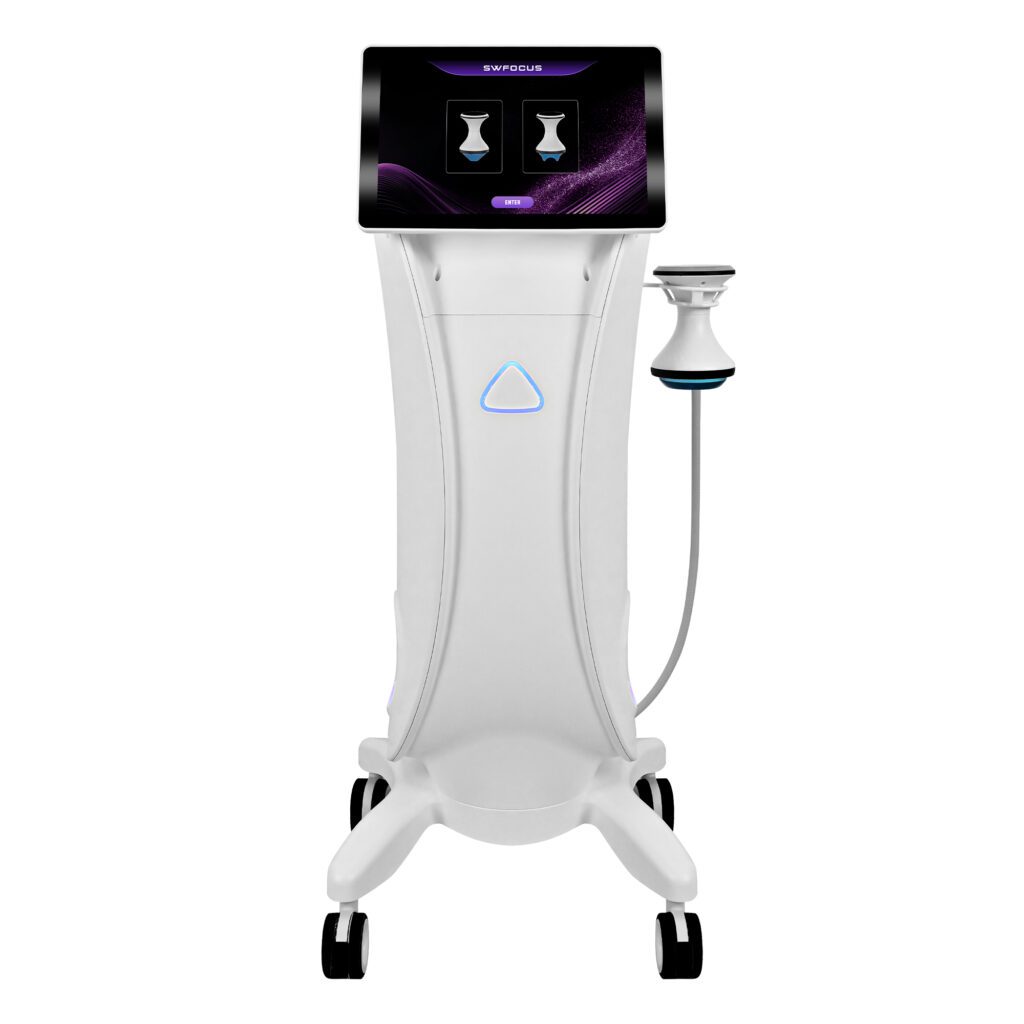
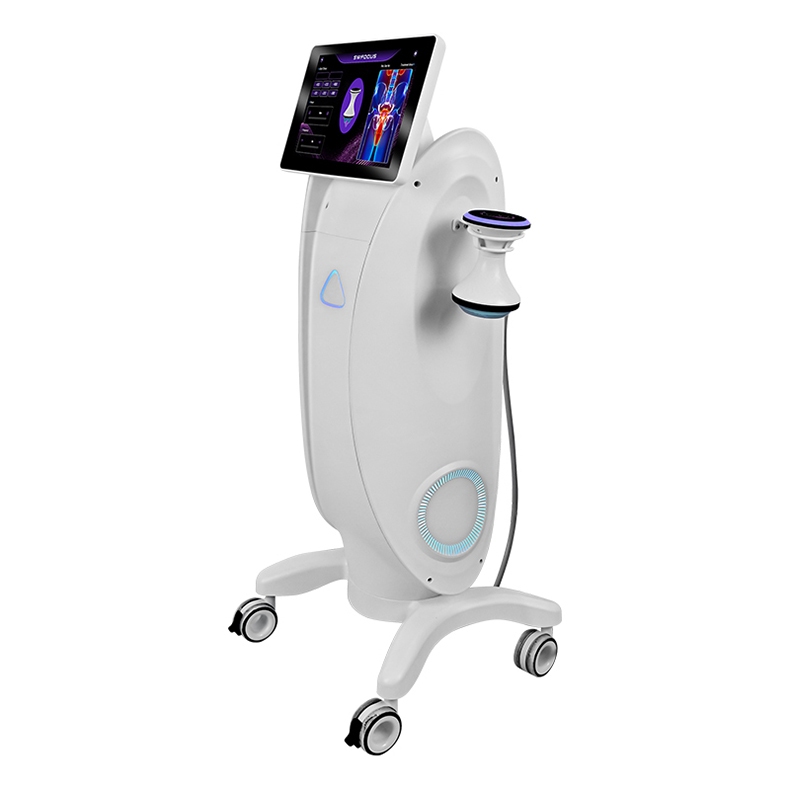
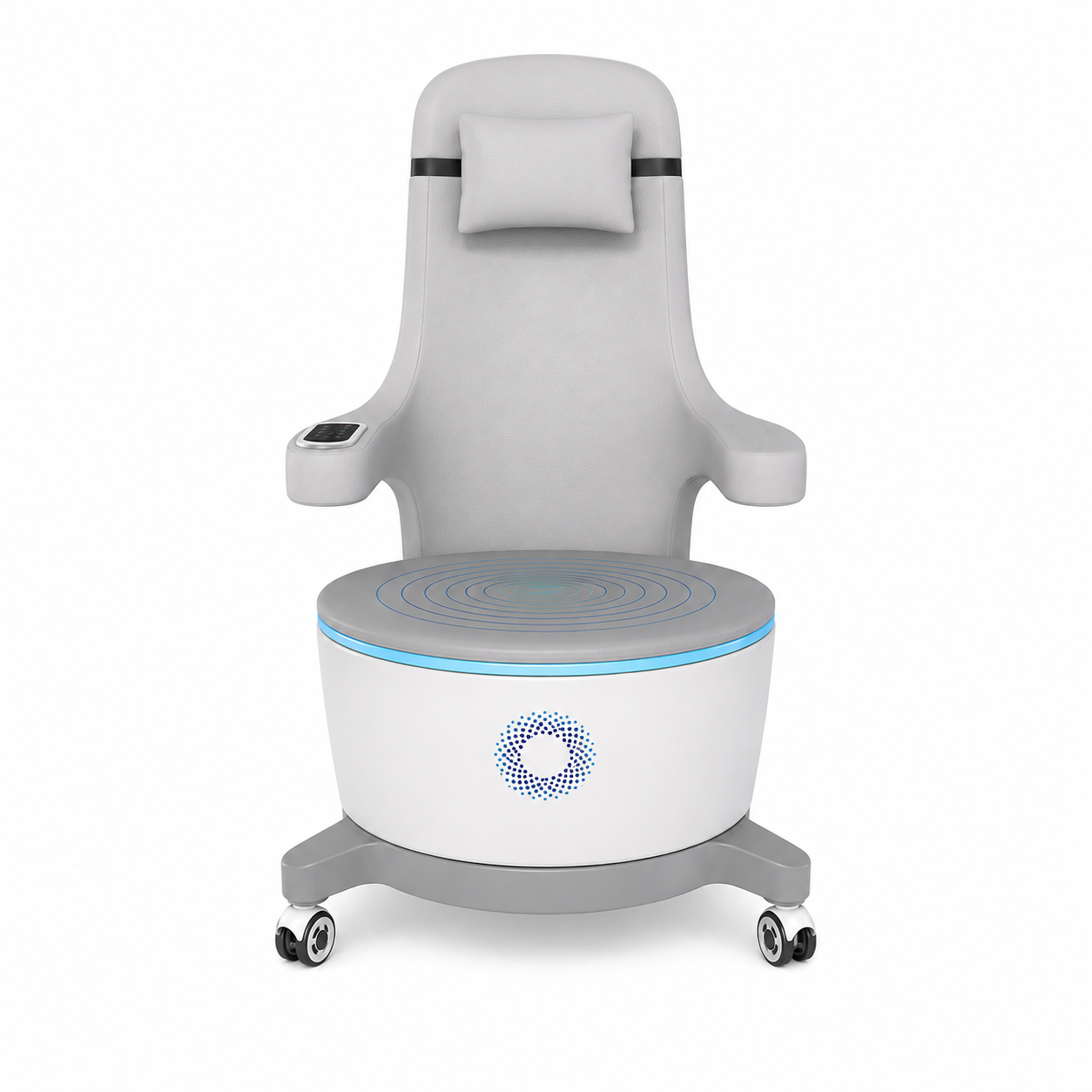
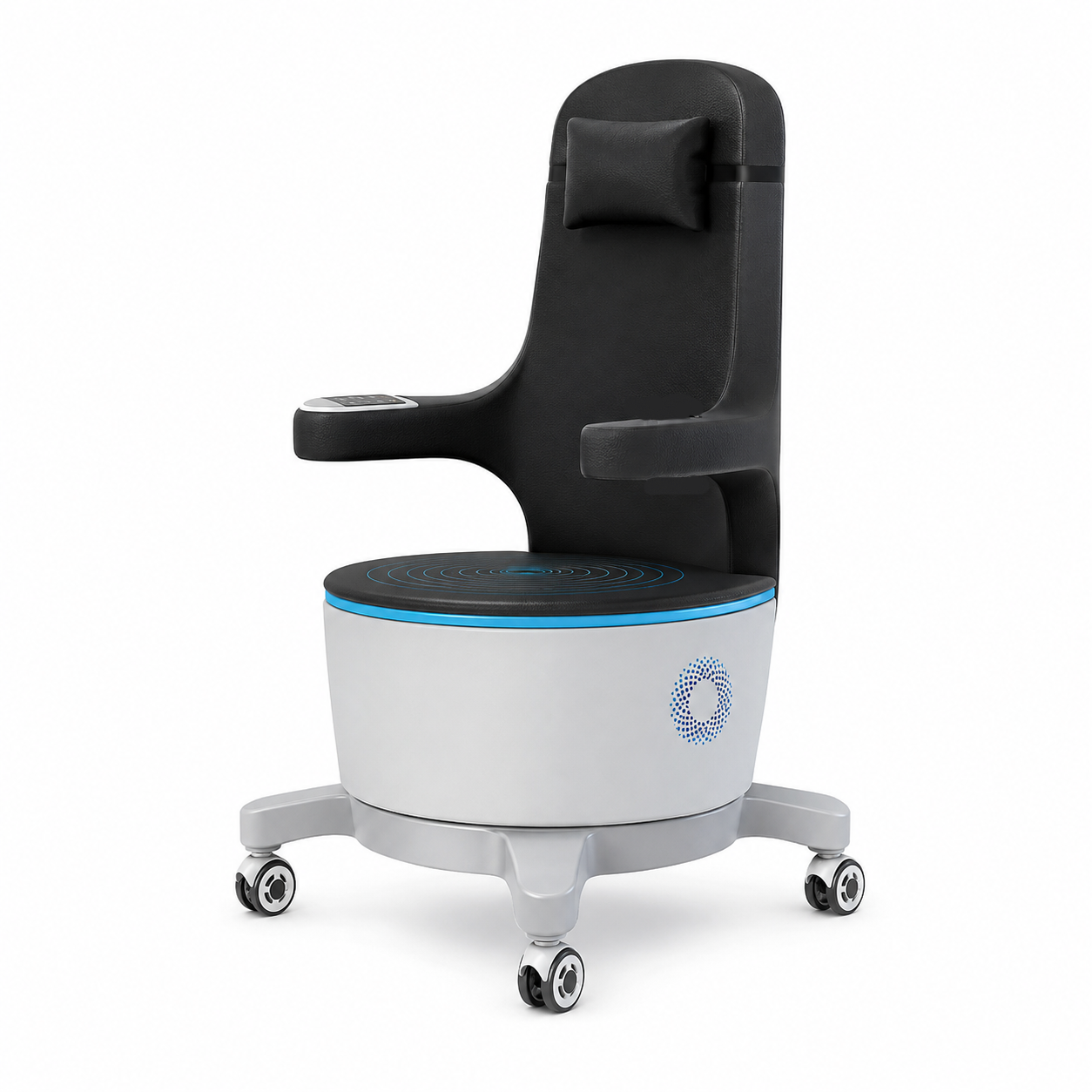
Have you ever looked at a cosmetic treatment device and thought, “Wow, this looks complicated!” You’re not alone. Many beginners feel intimidated when first encountering beauty machines. But are cosmetic treatment devices really difficult to operate, or is it just a myth? Let’s break it down.
In this article, we’ll explore different types of devices, their user-friendliness, training requirements, safety measures, and tips to make operation simpler. Whether you’re a beauty professional or a home user, this guide will help you gain confidence in handling cosmetic devices.
Types of Cosmetic Treatment Devices
Skin Tightening Devices
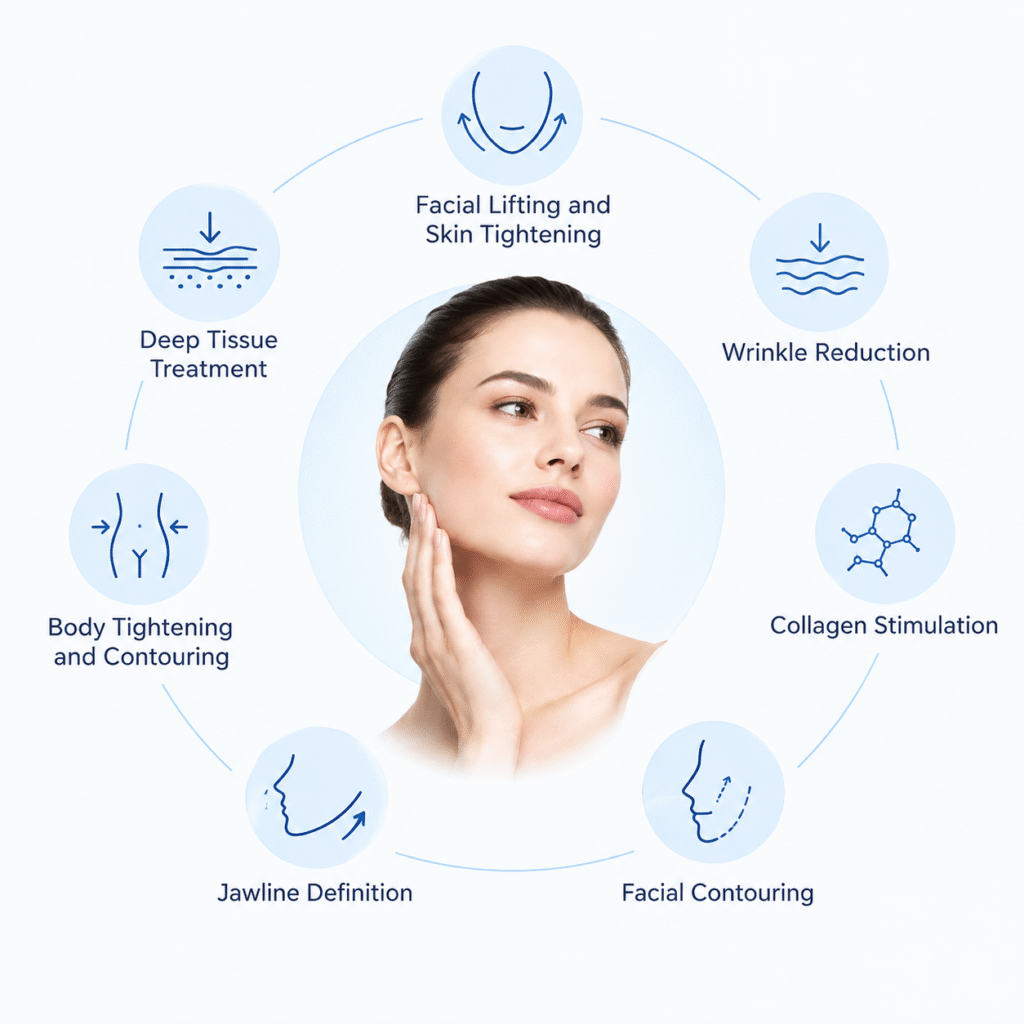
These include HIFU (High-Intensity Focused Ultrasound) and RF (Radio Frequency) machines. They work by stimulating collagen production and require precise settings for depth and intensity.
Laser Hair Removal Machines
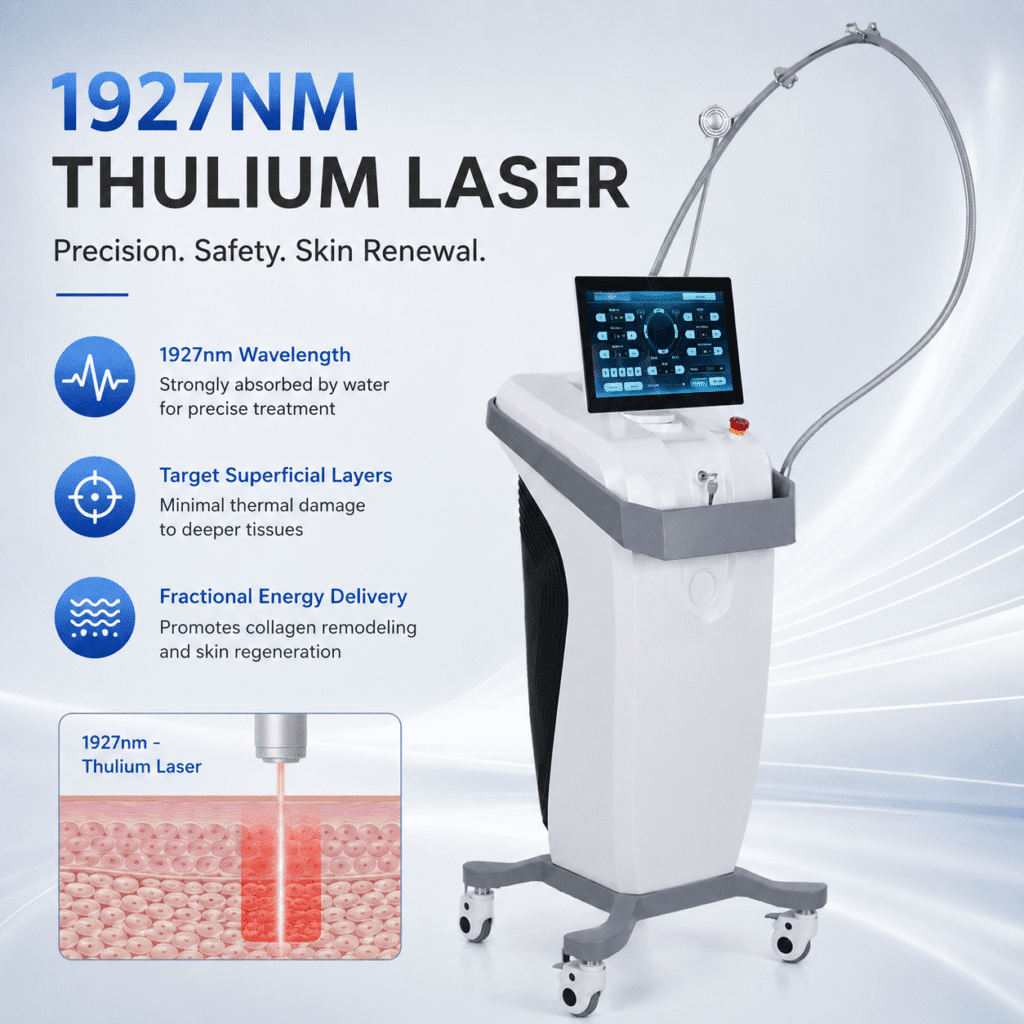
Laser devices target hair follicles to reduce growth. They often have adjustable energy levels, skin type settings, and require understanding safety protocols to avoid burns.
Fat Reduction Devices
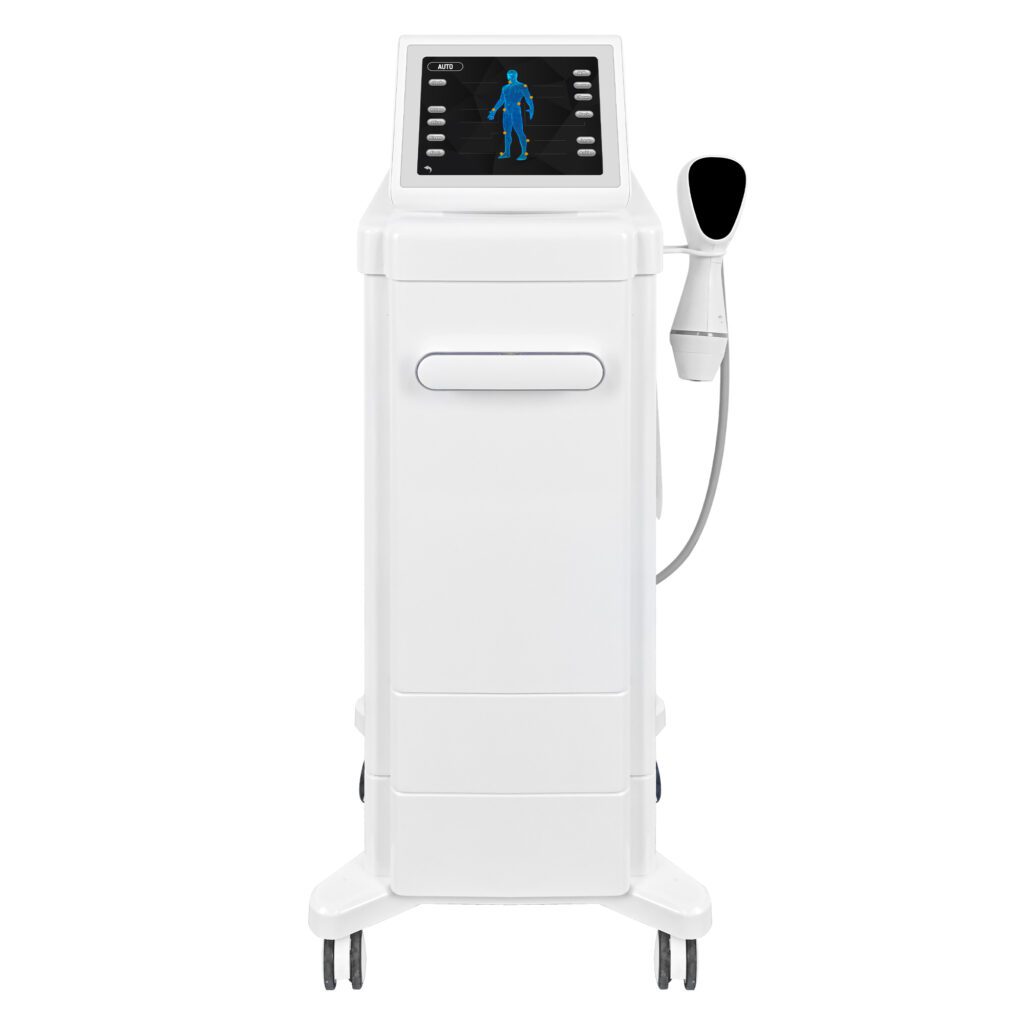
Cryolipolysis machines (fat freezing) and EMS slimming devices are designed for body contouring. Proper placement, timing, and temperature control are key for effective treatment.
Multi-functional Beauty Devices
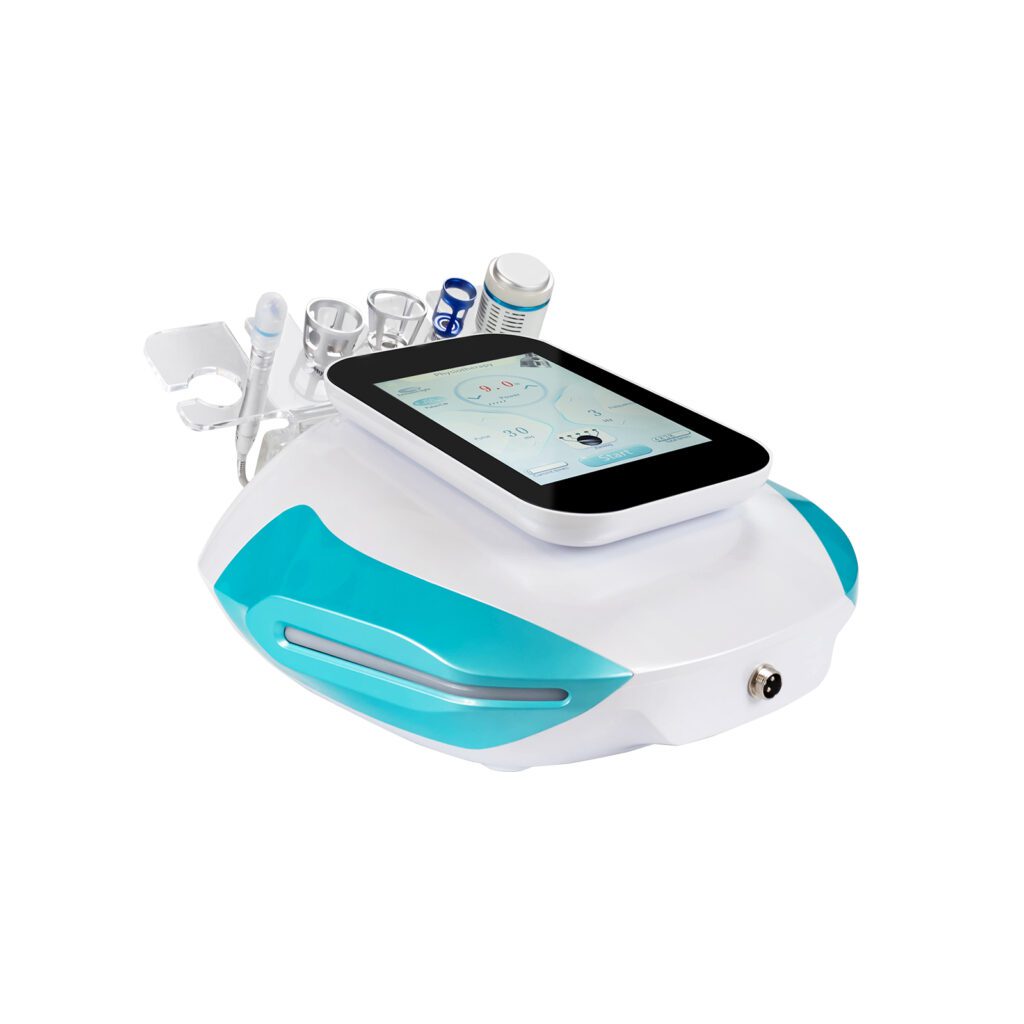
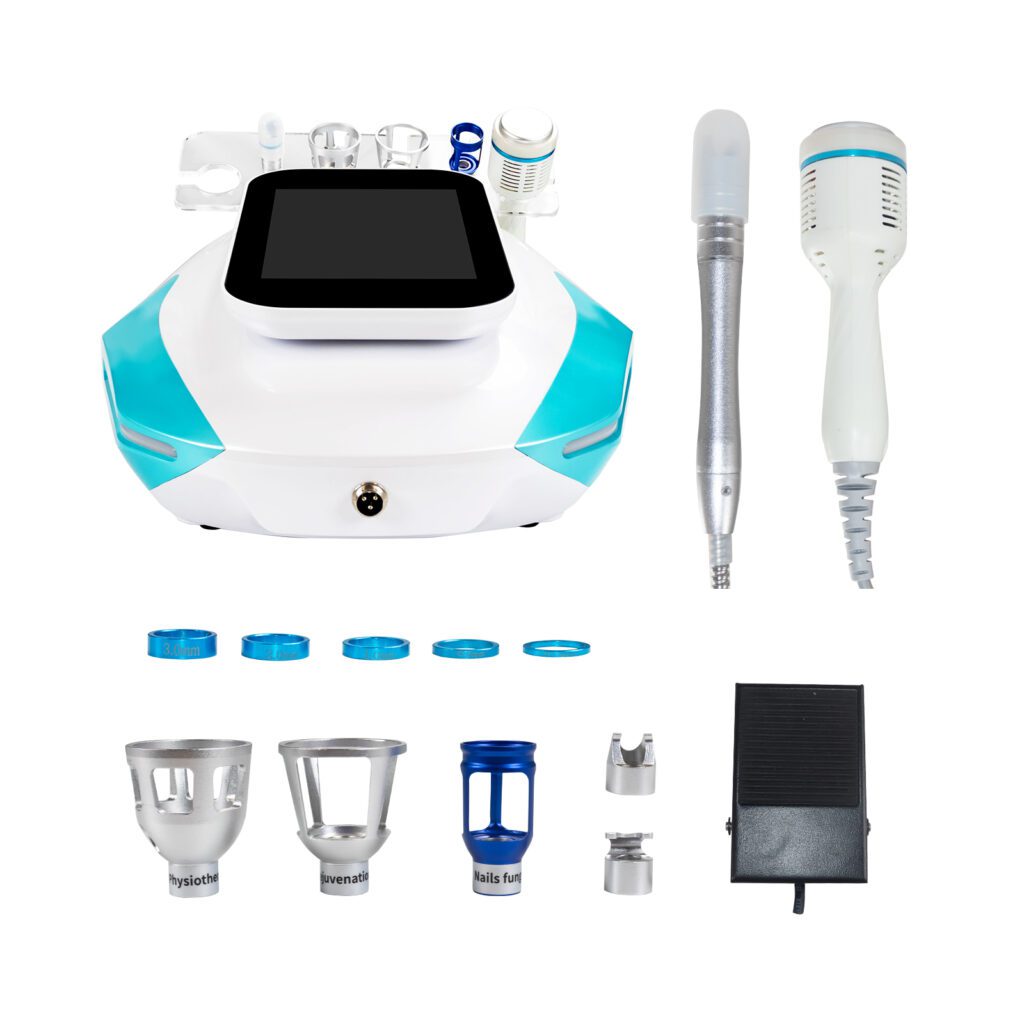
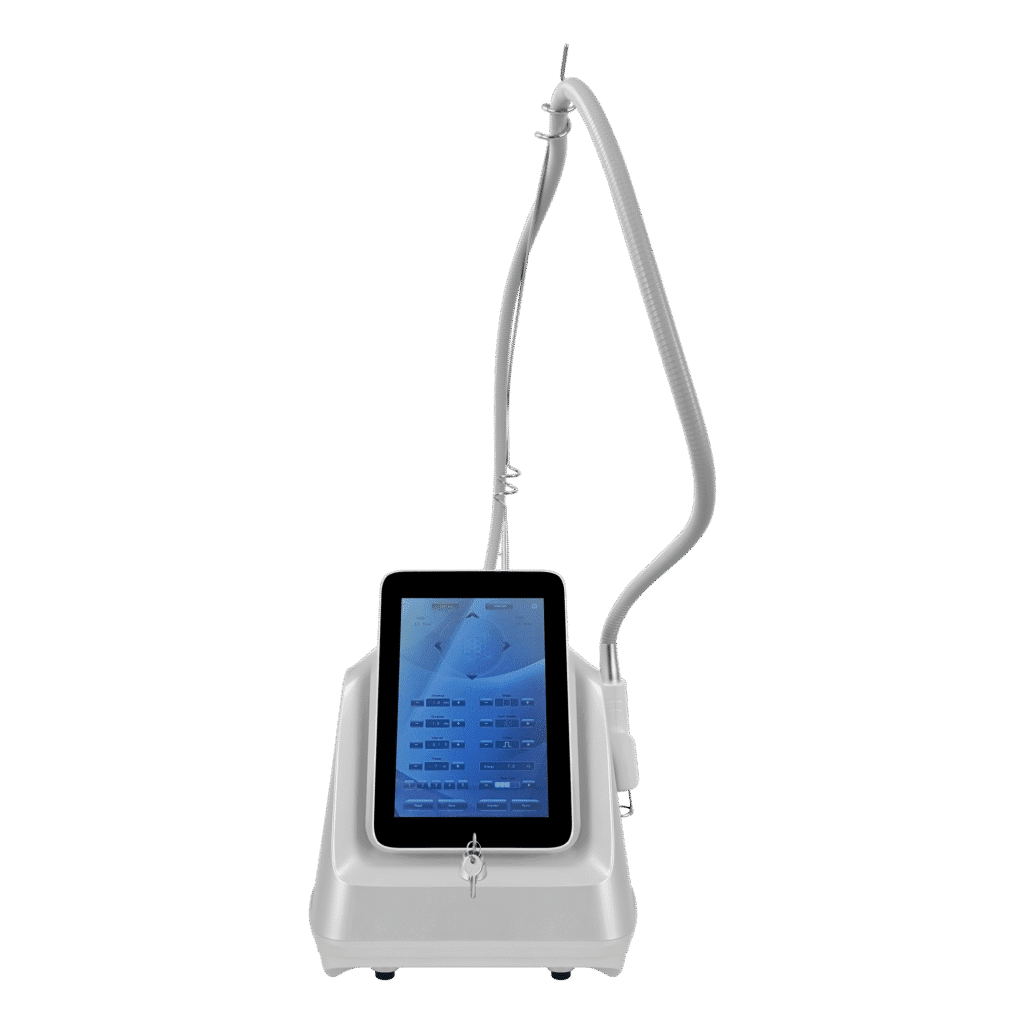
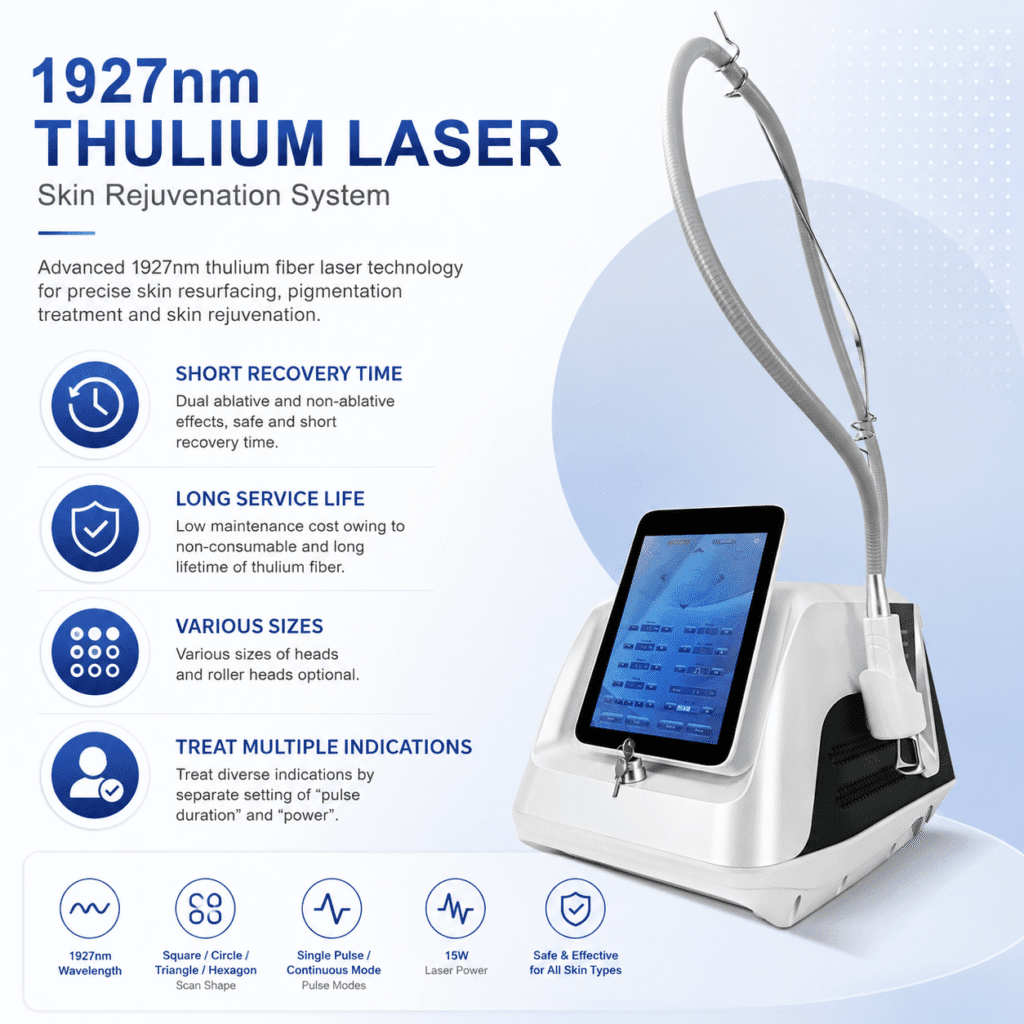
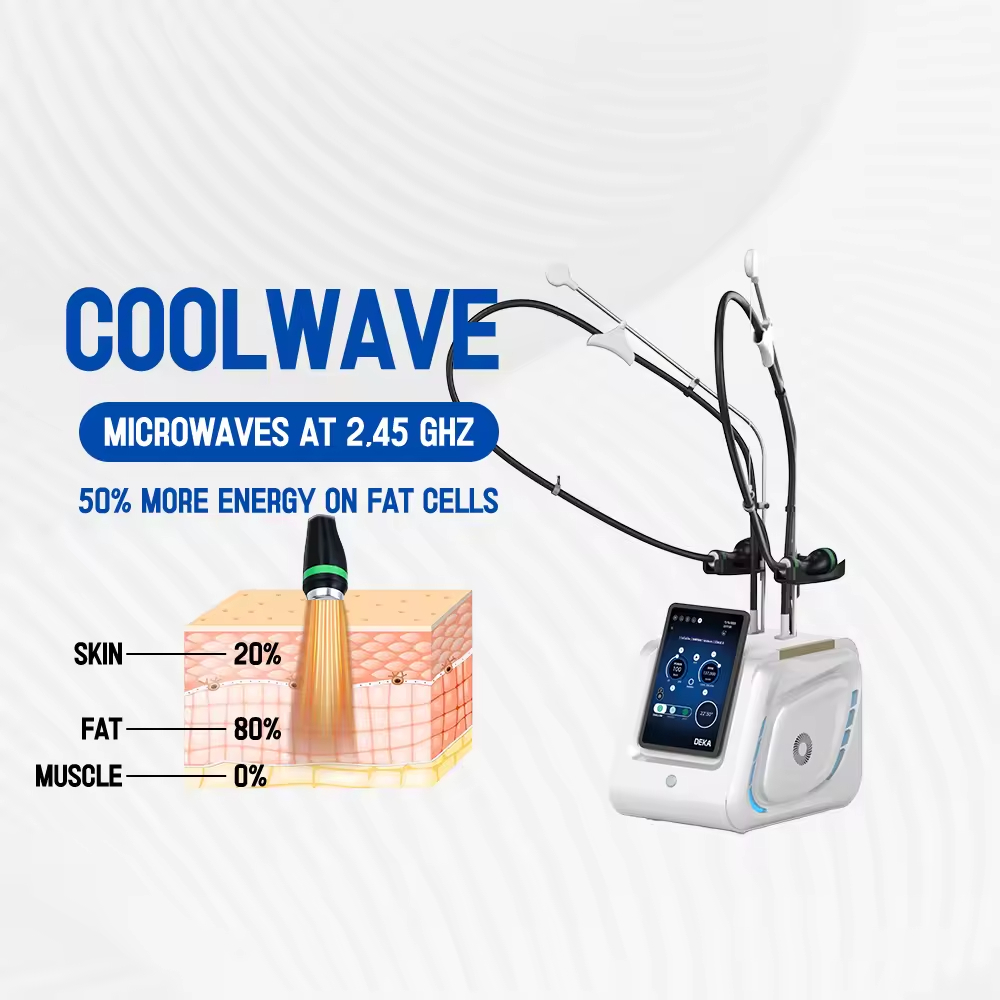
Some devices combine features like skin rejuvenation, hair removal, and tightening in one machine. While versatile, they can seem complex because of multiple modes.
Common Features Across Devices
Touchscreen Controls
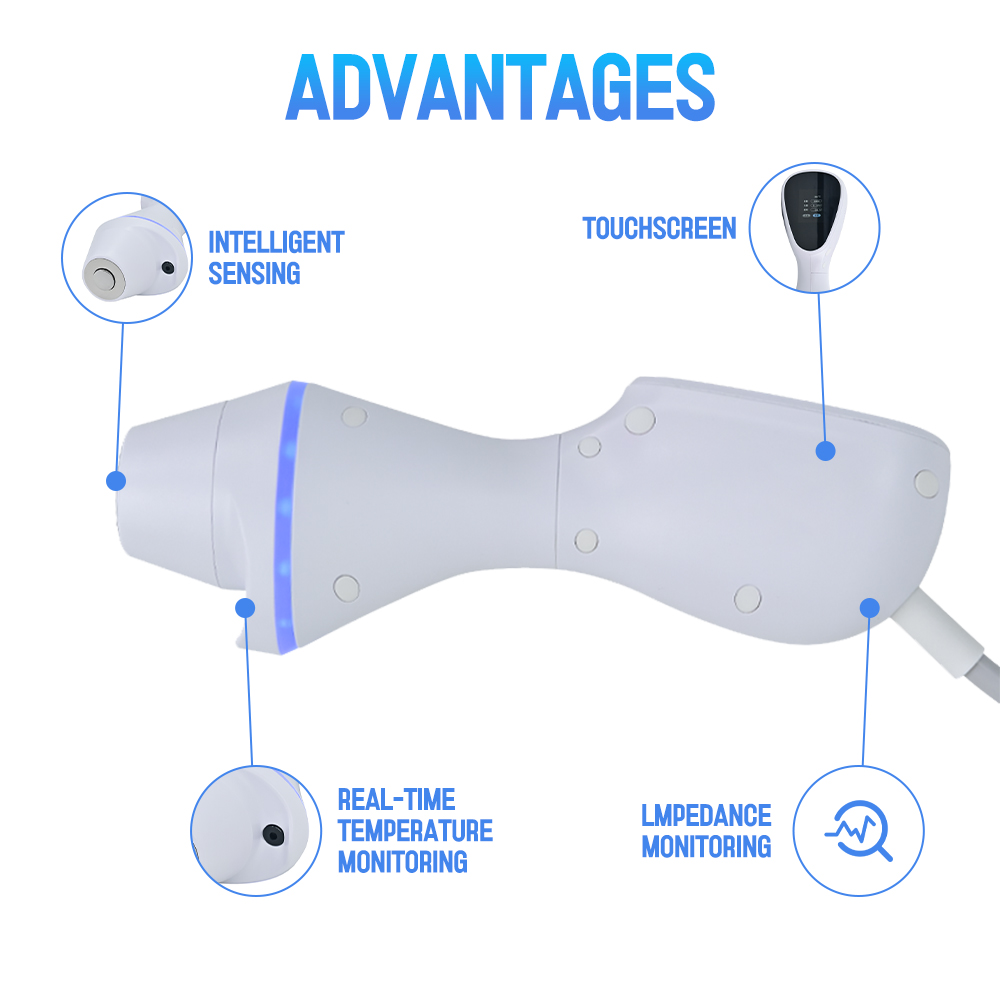
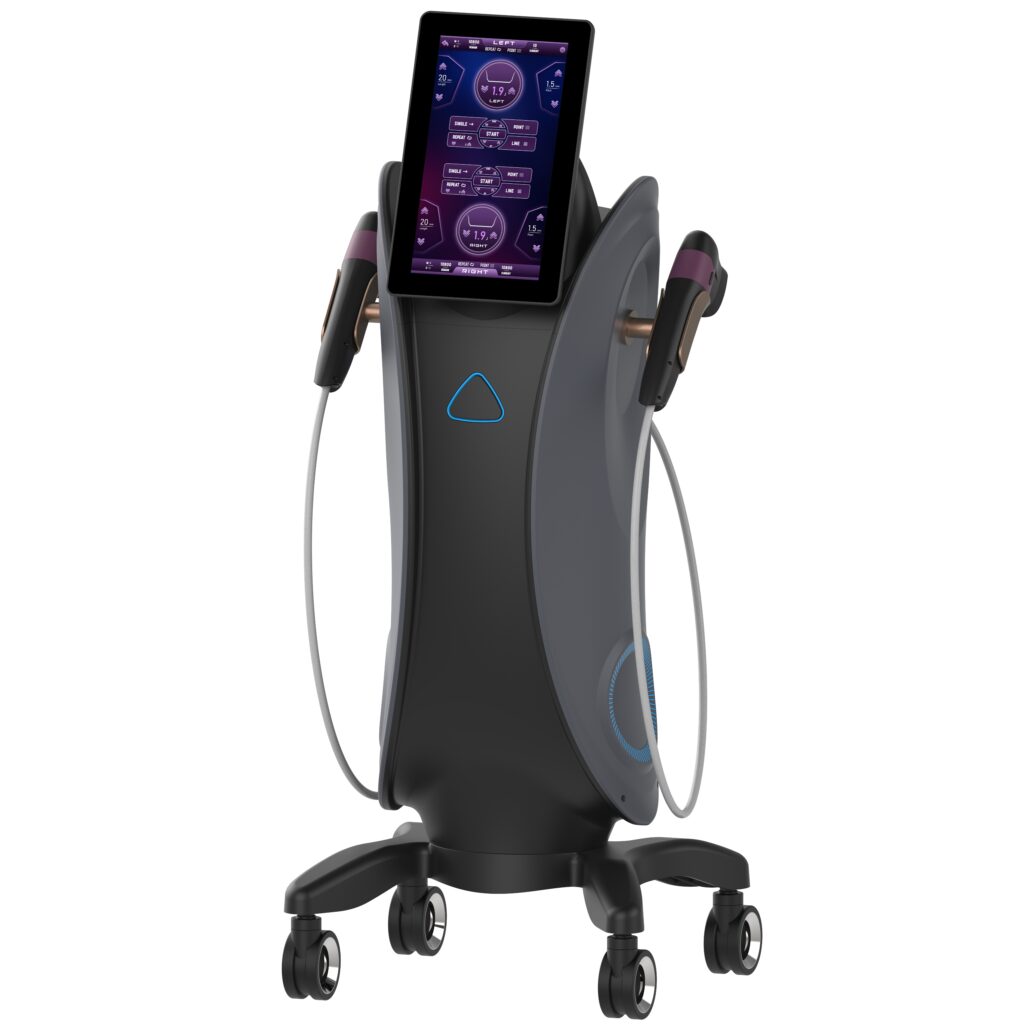
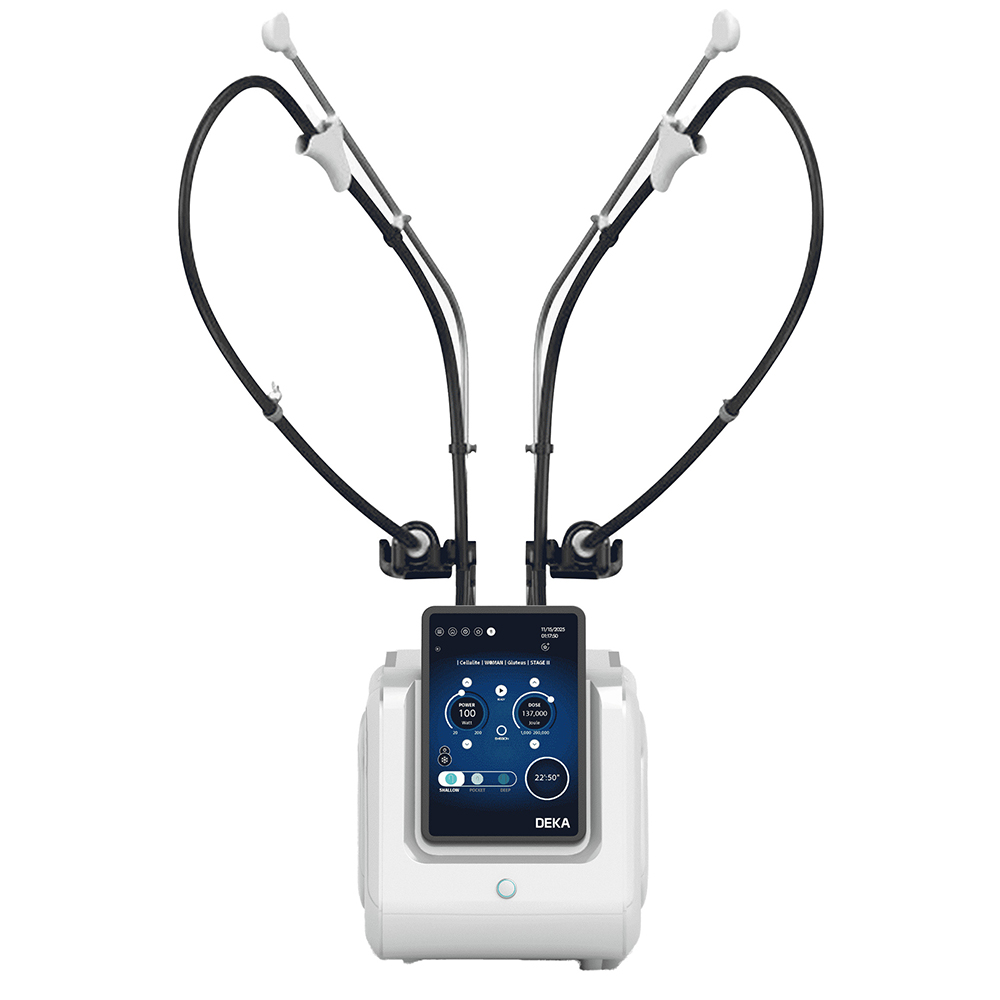
Most modern devices use touchscreens to select modes and adjust settings. This interface is intuitive once you get familiar with icons and menus.
Adjustable Settings
Energy levels, duration, and treatment depth can be customized. These adjustments ensure safety and effectiveness but require careful attention.
Safety Mechanisms
Auto shut-off, skin sensors, and temperature monitors are common. These features prevent misuse and protect the user and client.
Factors Affecting Device Difficulty
Complexity of Technology
More advanced machines with multiple functions naturally take longer to master.
User Interface Design
A clean, intuitive interface can make a complicated device feel simple. Poorly designed menus add to the perceived difficulty.
Training Requirements
Devices requiring professional certifications or specialized knowledge can feel intimidating at first.
User Experience Considerations
Professional vs. Home Devices
Professional salon devices often have advanced features, while home-use versions are simplified for easier operation.
Step-by-step Guidance
Many devices come with pre-set programs or manuals that guide the user through each step.
Troubleshooting Tips
Learning common error codes and solutions can prevent frustration and downtime.
Training and Learning Curve
Manufacturer Training Programs
Many companies offer training sessions or webinars for their equipment. These programs reduce mistakes and build confidence.
Online Tutorials and Videos
YouTube tutorials or official training videos help users learn at their own pace.
Hands-on Practice
The more you practice, the easier it becomes. Start with simple procedures before moving to advanced treatments.
Safety Measures and Precautions
Understanding Warnings
Always read safety warnings and follow manufacturer instructions.
Proper Device Handling
Correct grip, placement, and duration are essential for both safety and results.
Avoiding Common Mistakes
Skipping calibration or ignoring safety sensors is a common beginner error. Awareness prevents accidents.
Ease-of-use Features in Modern Devices
Pre-set Treatment Modes
Many devices have pre-programmed modes for beginners. These simplify decision-making and reduce errors.
Intuitive Interfaces
Touchscreens with icons, colors, and step-by-step prompts make operation smooth.
Automated Adjustments
Some devices automatically detect skin type or target area, adjusting energy levels for safety.
Tips for Beginners
Reading the Manual Thoroughly
Even if it seems tedious, the manual is your roadmap to safe and effective operation.
Starting with Simple Procedures
Begin with basic treatments and gradually explore advanced settings.
Asking for Professional Guidance
Consult experienced operators or attend workshops to shorten the learning curve.
Advanced Devices for Experienced Users
Customizable Treatments
Professional-grade machines allow adjustments to intensity, duration, and mode.
Multi-functional Operations
Switching between skin tightening, hair removal, and fat reduction requires understanding each function’s protocol.
Monitoring and Feedback Systems
Advanced devices provide real-time feedback, ensuring precise and effective treatments.
Benefits of Learning Device Operation
Safer Treatments
Understanding device functions minimizes the risk of injury or side effects.
Better Results
Proper operation ensures that treatments are effective and consistent.
Confidence in Handling Equipment
The more familiar you are with the device, the less intimidating it feels.
Misconceptions About Difficulty
Intimidating Appearance
Some machines look complex, but once you learn the functions, they’re straightforward.
Fear of Malfunction
Modern devices have built-in safety systems, reducing the likelihood of errors.
Comparing Professional vs. Home Use
Home devices are often simplified versions of professional machines, making them more beginner-friendly.
Investing in User-Friendly Equipment
Importance of Ergonomics
Comfortable design reduces operator fatigue and makes learning easier.
Simplified Software
Devices with fewer, clearer options are less overwhelming for beginners.
Customer Support and Resources
Reliable support from the manufacturer helps resolve issues quickly.
Case Studies and Real-life Experiences
Salon Professionals
Trained estheticians often master devices quickly due to repeated practice and professional guidance.
Home Users
Beginners find home devices manageable, especially when starting with pre-set modes.
Training Feedback
Feedback from training programs shows that most users feel confident after a few sessions.
Conclusion
So, are cosmetic treatment devices difficult to operate? The answer depends on the device, your experience, and the training you receive. While professional machines may seem intimidating, modern designs, pre-set modes, and proper guidance make them much more approachable. Whether at home or in a salon, anyone can learn to operate these devices safely and effectively with the right tools, training, and patience.
FAQs
Q1: Are cosmetic devices safe for beginners?
Yes, especially if you follow instructions, use pre-set modes, and start with home-use models.
Q2: Can I operate professional devices at home?
It’s possible, but professional devices require training and experience for safe and effective use.
Q3: How long does it take to learn?
Most users feel confident after a few practice sessions or guided training programs.
Q4: Do all devices require training?
Not all, but professional-grade or multi-functional machines benefit from formal training.
Q5: What are the easiest devices to start with?
Home-use laser hair removal, basic RF skin tightening, and single-function fat reduction machines are beginner-friendly.